




BBC Reporter Tries to Confront Musk on Increase in ‘Hateful Content’ – It Doesn’t Go As Planned
A BBC reporter attempted to confront Twitter CEO Elon Musk on hateful content on the platform, but it did not turn out as he had planned. During the interview Tuesday night, Musk asked James Clayton, when he mentioned…
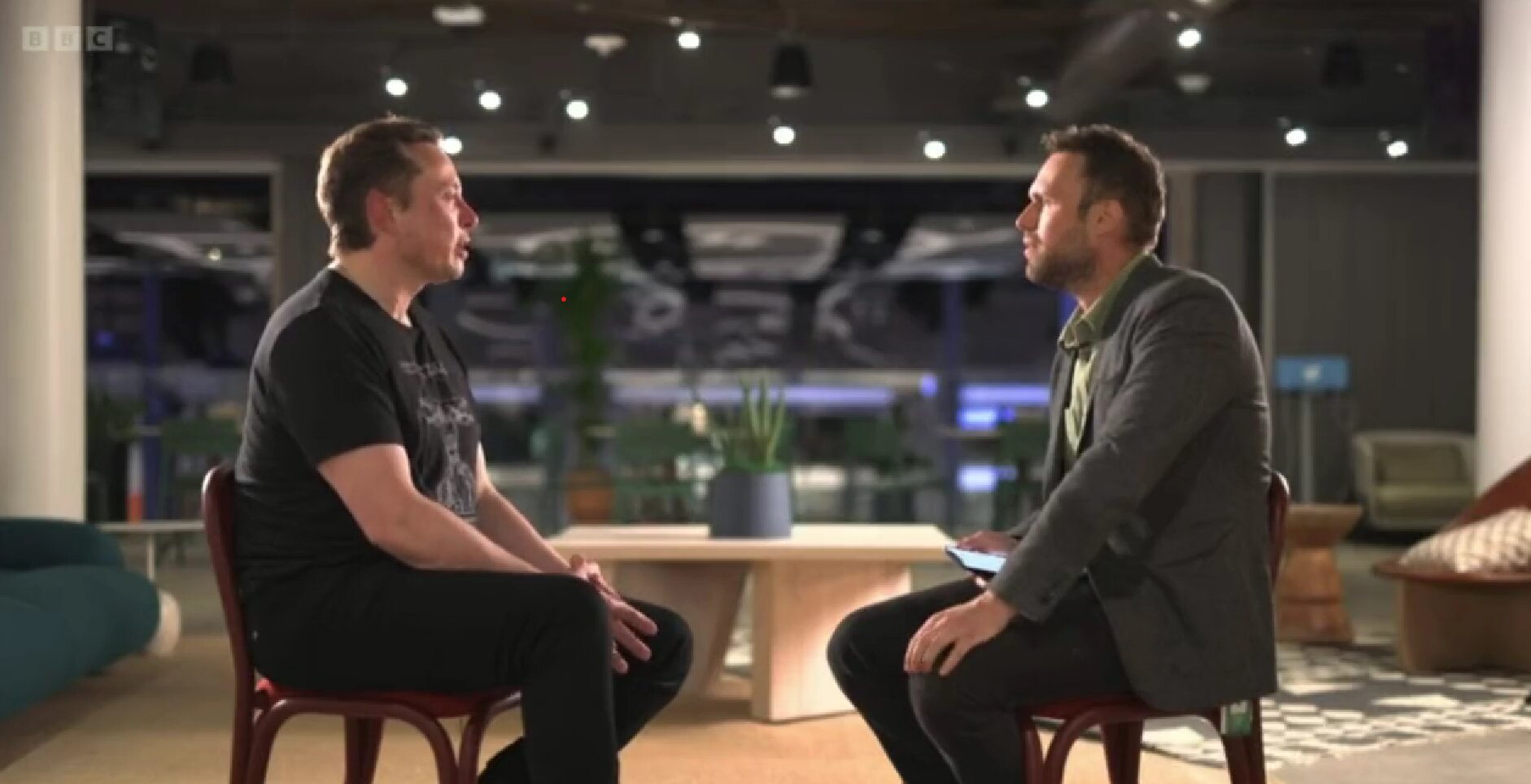
A BBC reporter attempted to confront Twitter CEO Elon Musk on hateful content on the platform, but it did not turn out as he had planned.
During the interview Tuesday night, Musk asked James Clayton, when he mentioned hateful content, “So you think if something is slightly sexist, it should be banned?”
Clayton replied, “I’m not saying anything.”
Musk responded, “I’m just curious what you mean by hateful content. I’m asking for specific examples. And you just said that if something is slightly sexist, that’s hateful content. Does that mean that it should be banned?”
Clayton told Musk he “asked me whether my feed, whether it’s got less or more. I’d say it’s got slightly more.”
The Twitter CEO then asked Clayton to give him one example.
“I honestly don’t — honestly …” Clayton said.
The reporter claimed he could not give an example because, “I don’t actually use that feed anymore. Because I just don’t particularly like it. I think a lot of people are quite similar. I only look at what my followers said.”
After Musk pointed out again how Clayton could not provide a single example, the reporter said, “I’m not sure I’ve used that feed for the last three or four weeks.”