



Canadian PM Defers To President Trump
Affluent liberals may still look across the Atlantic with admiration, treating the opinions of European elites as if they carry some special wisdom. Most Americans do not share that instinct. For many ordinary Americans, the frustration is not with the people of Europe or Canada, but with the political class that governs them. These governments […]
Affluent liberals may still look across the Atlantic with admiration, treating the opinions of European elites as if they carry some special wisdom. Most Americans do not share that instinct.
For many ordinary Americans, the frustration is not with the people of Europe or Canada, but with the political class that governs them. These governments often speak to the United States as moral superiors while relying on American power to keep them secure. That arrangement has worn thin.
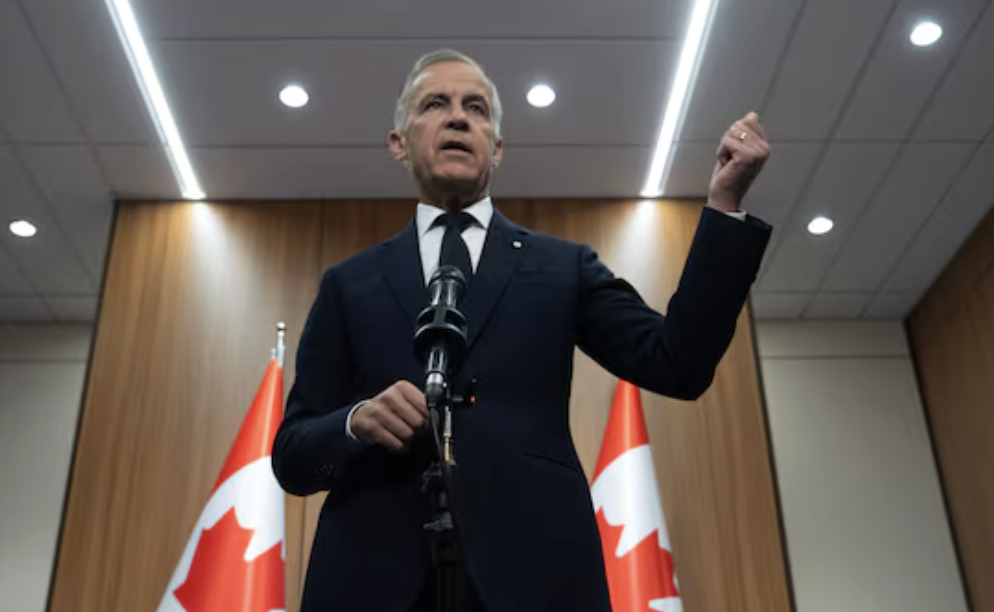
So it was hard not to notice when Canadian Prime Minister Mark Carney said Wednesday that President Donald Trump has “won the argument” over NATO members increasing their defense spending.
“The president, as did President Obama, which I just said to someone else — is looking for a shift of the burden within NATO. That’s appropriate,” Carney said in a clip posted to YouTube.
He went further.
“That is happening, it’s gaining momentum, it’s part of the point I made to President Trump when we spoke a few days ago, is that it’s not just he’s winning the argument. He’s won the argument,” Carney added.
According to Canada’s Global News, Carney made the remarks at the recent NATO summit in Turkey.
“Countries recognize that they need to take more responsibility, see the direct threats,” he said.
Carney also said he would push NATO members to take Arctic security more seriously, an issue of particular concern to Canada.
Trump has been making this case for years. His complaint is simple: too many NATO members have been able to fund generous domestic programs while relying on the United States to carry the heaviest military burden. They get the benefits of American protection without paying a fair share of the cost.
At the summit in Turkey, Trump also voiced anger over resistance from some NATO members to his foreign policy. He pointed to European objections to his efforts involving Greenland, as well as opposition tied to Iran.
“I’m not happy with NATO because of what they did with Greenland, and I’m not happy with NATO because of the fact that they didn’t want to help us with the number one state sponsor of terror, that’s Iran,” Trump told NATO Secretary-General Mark Rutte, according to Global News.