



Congress Contemplating New National Car Tax
Americans already pay a lot to own and operate a car. They pay sales taxes when they buy it, gas taxes when they fill it up, tolls when they drive certain roads, insurance premiums to keep it legal, registration fees to…
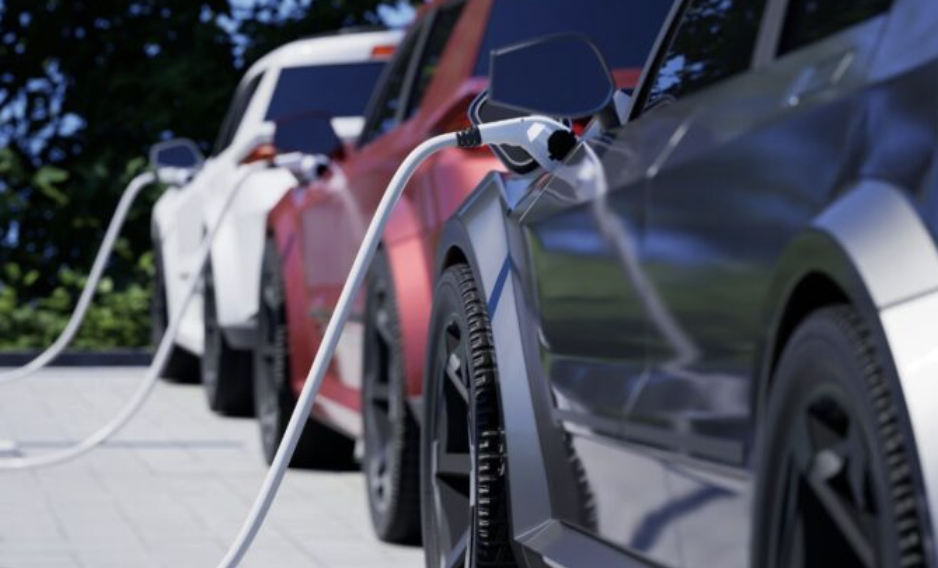
Americans already pay a lot to own and operate a car. They pay sales taxes when they buy it, gas taxes when they fill it up, tolls when they drive certain roads, insurance premiums to keep it legal, registration fees to keep it on the road, inspection fees in many states, and in some places, yearly property taxes simply because they own the vehicle.
Now Congress is considering adding another charge: a new annual federal vehicle registration fee.
Some lawmakers describe it as an “EV fee” aimed at electric and hybrid vehicles. But Americans should be careful before accepting that framing. New taxes rarely stay limited for long.
Virginia learned that lesson the hard way.
In 1997, Virginians pushed back against one of the most unpopular taxes in the country: the local personal property tax on cars. Families bought a vehicle, paid taxes at the time of purchase, and then were taxed again every year for owning it. The tax became a symbol of exactly what people dislike about recurring government charges. It was unavoidable, disconnected from income, and difficult to escape for anyone who needed a car to get through daily life.
Jim Gilmore ran for governor promising to phase it out. Political insiders said it could not be done. Editorial boards scoffed. The state’s establishment treated repeal as unrealistic.
Voters saw it differently.
They understood that a car is not a luxury for most people. It is how they get to work, take their children to school, care for aging parents, buy groceries, and live ordinary lives. When government taxes mobility, it taxes opportunity.
After taking office, Gov. Gilmore signed legislation beginning the phaseout of Virginia’s car tax. The policy was popular, but during the 2001 economic downturn, the legislature paused the phaseout and adopted a formula that permanently capped relief in dollar terms.
That cap allowed the tax to creep back. When Gilmore left office, 70 percent of the car tax had been eliminated. Today, relief stands at only 42 percent.
The lesson is not complicated. Once the government builds recurring vehicle taxes into its budget, those taxes become very hard to remove.
Congress should pay attention.
The current proposal would create a new annual federal registration fee for electric and hybrid vehicles. It would also turn state DMVs into collection agents for Washington.
Supporters say the fee is about fairness because EV drivers pay less in gasoline taxes. But that argument misses an important point. Gas taxes are tied to road use. The more someone drives, the more gas they buy, and the more tax they pay. A flat annual EV fee breaks that connection. It taxes ownership, not use.
The proposed fee would start at roughly $130 per year, which is higher than the average $73 to $89 many gasoline vehicle owners pay annually in federal gas taxes. It would also rise over time.
That would come on top of fees already imposed by states. At least 41 states charge extra registration fees for electric vehicles, with some above $250 a year. New Jersey currently charges $260 and plans to raise the amount. A federal fee would not replace those costs. It would stack on top of them.
Once Washington creates a national vehicle fee, there is little reason to believe it will remain limited to EVs and hybrids. Today, it applies to one category of vehicles. Tomorrow, it could apply to all of them.
There is also an obvious contradiction in current policy. For years, federal and state governments encouraged Americans to buy electric vehicles through tax credits, subsidies, and other incentives. At the same time, policymakers pushed fuel efficiency standards that reduced gasoline consumption and, with it, gas tax revenue.
Now, after encouraging people to buy vehicles that use less gas or no gas at all, lawmakers point to lower gas tax revenue as a reason to impose new fees on those same vehicles.
Americans have every reason to be frustrated when the government subsidizes a choice and then taxes it again.
This does not mean infrastructure funding is not a real issue. Roads and bridges need maintenance. But before inventing another tax, lawmakers should take a serious look at existing spending and revenue. Washington’s problem is not that Americans are undertaxed. It is that Congress spends too much and prioritizes too little.
A national car tax is not what working families need.
What they need is a government that can live within limits.
In 1997, Virginia voters sent a clear message: stop treating citizens as an endless source of recurring revenue. Congress should hear that message now.
Limited government means saying no to new taxes, even when they arrive under the softer name of “fees.” Especially then.
James Carter is a principal with Navigators Global and a policy adviser for America’s Economy First. He previously served as a deputy assistant secretary for economic policy at the U.S. Treasury. James S. Gilmore III served as the 68th governor of Virginia and is currently president of Gilmore Global Group LLC.