



Democratic Socialists Unveil Their Path To The White House
A democratic socialist podcast host is urging the Democratic Socialists of America to make a constitutional amendment one of its priorities, with the goal of allowing naturalized citizens such as New York City Mayor Zohran Mamdani to run for president. “DSA should push for a constitutional amendment so naturalized citizens can run for President,” Deep […]
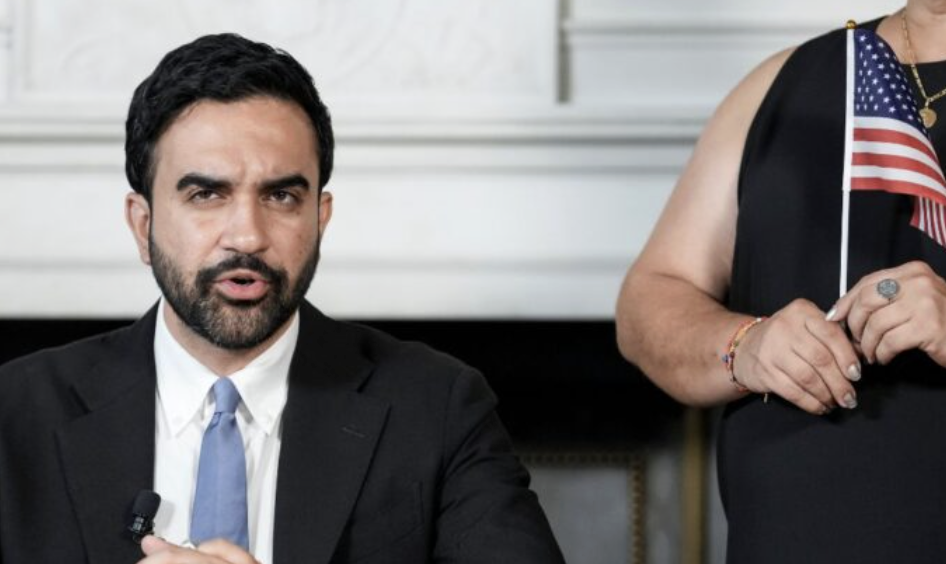
A democratic socialist podcast host is urging the Democratic Socialists of America to make a constitutional amendment one of its priorities, with the goal of allowing naturalized citizens such as New York City Mayor Zohran Mamdani to run for president.
“DSA should push for a constitutional amendment so naturalized citizens can run for President,” Deep Singh Badhesha wrote on social media Saturday. He then proposed a future presidential ticket featuring Mamdani and Melat Kiros.
Kiros is a DSA-backed candidate who defeated 15-term incumbent Rep. Diana DeGette in the Democratic primary for Colorado’s 1st Congressional District last month. Her victory followed a series of wins by Mamdani-endorsed candidates in New York, where two Democratic incumbents, including Rep. Dan Goldman, lost their primaries. Another Mamdani-backed candidate won an open-seat primary after the incumbent chose not to seek reelection.
Changing the Constitution, however, is intentionally difficult. An amendment must first receive support from two-thirds of both the House of Representatives and the Senate. It must then be ratified by three-fourths of the states.
The Constitution’s presidential eligibility requirements are found in Article II, Section 1, Clause 5. The provision states that only a natural-born citizen, or someone who was a citizen when the Constitution was adopted, may serve as president. It also requires the president to be at least 35 years old and to have lived in the United States for at least 14 years.
Mamdani was born in Uganda, while Kiros was born in Ethiopia. Because both are naturalized citizens, neither is currently eligible to serve as president. Mamdani became a U.S. citizen in 2018. Kiros would also be younger than the required age for the presidency or vice presidency in the 2028 election.
According to the Constitution Annotated published by Congress, the natural-born-citizen requirement was intended to reduce the possibility of foreign influence over the presidency. Justice Joseph Story later argued that the restriction was designed to guard against ambitious foreign-born figures seeking the office and against interference by foreign governments.
Mamdani’s critics have pointed to remarks he made ahead of the Fourth of July weekend as evidence that his view of the United States differs sharply from the traditional understanding of the country’s founding principles.