




Kamala Harris Pressed on Not Visiting the US-Mexico Border: ‘You Haven’t Been’
Vice President Kamala Harris is defending herself for not traveling to the U.S.-Mexico border — at least not yet. Since being tapped to lead the effort with Mexico to stem the flow of immigrants to the U.S., Harris has…
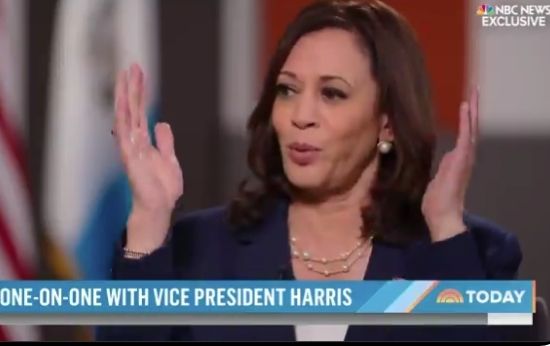
Vice President Kamala Harris is defending herself for not traveling to the U.S.-Mexico border — at least not yet.
Since being tapped to lead the effort with Mexico to stem the flow of immigrants to the U.S., Harris has faced criticism by Republicans for not traveling to the southern border. This comes as there has been a surge of migrants at the U.S.-Mexico border.
Harris was asked by NBC News’ Lester Holt if she has plans to visit the southern border at some point, to which she responded, “I – at some point – you know – we are going to the border. We’ve been to the border. So this whole – this whole – this whole thing about the border. We’ve been to the border. We’ve been to the border.”
“You haven’t been to the border,” Holt pressed.
Harris replied, “I haven’t been to Europe. And I mean, I don’t – I don’t understand the point that you’re making. I’m not discounting the importance of the border,” before adding, “Listen, I care about what’s happening at the border.”
Harris added that she visited Guatemala to help deal with “the root causes of migration.”
See Harris’s comments below:
Harris was in