



Innovative Process ‘Vaporizes’ Plastic Waste Into Building Blocks For New Plastics
Dr. John Hartwig explained that polyethylene and polypropylene plastics comprise about two-thirds of consumer plastic waste worldwide. MALI MAEDER VIA PEXELS. “> A radical new process “vaporizes” plastic bags and…
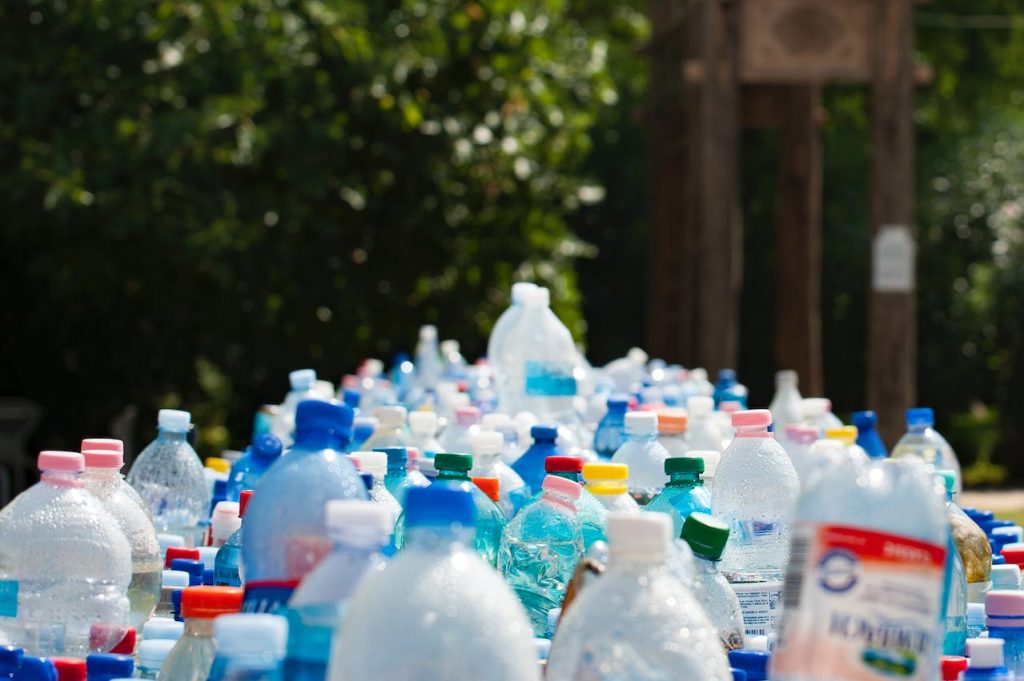

Dr. John Hartwig explained that polyethylene and polypropylene plastics comprise about two-thirds of consumer plastic waste worldwide. MALI MAEDER VIA PEXELS.
“>
A radical new process “vaporizes” plastic bags and bottles to help make recycled materials.
American scientists say the innovative chemical procedure turns ubiquitous waste items into hydrocarbon “building blocks” for new plastics.
They explained that the process works “equally well” with the two dominant types of consumer plastic waste: polyethylene, the component of most single-use plastic bags, and polypropylene, the stuff of hard plastics, from microwavable dishes to luggage.
According to the findings published in the journal Science, it also efficiently degrades a mix of the two types of plastics.
The research team says the process could help create a “circular economy” for many throwaway plastics if scaled up. Plastic waste could be converted back into the monomers used to make polymers, thereby reducing the fossil fuels used to make new plastics.
Clear plastic water bottles made of polyethylene terephthalate (PET), a polyester, were designed in the 1980s to be recycled in this way.
But now, the volume of polyester plastics is “minuscule” compared to that of polyethylene and polypropylene plastics, referred to as polyolefins.
Research leader Dr. John Hartwig of the University of California, Berkeley, said: “We have an enormous amount of polyethylene and polypropylene in everyday objects, from lunch bags to laundry soap bottles to milk jugs – so much of what’s around us is made of these polyolefins.
“What we can now do, in principle, is take those objects and bring them back to the starting monomer by chemical reactions we’ve devised that cleave the typically stable carbon-carbon bonds.