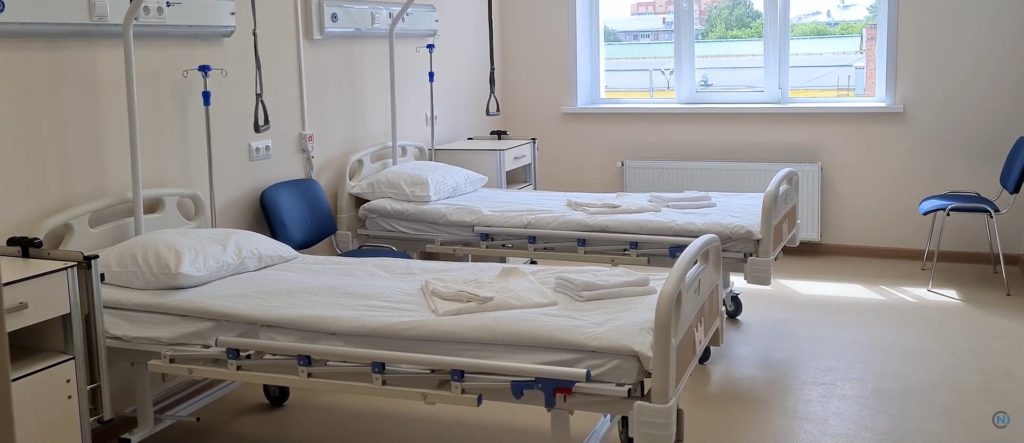



Imagine this: you go for the same routine medical test at two clinics. One charges $100. The other, $300, because itâs owned by a hospital. Same nurse, same machine, same results. The only difference? A hospital logo on the sign out front.
If that sounds absurd, it is. But under Medicareâs outdated payment rules, itâs also perfectly legal. Only in Washington would we pay triple for identical care because of the name on the door.
Americaâs seniorsâand taxpayersâare footing the bill. Medicare routinely pays hospitals two to three times more than independent clinics for the same outpatient procedures. That âhospital markupâ is nothing short of a hidden subsidy, fueling a corporate buying spree as hospitals scoop up local physician practices just to bill Medicare at inflated rates.
Itâs a classic shell game: consolidation masquerading as care. And the cost is enormous. Medicareâs own advisory body, MedPAC, determined three years ago that if all outpatient services had been paid at independent clinic rates, Medicare would have saved $6.6 billion annually, and seniorsâ co-pays would have dropped by $1.7 billion. Thatâs not pocket changeâitâs money that could be keeping premiums down and extending the life of Medicareâs trust fund.
So why hasnât this been fixed? Two reasons: opacity and lobbying.
Hospital bills remain a masterclass in obfuscationâstuffed with cryptic âfacility feesâ and unexplained surcharges that show up long after the patient leaves. Itâs like a restaurant adding a $75 âtable ambiance feeâ for sitting near the window. And while patients drown in paperwork, hospital lobbyists flood Capitol Hill with warnings that any payment reform will âthreaten care.â
Letâs be clear: it wonât. Routine services like X-rays and MRIs donât magically become more expensive because theyâre performed inside hospital walls. Medicare already reimburses hospitals separately for real overhead and charity care. What the lobbyists are defending isnât patient careâitâs a sweetheart deal.
The fix is almost embarrassingly simple: site-neutral payments.
If the service is the same, Medicare should pay the same. Period. Whether itâs in a hospital or a corner clinic, an MRI is an MRI. Paying fair prices would level the playing field, reward efficiency, and remove the perverse incentive for hospitals to buy up independent doctors simply to exploit higher reimbursement rates.
Experts across the political spectrum agree. MedPAC supports it. The Government Accountability Office supports it. So do fiscal watchdogs from the Heritage Foundation to the Committee for a Responsible Federal Budget. Health officials in both the Trump and Obama administrations endorsed it. In 2023, the House passed a version of the reform by a vote of 320 to 71âa rare show of bipartisanship.
Yet here we are, still paying champagne prices for tap-water care.
The hospital lobby will, of course, cry foul. Theyâll warn of âcuts to patient care,â conflating reduced overpayments with reduced quality. But not one seniorâs benefit would be touched. Protecting essential rural hospitals is fully compatible with ending these bloated subsidies for large systems expanding into every suburb.
Transparency is the other half of the cure. A 2020 Trump-era rule required hospitals to post their prices online, but by 2024, only 46% were in full compliance. Thatâs unacceptable. Patients deserve to know costs upfront, and Medicare deserves the power to use competition to drive prices down. Sunlight remains the best disinfectant for a system built on secrecy.
The stakes couldnât be higher. The latest Medicare Trustees report warns that the Hospital Insurance Trust Fund will be insolvent by 2033 if nothing changes. Site-neutral payments and true price transparency wonât just save upwards of $150 billion over the decade aheadâtheyâll protect seniorsâ benefits and extend Medicareâs lifespan without raising taxes or cutting care.
If Washington canât fix a waste this obvious, what hope is there for the harder stuff?
Itâs time to end the hospital billing shell game and restore common sense to Medicare. Seniors paid into the system all their lives. They deserve a program that spends their dollars wiselyâon their care, not on hospital markups.
Medicare doesnât need more subsidies. It needs sunlight.
James Carter is a Principal with Navigators Global. He previously served as Deputy Undersecretary of Labor (2006-07) and as the Director of the America First Policy Instituteâs Center for American Prosperity (2021-23). Brady Walczak is a U.S. Senate aide.
The views and opinions expressed in this commentary are those of the author and do not reflect the official position of the Daily Caller News Foundation.
(Featured Image Media Credit:Â Screen Capture/PBS North Carolina Channel)
All content created by the Daily Caller News Foundation, an independent and nonpartisan newswire service, is available without charge to any legitimate news publisher that can provide a large audience. All republished articles must include our logo, our reporterâs byline and their DCNF affiliation. For any questions about our guidelines or partnering with us, please contact [email protected].