



Justice Thomas Weighs in on Birthright Citizenship Ruling
Justice Clarence Thomas sharply criticized the Supreme Court majority for reading the Constitution to guarantee automatic citizenship to anyone born in the United States, no matter the immigration status of that child’s parents. In a lengthy dissent, Thomas argued that the ruling weakens the meaning of American citizenship and stretches the Fourteenth Amendment beyond what […] The post Justice Thomas Weighs In On Birthright Citizenship Ruling appeared first on Red Right Patriot.
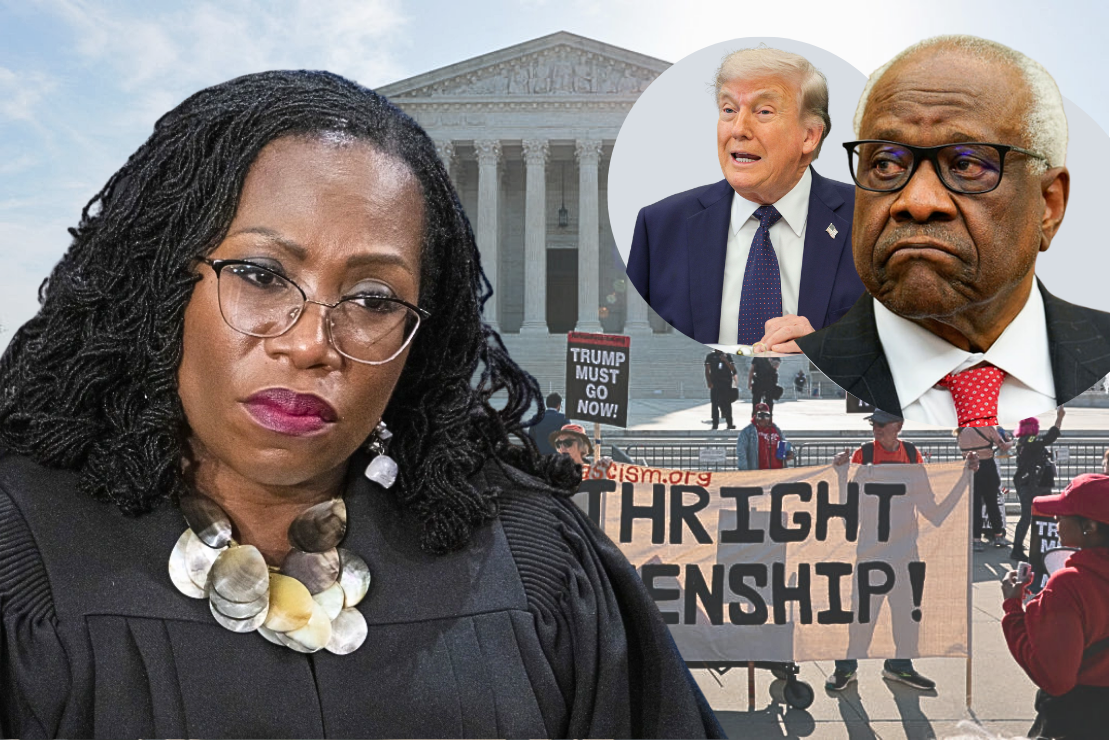
Justice Clarence Thomas used a lengthy dissent this week to lay out his constitutional view of birthright citizenship, arguing that the Fourteenth Amendment was never intended to automatically confer citizenship on every child born within the United States regardless of the legal status of the parents.
Although the Supreme Court’s decision has reignited debate over the issue, the Court did not decide whether President Donald Trump’s executive order limiting birthright citizenship is constitutional. Instead, the justices addressed the scope of nationwide injunctions issued by lower federal courts, allowing litigation over the executive order to continue.
Even so, Thomas devoted much of his opinion to explaining why he believes the prevailing interpretation of the Fourteenth Amendment is historically and legally flawed.
The Citizenship Clause of the Fourteenth Amendment provides that, “All persons born or naturalized in the United States, and subject to the jurisdiction thereof, are citizens of the United States and of the State wherein they reside.”
Thomas argued that the clause must be understood in the historical context in which it was adopted following the Civil War.
He noted that both the Civil Rights Act of 1866 and the Fourteenth Amendment were enacted in response to the Supreme Court’s infamous 1857 decision in Dred Scott v. Sandford, which held that Black Americans could not be citizens of the United States.
“Both the Civil Rights Act and the Citizenship Clause guaranteed citizenship to persons born and domiciled in the United States regardless of their race,” Thomas wrote. “Neither guaranteed citizenship to persons who were not domiciled in the United States.”
He continued by arguing that formerly enslaved Americans qualified for citizenship because they had no other national allegiance.
“Blacks were entitled to citizenship because they were Americans. They had no other homeland, owed no allegiance to any foreign power, and were subject to no other authority,” Thomas wrote.