




Over 70 Members of Congress Violated Federal Law: Report
A bipartisan group of legislators violated a federal law aimed at preventing Congressional representatives from using inside information to enrich themselves. Under the Stop Trading on Congressional Knowledge ( STOCK)…
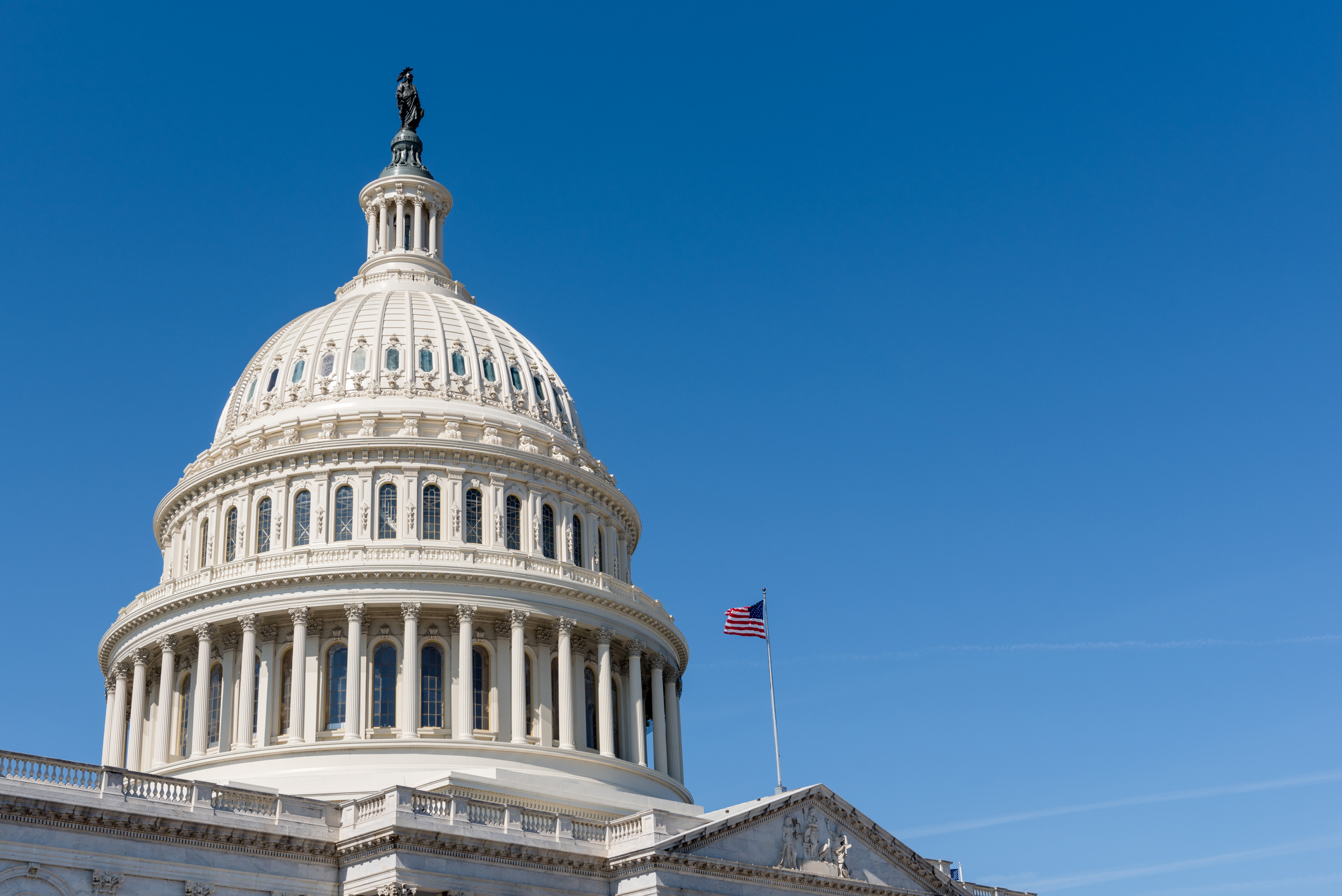
A bipartisan group of legislators violated a federal law aimed at preventing Congressional representatives from using inside information to enrich themselves.
Under the Stop Trading on Congressional Knowledge (STOCK) Act of 2012, members of Congress are required to report financial trades worth more than $1,000 that they, their spouses or their dependent children made within 30 to 45 days of the transactions.
However, 71 members of Congress failed to properly report their trades, in violation of the STOCK Act, Business Insider reported on Monday.
“Congress passed the law a decade ago to combat insider trading and conflicts of interest among their own members and force lawmakers to be more transparent about their personal financial dealings,” according to Business Insider.
“But many members of Congress have not fully complied with the law. They offer excuses including ignorance of the law, clerical errors and mistakes by an accountant.”
In many cases, the lawmakers either reported their transactions late or failed to report them altogether. The stock deals range in value from five figures to millions of dollars.
It’s not surprising that many Congressional representatives don’t feel a sense of urgency about complying with the STOCK Act, since the penalty for violating it is usually a nominal fine.
“While lawmakers who violate the STOCK Act face a fine, the penalty is usually small — $200 is the standard amount — or waived by House or Senate ethics officials,” Business Insider reported.
Should lawmakers be allowed to invest in the Stock Market?
YesNo
Completing this poll entitles you to our news updates free of charge. You may opt out at anytime. You also agree to our Privacy Policy and Terms of Use.
Yes: 5% (22 Votes)
No: 95% (395 Votes)
📺 Embedded media — coming soon
For such a serious matter, the punishment is laughably small. You could pay $200 penalties on that all day long and still make a killing on the Stock Market.
Here are the lawmakers who recently violated the STOCK Act one way or another, according to Business Insider:
Sen. Dianne Feinstein, a Democrat from California
Sen. Tommy Tuberville, a Republican from Alabama
Sen. Roger Marshall, a Republican from Kansas
Sen. John Hickenlooper, a Democrat from Colorado
Sen. Rand Paul, a Republican from Kentucky
Sen. Sheldon Whitehouse, a Democrat from Rhode Island
Sen. Rick Scott, a Republican from Florida
Sen. Tom Carper, a Democrat from Delaware
Sen. Bill Hagerty, a Republican from Tennessee
Sen. Cynthia Lummis, a Republican from Wyoming
Sen. Gary Peters, a Democrat from Michigan
Sen. Mark Kelly, a Democrat from Arizona
Rep. Tom Malinowski, a Democrat from New Jersey
Rep. Pat Fallon, a Republican from Texas
Rep. Diana Harshbarger, a Republican from Tennessee
Rep. Susie Lee, a Democrat of Nevada
Rep. Madison Cawthorn, a Republican from North Carolina
Because the paltry penalty has very little deterrent effect, ethics watchdogs and even some members of Congress are pushing for stricter punishments or a ban on federal lawmakers from trading individual stocks.
Interestingly, Democratic Speaker of the House Nancy Pelosi was not on the latest list of STOCK Act violators, presumably because she reported her transactions in a timely manner and, therefore, was technically in compliance.
However, the multi-millionaire’s long history of stock trades during the 35 years she has been in Congress is raising eyebrows, even among the liberal media.
In March, Pelosi’s financier husband Paul bought 2,500 shares of Tesla stock, worth $2.18 million, as the Democrats aggressively pushed for increased green energy spending.
In June, Paul Pelosi bought $1 million to $5 million in shares of semiconductor maker Nvidia around the same time that Congress was pushing through a bill that would give generous subsidies for manufacturing them.
It’s repulsive that some wealthy politicians use their taxpayer-funded positions to trade on inside information to enrich themselves when the average American would be jailed for doing the same thing.
The public’s faith in institutions such as the media, banks, the court system, the intelligence agencies and public schools have plunged in recent years.
Similarly, Americans are fed up with self-dealing politicians. Congress should ban trading in individual stocks by members and their spouses. This should not be a partisan issue.
This article appeared originally on The Western Journal.