
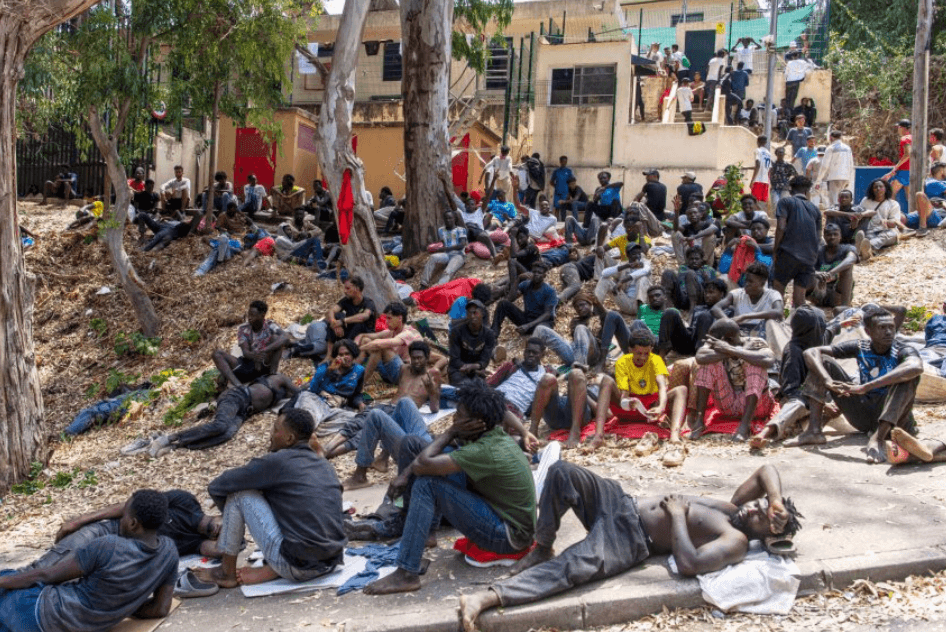
Ceuta, Spain, is still struggling with the aftermath of a massive influx of migrants from Morocco in July, and some residents say the situation has left them frightened, angry and increasingly convinced that Madrid has abandoned them.
The small Spanish autonomous city, which sits on the North African coast, saw tens of thousands of migrants arrive during the July surge. The Telegraph reported Wednesday that, of the roughly 72,000 people who entered Ceuta during that period, an estimated 5,000 to 8,000 remain in the city.
The arrival of so many people in such a small territory has placed enormous pressure on local authorities, public spaces and residents. Concerns have grown even more serious following reports of sexual violence.
According to El Mundo, 15 rapes have been reported in Ceuta so far. The latest disturbing incident reportedly occurred Friday night, when three men, described as brothers, allegedly attempted to sexually abuse a 10-year-old girl.
Those reports have intensified a sense of insecurity among some local residents.
Remix News and Views shared an interview with a woman from Ceuta who said she no longer feels comfortable living the life she once knew in her hometown.
“Why do I have to leave my city?” she asked. “The city where my mother gave birth to me, where I was raised and I want to raise my children.”
She said the atmosphere has changed so dramatically that ordinary activities, including walking through the streets or taking children to a park, now feel unsafe.
“I never thought I would have to live through this situation we’re facing. Never,” she said.
The woman added that some families have already decided to leave.
“People with children have had to leave here because they can’t take their kids down to a park. We are experiencing mental and psychological toll. Enough is enough.”
“We feel abandoned, and we are Spanish citizens.”
Footage circulated by Visegrád 24 has also shown large numbers of migrants continuing to gather in parts of Ceuta, adding to the debate over whether Spanish authorities have adequately responded to the crisis.
Morocco is overwhelmingly Muslim, and critics of Europe’s migration policies have argued that large-scale migration from socially conservative Muslim-majority countries can create serious integration challenges when cultural attitudes toward women, sexuality, religion and criminal justice differ sharply from European norms.
Those concerns should be discussed seriously, particularly when crimes against women or children are involved. At the same time, responsibility for rape and sexual assault belongs to the individuals who commit those crimes. Treating every Muslim migrant as inherently violent does little to explain why particular crimes occur or how authorities can prevent them.
There are also longstanding controversies elsewhere in Europe involving sexual exploitation carried out by organized groups. In Britain, inquiries into grooming gangs have documented devastating failures by police, councils and other public institutions to protect vulnerable girls. Some cases involved offenders from Pakistani Muslim backgrounds, and investigators have examined whether officials were reluctant to confront cultural factors for fear of being accused of racism.
Those failures deserve scrutiny without turning criminal responsibility into a blanket judgment about an entire religion or population.
For the people of Ceuta, however, the immediate issue is much closer to home. Residents want to know whether their government can control the border, maintain public order, prosecute offenders and protect families living in a city that has experienced extraordinary demographic pressure in a matter of weeks.