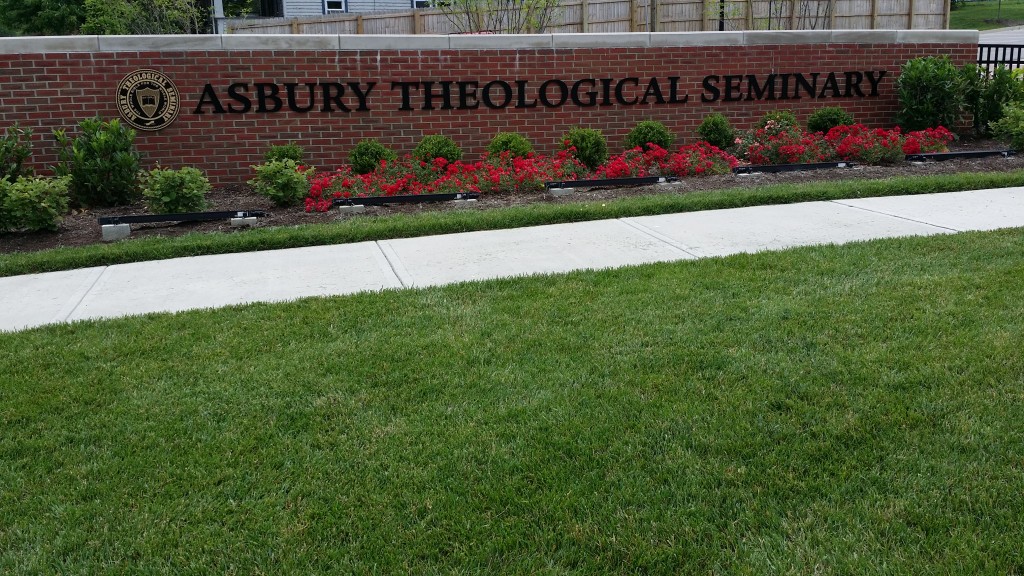



Sometimes a split has been coming for so long that, by the time it finally happens, nobody is really surprised. That’s pretty much where things stand between Asbury Theological Seminary and the United Methodist Church.
After more than four decades as an approved institution for training United Methodist clergy, Asbury announced that it has officially been removed from the denomination’s list of approved schools for ordination. The seminary, located in Wilmore, Kentucky, says the decision followed the United Methodist Church’s sweeping changes in 2024 that removed longstanding restrictions on same-sex marriage and the ordination of self-described LGBT clergy.
For Asbury, this wasn’t simply an administrative disagreement. The seminary made it clear that it believes the denomination has moved in a theological direction it cannot follow.
In its statement, Asbury said the United Methodist Church’s revised positions “are not aligned with Asbury Theological Seminary’s institutional ethos and the historic witness of the Christian faith.”
The school then reaffirmed its own beliefs in unmistakable terms.
“We affirm marriage as sanctioned by God, which joins one man and one woman in a single, exclusive union for life, as delineated in Scripture, and provides the sole context for sexual intimacy, helping to ensure the blessings of that relationship as God intended.”
That’s not a new position for Asbury. The seminary says those convictions have guided its teaching for generations, long before the latest debate erupted within the United Methodist Church.
The relationship between the two organizations stretches back to 1981, when the denomination first approved Asbury as a school where future United Methodist ministers could receive their theological education. For 44 years, that arrangement remained in place.
Now it’s over.
What’s interesting is how Asbury described the process that led to its removal. The seminary didn’t suggest it walked away voluntarily. Instead, it emphasized that this was a decision made by the denomination itself.
“The removal of our name from the list reflects a determination made by the UMC rather than a shared resolution,” the school said.
Asbury also stressed that it fully participated in every stage of the review.
“We engaged fully and faithfully in the process and honored every request from the Senate in a timely manner. We were forthcoming with the requested documents and information.”
Perhaps the most telling part of the statement was the acknowledgment that the seminary never attempted to hide where it disagreed with the denomination.
“Throughout the process, we were honest and clear about our doctrinal and ethical standards, even when those differed from the recently amended Social Principles of the UMC.”
In other words, there doesn’t appear to have been much mystery about the outcome. The seminary maintained its longstanding theological positions, while the denomination adopted new policies that no longer aligned with those beliefs.
Asbury said the final decision ultimately rested with the church.
“Their final decision to delist us was unilateral. While we had hoped for a different outcome, our focus remains steadfast on our unchanging calling.”
The United Methodist Church has likewise been clear about the direction it chose during its 2024 General Conference. According to the denomination’s official website, delegates approved “a series of affirmations and agreements about how all persons will be treated with respect to their sexuality or gender identity.”
The church now describes sexuality as “a sacred gift” and says sexual intimacy contributes to the emotional, spiritual, and physical well-being of individuals, applying that principle “to all persons, regardless of sexual orientation or gender identity.”
Those changes represented a major shift for the denomination and have become one of the defining moments in its recent history.
For current students, however, the transition won’t be immediate. Asbury noted that United Methodist students beginning their studies in the fall of 2026 will be grandfathered into the existing ordination process, allowing them to complete their educational pathway under the previous arrangement.
The seminary also pointed out that only about 9 percent of its current student body is affiliated with the United Methodist Church. As an independent, multi-denominational institution in the Wesleyan tradition, Asbury serves students from numerous Christian denominations, meaning the practical impact on its overall enrollment may be more limited than some initially assume.
Even so, the symbolic significance is hard to miss. A partnership that lasted more than four decades has come to an end because two institutions now hold fundamentally different views on questions of doctrine, marriage, and biblical interpretation.
Despite the split, Asbury says its own mission remains exactly what it has always been.
“Our theological commitments, including our commitment to Scripture, remain unchanged,” the seminary said.
“As an independent, multi-denominational seminary in the Wesleyan tradition, we have remained steadfast for more than a century in teaching the unchanging truth of orthodox Christianity. Our mission and values are the same today as they have been for more than a century.”