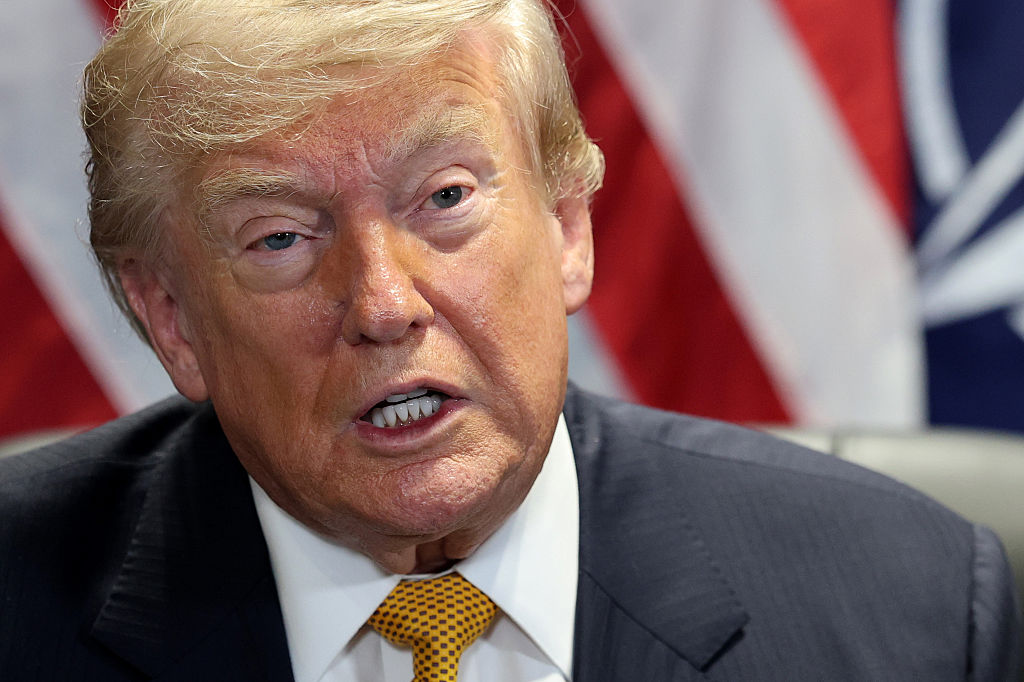



The tentative Ceasefire between the U.S. and Iran seemed tenuous from the start. Now, it is “over.”

That is what President Donald Trump declared Wednesday while talking with reporters NATO Secretary-General Mark Rutte at the alliance's annual summit in Ankara, Turkey,

"For me, I think it's over," Trump said. "As far as I'm concerned it's just a waste of time."

Trump said believes Iran is no longer negotiating in good faith. He also accused Iranian leaders of agreeing to terms of the Ceasefire privately before publicly denying them.

“They're liars," Trump said. "We make a deal. ... They go outside, talk to the press. They say, 'We never even talked about it.' ... As far as I'm concerned, it's over."

The president said U.S. negotiators could continue talks with Iran, but it all may be for naught.

"They can talk, but I think they're wasting their time. They're liars, they're cheats. They're sick people,” he continued.

Advertisement

Watch:

https://x.com/RapidResponse47/status/2074773233602023509?s=20

Trump spoke after the U.S. launched strikes on Iranian military targets and revoked a license authorizing the sale of Iranian oil.

He said the moves were retaliation for Tehran's attacks on commercial shipping in the Strait of Hormuz.

Trump said Iran restarted  attacks on ships despite being given a reprieve for funeral ceremonies for Supreme Leader Ayatollah Ali Khamenei, prompting the U.S. to strike back.

The agreement between the two sides was intended to reduce tensions and allow commercial traffic to resume through the Strait of Hormuz.

The strait is a global shipping lane that carries roughly one-fifth of the world's traded oil.

Iran struck at least three commercial vessels working their way through the waterway Monday and Tuesday, prompting the U.S. military response.

Advertisement

U.S. Central Command said American forces struck more than 80 Iranian targets. This includes air defense systems, radar sites and Revolutionary Guard vessels used to threaten shipping.

In turn, Iran struck U.S. military installations in Bahrain and Kuwait, which could send oil prices soaring.