



Trump Just Achieved An Impossible Global Victory
In a significant reversal, China’s communist government released imprisoned pastor Ezra Jin on Friday, months after President Donald Trump personally appealed for his freedom during a meeting with Chinese President Xi Jinping. The Free Press reported on July 4 that Jin had arrived in Los Angeles the previous day after spending 266 days in the […]
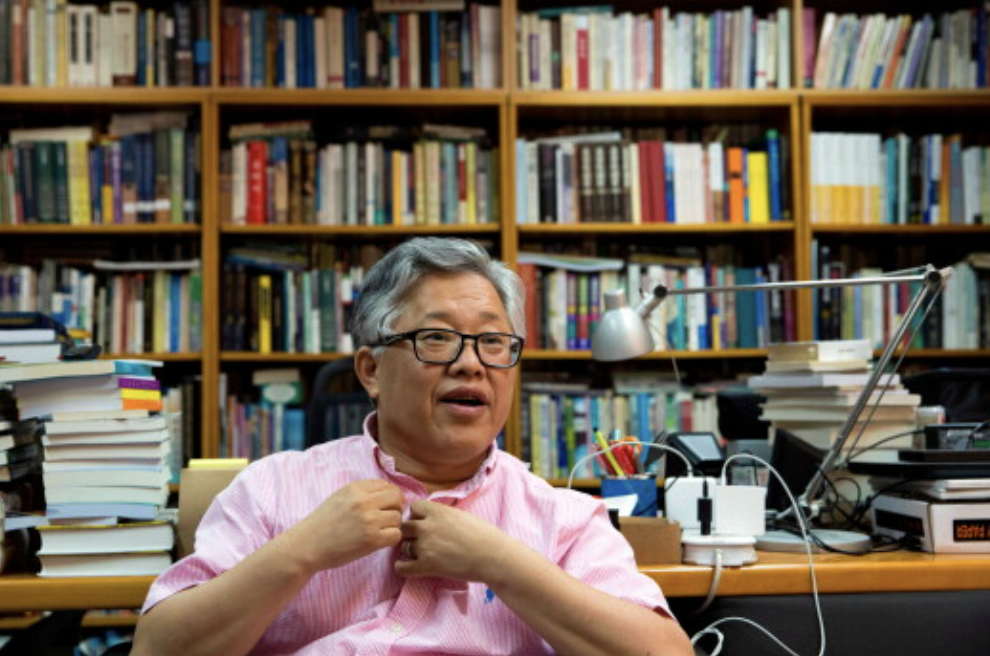
In a significant reversal, China’s communist government released imprisoned pastor Ezra Jin on Friday, months after President Donald Trump personally appealed for his freedom during a meeting with Chinese President Xi Jinping.
The Free Press reported on July 4 that Jin had arrived in Los Angeles the previous day after spending 266 days in the Chinese Communist Party’s prison system. His release brought an emotional reunion with family members he had not seen in years. According to the report, Jin saw his wife for the first time in eight years and his daughter for the first time in six years.
Jin’s family had previously left China and settled in the United States because of religious persecution. Jin chose to remain behind, continuing his work as the leader of Zion Church despite the growing risks facing unregistered Christian congregations.
Chinese authorities arrested Jin in October during one of the country’s largest crackdowns on Christians in recent decades. Nearly two dozen pastors and church workers connected to Zion Church were detained, though some were later released.
The church had attracted the attention of Chinese officials after growing to roughly 10,000 members without registering with the government. After authorities shut down its Beijing location in 2018, Zion Church adapted by organizing gatherings in more than 100 locations across 40 cities. Its influence continued to grow when it began livestreaming worship services during China’s strict COVID-19 lockdowns.
Following Jin’s arrest, religious freedom groups and Christian organizations around the world called for his release. Advocates pointed to his imprisonment as part of a broader pattern of government pressure against Christians and other religious minorities in China.
Jin’s daughter, Grace, also raised concerns about her father’s health and treatment while in custody. In an October interview with Washington Watch, she said her father had Type 2 diabetes but was being denied medication prescribed by doctors. She also described crowded conditions in which detainees were reportedly forced to sleep in a room with more than 30 people and no beds. Family visits were not allowed.
Hope for Jin’s release increased during a U.S.-China summit in Beijing in May. Trump said he had personally raised the pastor’s case with Xi, later reporting that the Chinese leader was giving the matter “very serious consideration.”