



Two ESPN Personalities Hammer Biden’s ‘Maddening’ Move to Crush Women’s Sports
Earlier this month, the Biden administration moved to make broad bans on transgender students competing against athletes of the gender they are pretending to be, instead requiring them to compete against athletes of…
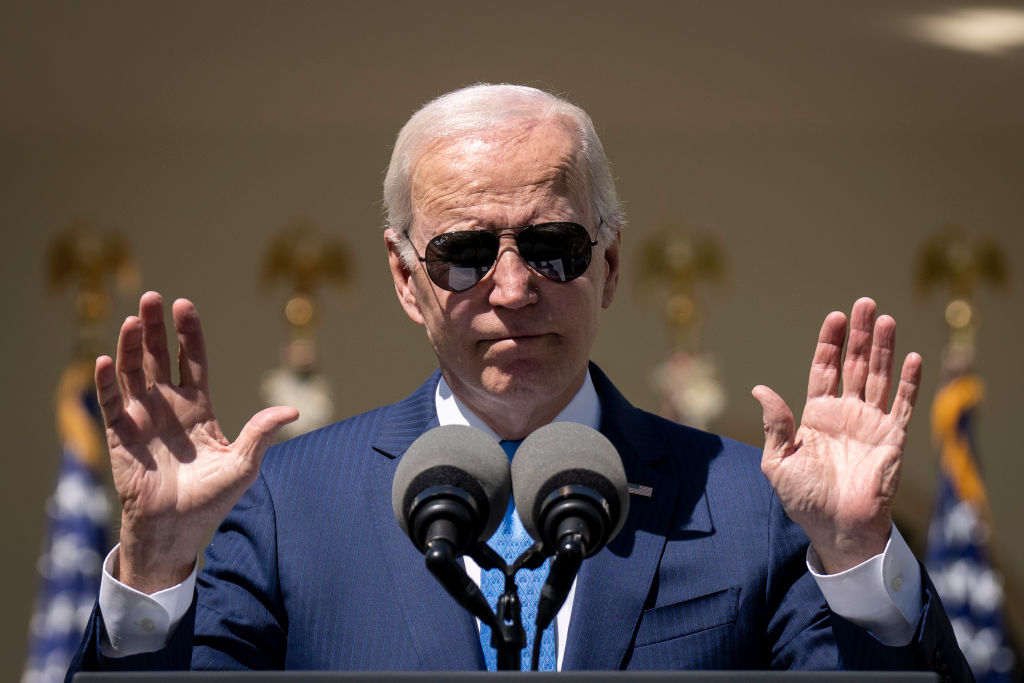
Earlier this month, the Biden administration moved to make broad bans on Transgender students competing against athletes of the gender they are pretending to be, instead requiring them to compete against athletes of their actual birth gender.
NPR reported that President Joe Biden’s Department of Education proposed the change to Title IX, which was originally enacted to prevent discrimination in schools that receive federal funding.
The proposal drew fire from the usual corners, of course — but also from two well-known personalities from ESPN, a network usually better recognized for its encouragement of all things woke, not for its criticism of them.
It started with a statement from Lia Thomas, a male competitive swimmer who wants to be thought of as a woman and to compete against women.
Thomas, unsurprisingly, supports the Biden administration’s proposal, and published a Video