



Youth Gangs Terrorize July 4th Celebrations
Minnesota law enforcement officials say social media attention and “showboating” are contributing to a recent rise in violence involving some Somali youth gangs in the Minneapolis–St. Paul area. Ramsey County Sheriff Bob Fletcher addressed the issue during a livestream after several shootings over the Fourth of July weekend. According to Fox 9 Minneapolis, Fletcher said […]
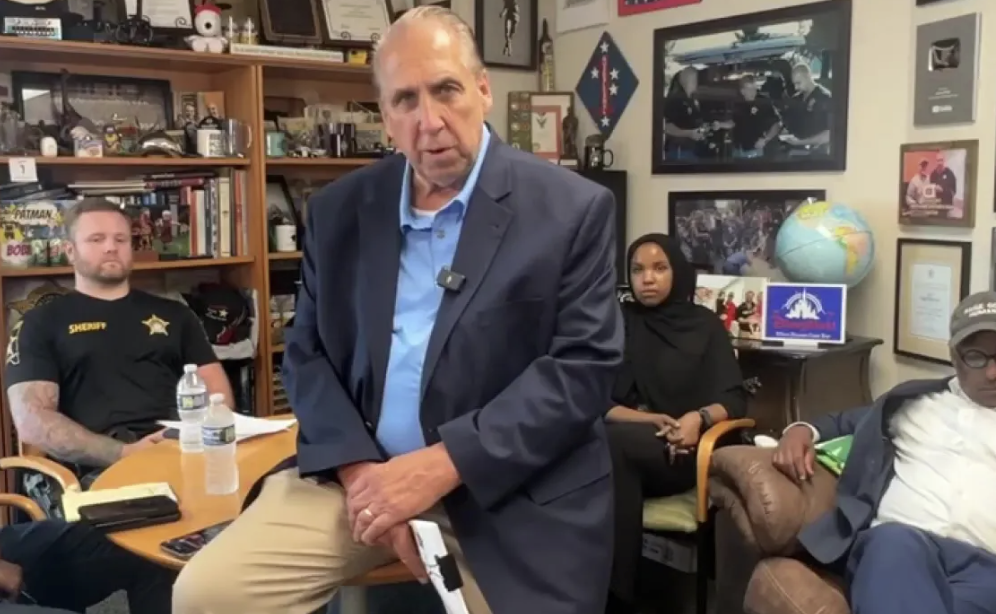
Minnesota law enforcement officials say social media attention and “showboating” are contributing to a recent rise in violence involving some Somali youth gangs in the Minneapolis–St. Paul area.
Ramsey County Sheriff Bob Fletcher addressed the issue during a livestream after several shootings over the Fourth of July weekend. According to Fox 9 Minneapolis, Fletcher said some of the incidents were connected to groups of Somali teenagers and young adults believed to be involved in gang activity.
Fletcher pointed to a gathering at Juice Time in Arden Hills as an example. He said roughly 300 Somali young people were at the location and that law enforcement officers were present to prevent problems.
“There were 300 Somali kids there, and some of them were gangsters,” Fletcher said. “We had a number of us law enforcement officers there that curtailed their activity, but two hours later, they were shooting someone in northeast Minneapolis, same group.”
The Ramsey County Sheriff’s Office did not respond to a request for additional comment from the Daily Caller News Foundation.
Authorities told Fox 9 that these youth gangs began receiving greater attention around 2022. Investigators believe online recognition, personal rivalries, and the desire to build a reputation on social media are major factors behind the violence.
Ramsey County Sheriff’s Office investigator Benjamin Seidl said the activity does not always resemble traditional organized crime, which is often centered on drug trafficking or financial profit. Instead, he said many of the conflicts appear to be driven by pride, image, and the desire to impress others.
“From what I’ve seen right now, it’s all about showboating,” Seidl said. “It’s all about ego for 99% of it. They aren’t selling narcotics. It’s all about just gloating.”
Law enforcement officials estimate that about a dozen such groups are operating across several Minnesota communities, including Minneapolis, St. Paul, St. Cloud, Apple Valley and Burnsville.
During the livestream, Fletcher estimated that violence involving Somali gangs had resulted in 14 homicides and more than 100 shootings over the previous two years. CBS News also reported on those figures. It was not immediately clear whether the numbers came from a formal public report or an internal law enforcement review.