
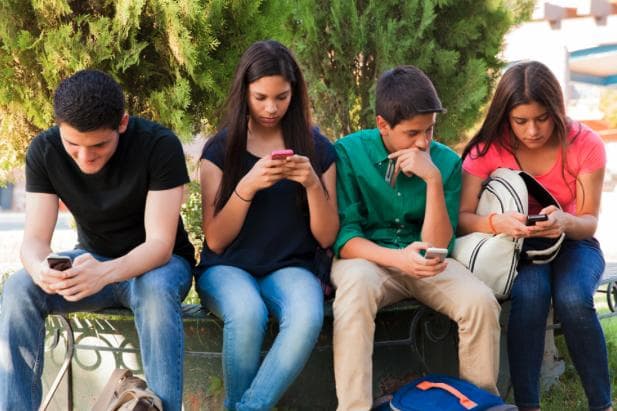
Australia is about to become the first country in the world to enforce a nationwide ban on social media use for children under the age of 16. The rule, which takes effect Wednesday, will result in the deactivation of more than 1 million accounts belonging to kids and teens. It’s a dramatic move that has sparked global debate and is being watched closely by lawmakers, parents, and tech companies in the United States and beyond.
The new law requires social media companies to take “reasonable steps” to make sure users under 16 cannot create accounts, and that any existing accounts belonging to those users are removed. Platforms like Instagram, Facebook, TikTok, Snapchat, YouTube, Reddit, and X (formerly Twitter) are all affected. Meta, the parent company of Instagram and Facebook, began closing some accounts on December 4 in advance of the deadline.
The law was passed quickly late last year by Australia’s Parliament, with strong support from the public. A YouGov poll showed 77% of Australians support the move. Government leaders say the ban is designed to protect kids from content that could be harmful to their mental and emotional health. They point to growing concerns over addictive algorithms, cyberbullying, exposure to dangerous content, and even online grooming.
Communications Minister Anika Wells defended the ban last week, saying it will help prevent children from falling into what she called a “purgatory” of nonstop online engagement. She quoted a former tech insider who described some app features as “behavioral cocaine.”
Supporters of the ban include many parents who say they’ve seen negative changes in their kids after getting access to social media. Dany Elachi, a father in Sydney, said his daughter Aalia withdrew from family life after getting a smartphone at age 10. When her phone broke a few months later, her parents didn’t replace it. Now 16, Aalia still doesn’t use social media and says she doesn’t miss it. She recently told lawmakers she hopes more kids will follow her lead.
However, not everyone agrees. Some teens and legal experts are pushing back. Two 15-year-old students have filed a legal challenge to the law in Australia’s highest court. One of them, Noah Jones, says the ban violates his right to free political communication — a protection implied in Australia’s constitution. He also says social media helped him learn important things, like information about consent and the dangers of vaping, which he wouldn’t have learned elsewhere.
Several young people interviewed by media said that while they understand the risks of social media, banning it outright might cause more problems. Chloe Song, 14, said teens will likely find workarounds using VPNs or turning to less-regulated platforms. She suggested better digital literacy education would be more helpful than a blanket ban. “Strict parents create, like, sneaky kids,” she said.
Social media companies have also voiced concerns. In a statement, Snapchat’s parent company said the ban could backfire by pushing teens toward less safe, less monitored platforms. They say disconnecting young people from friends and family doesn’t always make them safer and may lead to more isolation.
A government-commissioned study earlier this year found that 96% of kids ages 10 to 15 in Australia use social media. About 70% said they had seen harmful content, and more than half said they had experienced cyberbullying. One in seven reported being exposed to grooming-type behavior by adults or older teens.
Supporters of the law say it’s a necessary step to put the brakes on what they see as growing risks tied to digital life. Critics warn it could limit kids’ ability to express themselves and find support, especially those living in rural areas or coming from marginalized backgrounds.
For now, Australia is standing firm. Wells said the center-left government will not be moved by legal threats and remains committed to protecting children — even if the policy sparks controversy.
Whether other countries, including the U.S., follow suit remains to be seen. But with growing concern on both sides of the aisle about tech’s influence on kids, Australia may not be the only one drawing new lines in the digital sand.