

Billionaire entrepreneur Jeff Bezos is calling for a dramatic change to the federal tax system, arguing that millions of lower-income Americans should pay nothing at all in federal income taxes.
During an interview with CNBC on Wednesday, the Amazon founder said the bottom half of US earners should see their federal income tax bills completely wiped out, saying the move could help struggling Americans and encourage future business owners.
“The bottom half” of taxpayers currently contributes about 3% of all federal income taxes collected, according to Bezos, who said he believes that figure should be reduced to “zero.”
“I don’t want to reduce it, I want to eliminate it,” Bezos told CNBC’s Andrew Ross Sorkin. “I think there’s something very powerful about zero. Zero is a better number than $1.”
Bezos argued that removing the tax burden entirely could give financially strained Americans more freedom to take risks and pursue entrepreneurial opportunities.
The billionaire pointed to the possibility that future innovators could emerge if people were given greater financial breathing room.
“Maybe they’re going to be the next Steve Jobs,” Bezos said, referencing the late Apple co-founder Steve Jobs.
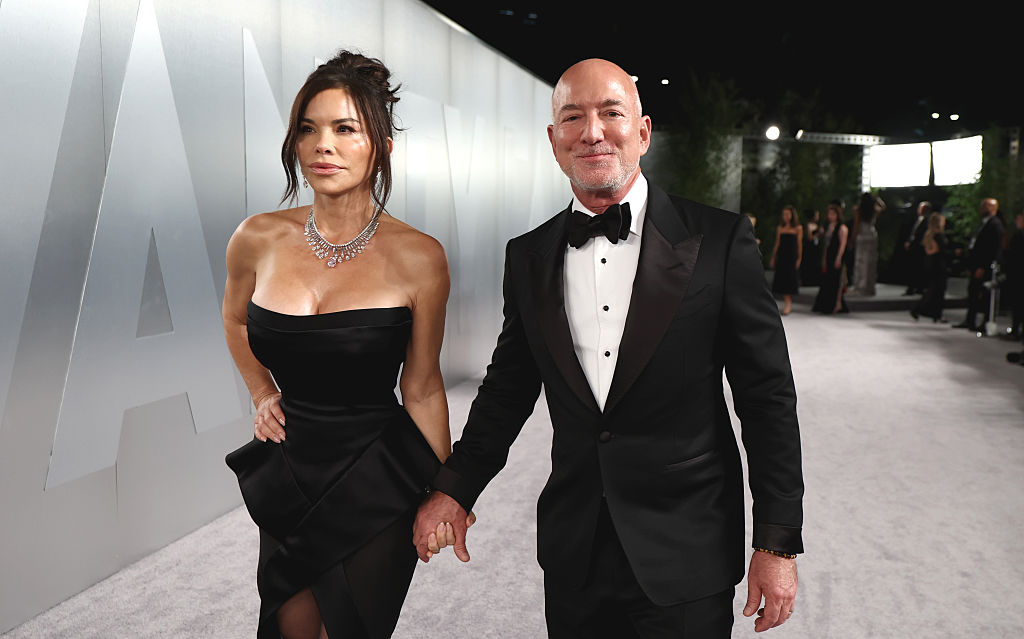
Bezos stepped down as CEO of Amazon in 2021 but remains one of the wealthiest people in the world. Bloomberg’s Billionaires Index currently estimates his fortune at roughly $279 billion.
His comments arrive as lawmakers across the political spectrum continue debating tax policy and wealth distribution.
Some Democratic officials at both the state and federal levels have recently proposed new taxes targeting ultra-wealthy Americans.
In California, supporters of a proposed ballot measure gathered enough signatures to place a billionaire tax proposal before voters in November. The measure would impose a one-time 5% tax on residents with a net worth exceeding $1 billion.
Meanwhile, Sen. Elizabeth Warren introduced the “Ultra-Millionaire Tax Act of 2026” earlier this year. The proposal calls for a 2% annual tax on households and trusts valued above $50 million, along with an additional 1% tax on billionaire wealth.
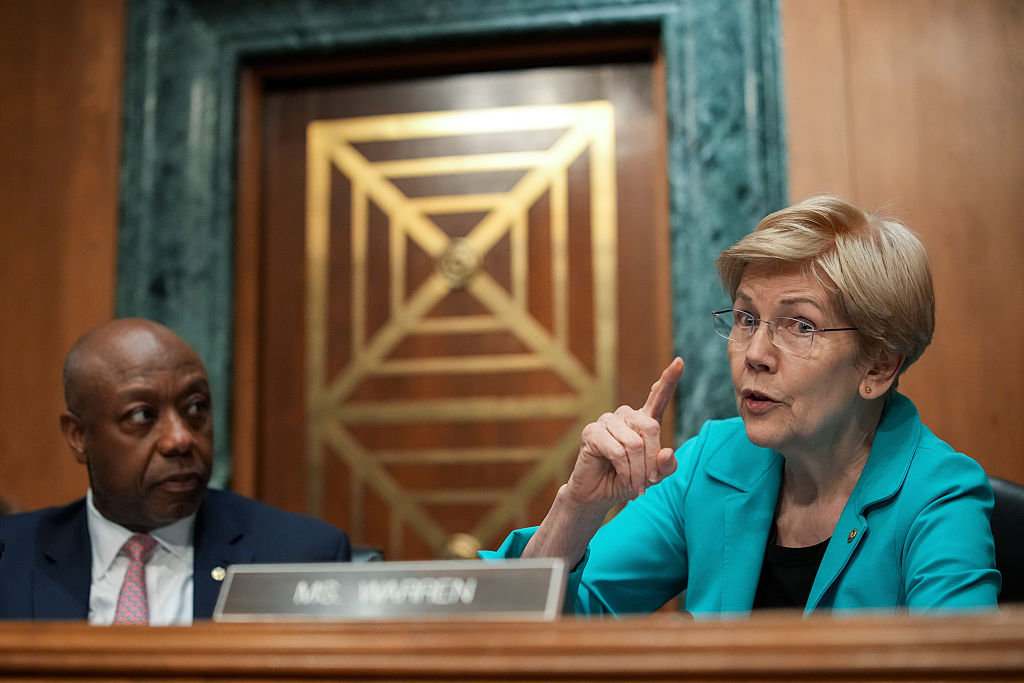
The legislation would also create a 40% “exit tax” on wealthy Americans worth more than $50 million who choose to give up their US citizenship.
Sen. Cory Booker has also backed tax reform through his “Keep Your Pay Act,” which would eliminate taxes on the first $75,000 earned by households filing jointly.
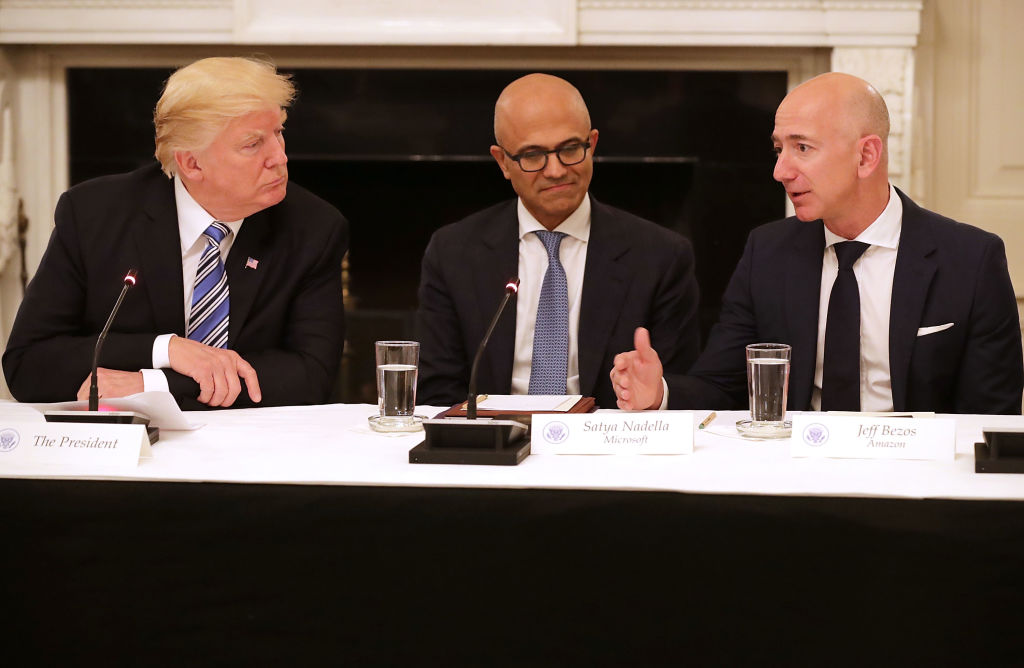
At the same time, Republicans recently advanced President Donald Trump’s “big, beautiful” tax and spending package, which critics argue disproportionately benefits wealthier Americans.
According to data from the Tax Foundation, taxpayers earning less than $53,801 annually faced an average federal income tax rate of 3.7% in 2023.
The top 1% of earners, meanwhile, paid an average rate of 26.3% and accounted for roughly 40% of all federal income taxes collected.