
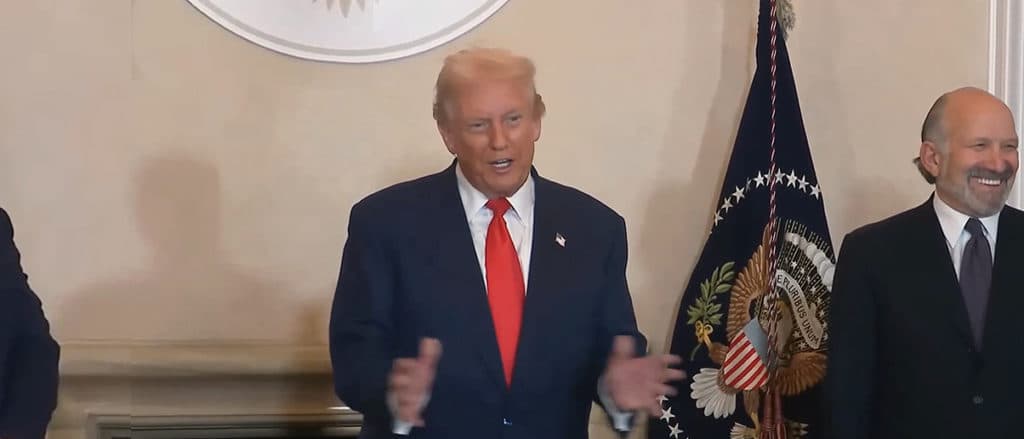
The U.S. and Switzerland have reached a trade deal that will cut tariffs on Swiss goods and increase Swiss investment in America, officials from both countries said Friday.
Duties will be reduced to 15%, the Swiss government said in a statement on Friday, adding that further details will be announced later in the day. The country had previously been hit with a 39% tariff, one of the highest rates applied to any nation under President Donald Trump’s “Liberation Day” tariff regime.
The agreement lands amid an ongoing Supreme Court challenge to many of the tariffs imposed under the Trump administration.
“We’ve essentially reached a deal with Switzerland,” U.S. Trade Representative Jamieson Greer told CNBC on Friday. The deal brings the tariff imposed on Swiss goods in line with the rate placed on imports from the European Union.
“Like all the president’s deals, we keep a tariff,” Greer said. “We retain a tariff on these countries because we have to get the trade deficit under control. But because Switzerland, for example, has agreed to manage its trade surplus with the United States, in terms of making sure that things where they have a trade surplus with us — pharmaceuticals, gold, et cetera — their companies are going to build here, so it’s going to eliminate some of the sources of that surplus.”
Earlier this year, Swiss pharmaceutical giant Roche pledged to invest $50 billion in the U.S.
The Swiss deal follows the administration’s Thursday announcement that it had reached trade deals with Argentina, El Salvador, Guatemala and Ecuador. Those agreements aim to open the four countries’ markets to U.S. goods, address certain non-tariff barriers, and reduce levies on products such as coffee, bananas and cocoa that “cannot be grown, mined, or naturally produced in the United States in sufficient quantities.”
The tariff reductions come amid growing concerns over rising prices and affordability, which Republicans plan to prioritize heading into the 2026 midterms following Democrats’ strong showing in the Nov. 4 election.
Meanwhile, on Nov. 5, the Supreme Court heard arguments over whether Trump exceeded his authority when he imposed the “Liberation Day” tariffs in April, which set a baseline 10% duty on imports with higher country-specific rates. Unlike the tariffs on commodities such as steel and aluminum, the global duties were implemented under the International Emergency Economic Powers Act (IEEPA), which has never before been used to levy tariffs.
Trump has warned of an economic and national security “disaster” if the IEEPA-based tariffs are struck down.
All content created by the Daily Caller News Foundation, an independent and nonpartisan newswire service, is available without charge to any legitimate news publisher that can provide a large audience. All republished articles must include our logo, our reporter’s byline and their DCNF affiliation. For any questions about our guidelines or partnering with us, please contact [email protected].