




On July 23, 2025, the White House released Winning the AI Race: America’s AI Action Plan, following Executive Order 14179. It outlines federal actions under three pillars: (1) accelerating AI innovation, (2) building AI infrastructure, and (3) asserting U.S. leadership globally. Under Pillar 2—infrastructure—the plan calls for a “strategic blueprint for navigating the complex energy landscape of the 21st century,” with clear steps to “stabilize the grid of today, optimize existing grid resources, and grow the grid for the future.”
Why This Matters
We all share the same grid. You’ll need it to work when you turn your lights on and have your Wi-Fi working so you can use AI to do more. We are all connected to the implications of getting this blueprint right.
Right now, that grid is getting old—fast. And it is managed by thousands of different power companies, each with its own rules and ways of doing things. This leads to a lot of uncoordinated action whenever we try something new at a national level. With AI at our door, we have to unify, so a blueprint for success set at a national stage can enable the grid to work for everyone – homes, businesses, steel mills, hospitals, and AI computing sites that support all of society.
A Roadmap To Help AI And People Using AI
First, we should give people and businesses new ways to create their own electricity and sell it back. Take a neighborhood where homes generate their own power from solar panels, batteries, or small generators. When they have extra energy, they could sell it back to the grid. This frees up the big grid for factories, hospitals, and schools that need more electricity.
President Trump talked about this in Pittsburgh, saying, “You build your own electric plant… I’m going to let you build… you’re going to make your electricity… you can sell it back in… you’ll even make money from the electric business.”
Second, we need more freedom in choice and changes in local rules that can allow our AI companies and communities to get energy in new ways. Check out the work from Consumer Regulated Electricity; they argue we need to allow more independent energy producers. They say our current rules, written over 100 years ago, are holding us back from innovating at the speed we need today.
Third, we need to do more of what already works. One of the “off-grid” models often discussed is called a “microgrid.” Your power company could build and maintain these smaller systems and let businesses buy and sell the electricity within them. This approach lets power companies make money in new ways, and you get electricity from closer sources at a cheaper overall price.
Fourth, extend the life of the grid components we have already built, and let them serve more people and more industry to bring down the delivery price. A power bill includes very high charges for delivery. Similarly, your power bill covers many layers of cost beyond making power.
Fifth, large investment firms put money into power companies and lots of other parts of the whole ecosystem that keeps your lights on. A couple have tried buying local power companies to shake things up.
Sixth, is solving how we keep the lights on every minute of every day. When you flip a switch, power must instantly flow into your home. Factories and AI data centers running complex processes require even larger amounts of power very quickly. It is not about the total volume of electricity in the tank – but the accessibility of it, instantly. Investing in that accessibility is key.
Seventh, we can drop the technology-picking and instead pick up an abundance mindset. Energy flows in huge quantities when the sun shines– and the cost of storing it and using it the rest of the time is going down. And we are figuring out ways to keep our natural gas plants going longer (and some people are trying to figure out how to keep coal plants going longer too). We should upgrade everything we have built already. Clean it up, improve performance.
We Have To Solve Energy For AI So That AI Can Solve Electricity Affordability
AI itself can help us execute a blueprint that helps us solve the challenge of the grid for everyone: automate grid analyses that once took teams of engineers months to complete, model thousands of grid upgrades in minutes, and predict where outages will strike before they happen. So, these recommendations are a call to action: build this blueprint around people, and we will see AI dominance and prosperity.
Arushi Sharma Frank has worked on natural gas, electric power, batteries, solar, and advanced technology solutions across multiple sectors of the U.S. economy . She teaches at Johns Hopkins University in Washington D.C. , writes research and policy commentaries on AI and Energy, and designs power grid solutions that promote community participation and smart investment outcomes. Follow her on X.
The views and opinions expressed in this commentary are those of the author and do not reflect the official position of the Daily Caller News Foundation.
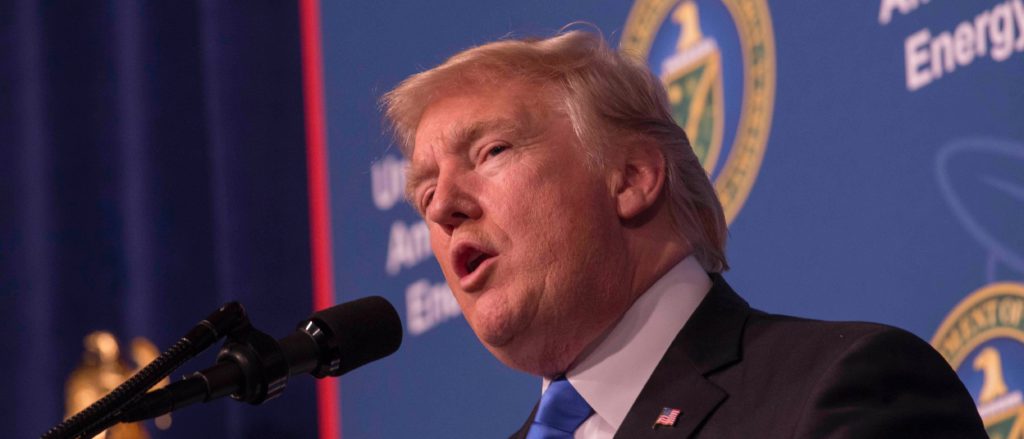
(Featured Image Media Credit: Photo Simon Edelman, Energy Department)
All content created by the Daily Caller News Foundation, an independent and nonpartisan newswire service, is available without charge to any legitimate news publisher that can provide a large audience. All republished articles must include our logo, our reporter’s byline and their DCNF affiliation. For any questions about our guidelines or partnering with us, please contact [email protected].