




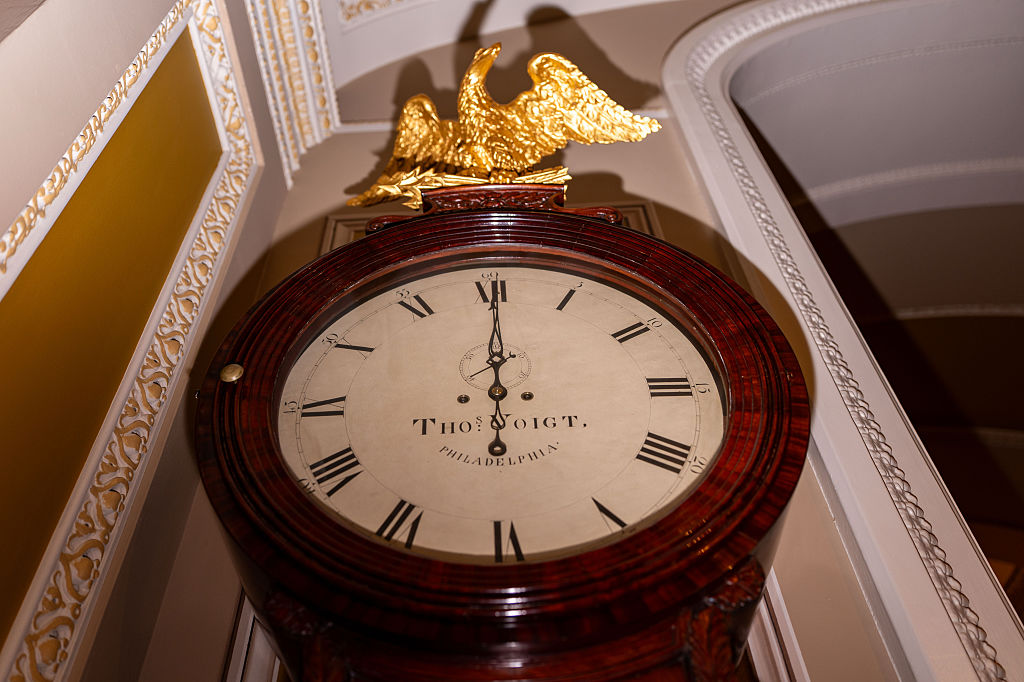
As of midnight Wednesday, the U.S. government officially shut down.
The shutdown went into effect after congressional leaders from both sides of the aisle could not reach a deal on a stopgap spending bill, The Hill reported.
There were two stopgap funding measures up for vote — both of which were voted down.
A “clean” bill was offered by Republicans; the other was packed with priorities set forth by Democrats.
Now, the two sides are blaming each other for the stalemate.
“The Democrat caucus here in town in the Senate has chosen to shut down the government over a clean, nonpartisan funding bill. That’s right — a clean, nonpartisan funding bill,” Senate Majority Leader John Thune (R-S.D.) said.
“Senate Democrats said ‘no.’ Because far left interest groups and far left Democrat members wanted a showdown with the president.”
Senate Minority Leader Chuck Schumer (D-N.Y.) offered the opposing view.
“Republicans are plunging America into a shutdown—rejecting bipartisan talks, pushing a partisan bill, and risking America’s healthcare, worst of all,” Schumer (D-N.Y.) told reporters. “They’ve got to sit down and negotiate with Democrats to come to a bill that both parties can support.”
This marks the fourth government shutdown in the 21st century. It is the first since 2019 when a fight over funding for the border wall funding resulted in a 35-day shutdown — the longest in U.S. history.
The shutdown is expected to result in furloughs and potential of firings for some government workers involving several agencies and departments.
“Affected agencies should now execute their plans for an orderly shutdown,” the Office of Management and Budget (OMB) said in a memo on Tuesday night.” It was “unclear” how long it will last.
“Redgardless, employees should report to work for their next regularly scheduled tour of duty to undertake orderly shutdown activities,” OMB added.
OMB said it would issue another memo later on Wednesday. The Senate sent out a note to top staffers regarding shutdown guidance for its offices.
Democrats have insisted the stopgap bill include a provision to extend the enhanced Affordable Care Act subsidies.
Republicans have refused to include the credits in government funding negotiations. The tax credits are due to expire at the end of the year. This is expected to cause an increase in health insurance premiums.












