



Britain’s government is stepping into a growing feud between the BBC and President Donald Trump after the former president threatened to sue the broadcaster over its editing of his post-2020 election speech.
According to The Associated Press, Culture Secretary Lisa Nandy was expected to address Parliament on Tuesday about what critics have called a “crisis of credibility” at the BBC. The controversy has already cost the jobs of two top executives, Director-General Tim Davie and Head of News Deborah Turness, both of whom resigned after the broadcaster admitted to “misleading editing.”
The dispute centers on the 2024 documentary Trump: A Second Chance?, which aired just before the U.S. election. The program stitched together portions of Trump’s Jan. 6, 2021, speech — delivered before the Capitol riot — to make it appear that he was directly urging his supporters to “fight like hell” and march with him. Missing from the broadcast was a line in which Trump explicitly called for a peaceful demonstration.
BBC Chair Samir Shah acknowledged that “the way the speech was edited did give the impression of a direct call for violent action.” The broadcaster has since apologized for the “error of judgment.”
Trump’s attorney, Alejandro Brito, has demanded a retraction, apology, and “appropriate compensation” by Friday or face a $1 billion defamation lawsuit. The letter from his Florida-based legal team accused the BBC of publishing “false, defamatory, disparaging, and inflammatory statements.”
Davie, in a final statement to staff before stepping down, defended the broadcaster’s mission but admitted serious missteps. “We have made some mistakes that have cost us,” he said. “I think we’ve got to fight for our journalism.”
The scandal has reignited a long-running debate about the BBC’s political neutrality and its funding through the £174.50 ($230) annual license fee. Critics on the right accuse it of liberal bias, while some on the left say it has bent to conservative pressure.
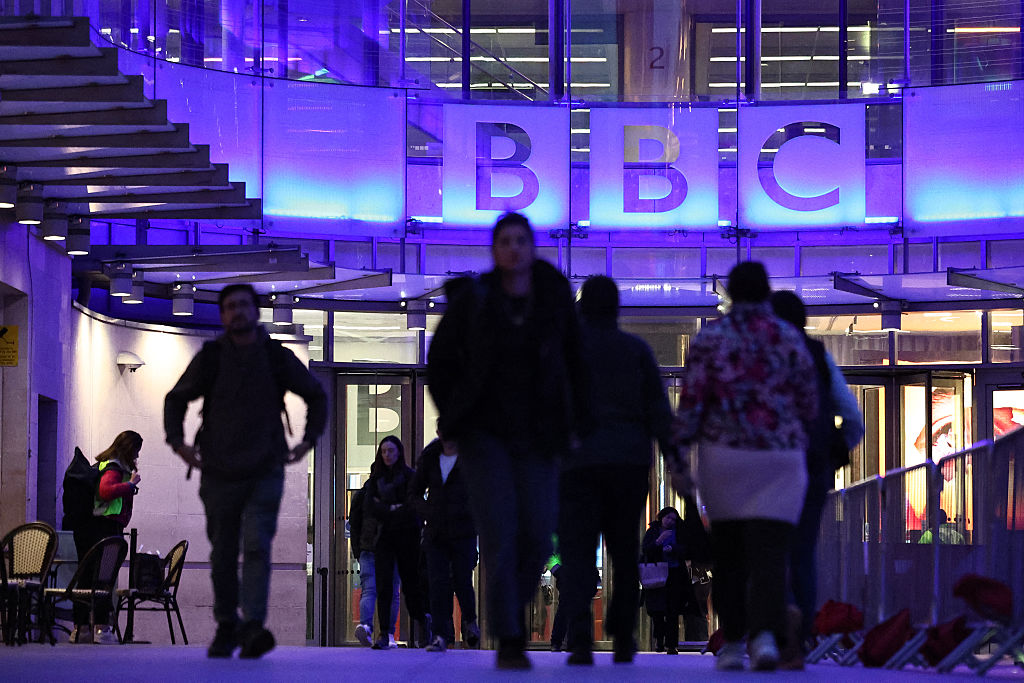
Public reaction near the BBC’s London headquarters was mixed. “They need to get their organization sorted so that in the future we can look at the BBC with confidence,” said retiree David Abraham. Another viewer, Amanda Carey, called the editing “something that should never have happened,” adding that trust in the broadcaster “is very much waning.”
The Labour-led government has voiced cautious support for the BBC while emphasizing accountability. “If they’ve made an editorial mistake, then they should apologize,” said Local Government Minister Alison McGovern.
For now, Britain’s most famous broadcaster faces not just a legal battle with a former U.S. president — but a fight for its own credibility.












