



A coalition of Alaska Native tribes and environmental groups has filed multiple lawsuits against the federal government, seeking to overturn a land swap that would allow construction of a road through the Izembek National Wildlife Refuge, one of the state’s most sensitive ecosystems.
According to The Associated Press, the legal challenges — at least three separate suits filed Wednesday — target a land exchange deal approved last month by Interior Secretary Doug Burgum and the King Cove Corporation, an Alaska Native village corporation.
The plaintiffs argue the agreement violates environmental review laws and threatens critical migratory bird habitats that are essential for subsistence hunting and food security in Alaska Native communities.
The small community of King Cove, home to about 870 residents, has pushed for decades to build a roughly 19-mile road through the federally protected refuge to reach an all-weather airport in Cold Bay, 18 miles away.
Alaska’s governor and congressional delegation back the plan, calling it a public safety necessity for emergency medical evacuations, since King Cove’s airstrip often closes in severe weather and rough seas can make travel by boat perilous.
Under the deal, the Interior Department would transfer about 490 acres of federal land to King Cove Corp. for the road corridor, while the corporation would return roughly 1,739 acres to the refuge and give up claims to other parcels.
The decision leaves it to the corporation to secure funding and permits for the project.
But conservation and tribal groups say the government’s approval ignored the broader environmental and cultural implications.
One lawsuit was filed by the Native Village of Hooper Bay, Native Village of Paimiut, Chevak Native Village, and the Center for Biological Diversity. These tribes, located hundreds of miles north of King Cove, say the road could disrupt migratory routes for species vital to their way of life.
“The refuge’s eelgrass wetlands are a lifeline for emperor geese, black brant and other birds that feed our families and connect us to Indigenous relatives across the Pacific,” said Angutekaraq Estelle Thomson, traditional council president of the Native Village of Paimiut.
“Defending Izembek is inseparable from defending our subsistence rights, our food security and our ability to remain Yup’ik on our own lands.”
Additional lawsuits were filed by Trustees for Alaska, representing a coalition of conservation organizations, and by Defenders of Wildlife.
An Interior Department spokesperson, Elizabeth Peace, said the agency does not comment on pending litigation.
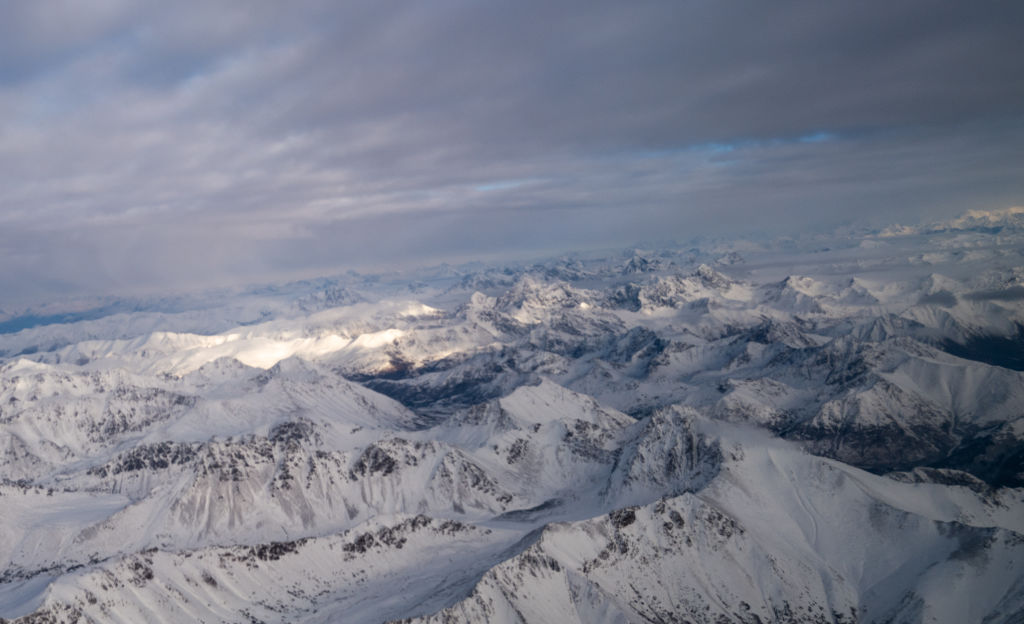
The Izembek National Wildlife Refuge, located on Alaska’s remote Aleutian Peninsula, is a globally important habitat for migratory birds and marine life.
Environmentalists have long argued that building a road through it would set a dangerous precedent, opening the door to development in other protected areas.
Supporters counter that the project would save lives. Opponents say it risks destroying a fragile ecosystem that has sustained Native communities for generations — setting the stage for another high-stakes environmental battle in Alaska’s courts.