



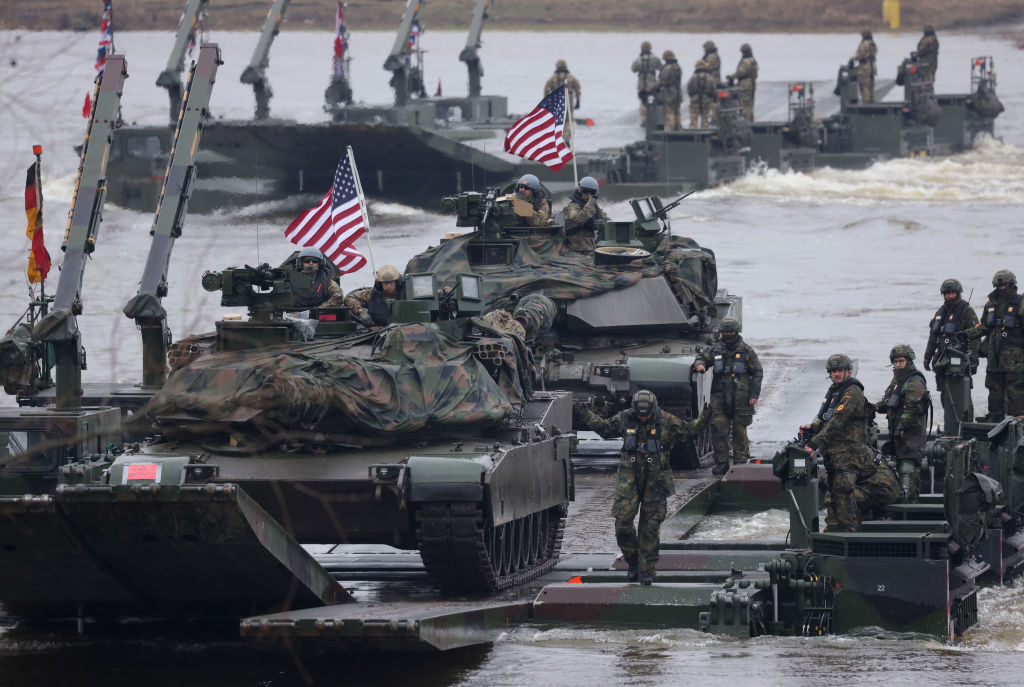
A major defense deal on Capitol Hill is set to keep U.S. troop levels steady in Europe and South Korea, shutting down any near-term plans for major reductions and delivering long-sought reassurance to allies who had grown nervous about shifting American policy.
According to Fox News, the agreement, part of the 2026 National Defense Authorization Act released Sunday night, lays out strict limits on how far the Pentagon can go in cutting forces overseas.
Lawmakers wrote the provisions after months of speculation that defense officials were weighing drawdowns in key regions.
Under the bill, the U.S. cannot dip below 76,000 personnel in Europe unless military leaders provide Congress with a detailed assessment and certify that NATO security wouldn’t be compromised.
A similar safeguard applies to South Korea, where troop levels cannot fall beneath 28,500 without assurances that deterrence against North Korea would remain intact and that regional partners had been fully consulted.
The legislation goes further by writing into law the long-standing American hold on NATO’s top military role, requiring the U.S. to retain the post of Supreme Allied Commander Europe.
Those provisions arrive after reports suggesting the Pentagon had at least considered changes — including giving up the SACEUR position — as part of a broader push for allies to strengthen their own defenses. Whether those discussions represented real planning or simply leverage, U.S. officials have recently moved to calm concerns.
European officials told Fox News Digital that during meetings last week, American national security leaders reaffirmed that Washington has no imminent plans for a significant pullback.
They said the U.S. intends to keep SACEUR but may offer other senior NATO military positions to European partners.
“We’ve been very clear in the need for Europeans to lead in the conventional defense of Europe,” Pentagon press secretary Kingsley Wilson said. “We are committed to working through NATO coordination mechanisms to strengthen the alliance and ensure its long-term viability as European allies increasingly take on responsibility for conventional deterrence and defense in Europe.”
Still, allies have been watching U.S. moves closely. When the Army withdrew a rotating brigade from Romania earlier this year, some feared it could signal a broader shift away from NATO’s eastern flank. The NDAA appears designed to silence that speculation.
Congress plans to fast-track the annual bill, which outlines Pentagon spending and policy priorities. Lawmakers aim to send it to the president before Christmas.
The legislation also includes $400 million over two years for the Ukraine Security Assistance Initiative and sets rules for when the Pentagon can reclaim U.S.-funded equipment intended for Ukraine but not yet delivered.
Repossession would be allowed only when the equipment is urgently required for an ongoing or imminent U.S. operation, and withholding it would risk loss of life or mission failure.
That language follows the Pentagon’s earlier pause on certain deliveries to Kyiv.
Over the weekend, War Secretary Pete Hegseth praised South Korea and several European nations as partners who consistently shoulder their share of the burden.
“Model allies that step up, like Israel, South Korea, Poland, increasingly Germany, the Baltics and others, will receive our special favor,” he said at the Reagan National Defense Forum. “Allies that still fail to do their part for collective defense will face consequences.”
With Congress locking in troop levels and pressing partners to carry more weight, the defense landscape in both Europe and Asia is poised for a recalibration — but not a retreat.