



Federal authorities are sounding alarms across the academic community after a post-doctoral researcher was charged with allegedly smuggling E. coli into the United States and lying to investigators about it — the latest in a string of cases involving biological materials brought into the country under false pretenses.
According to Fox News, the researcher, identified as Youhuang Xiang, was in the U.S. on a visa when investigators say he received and concealed the biological agent shipped from China. Federal officials have not named the university involved.
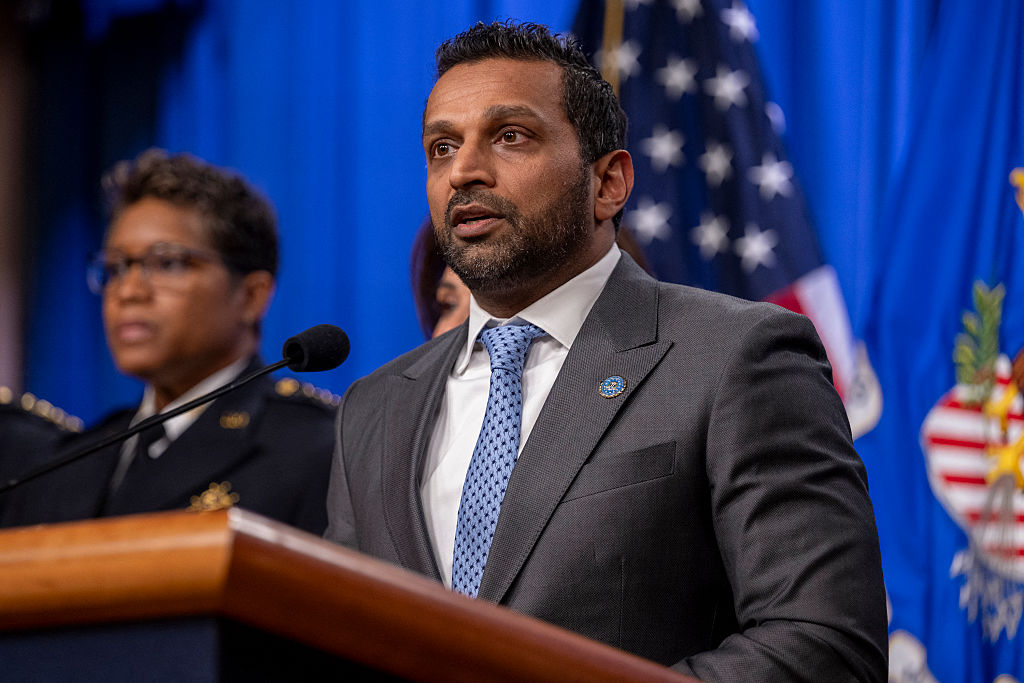
FBI Director Kash Patel announced the charges on Friday, saying Xiang knowingly violated federal guidelines designed to protect American agriculture and research.
“This is yet another example of a researcher from China, given the privilege to work at a U.S. university, who then allegedly chose to take part in a scheme to circumvent U.S. laws and receive biological materials hidden in a package originating from China,” Patel wrote on X.
He warned the material posed serious potential risks, even if not weaponized.
“If not properly controlled, E. coli and other biological materials could inflict devastating disease to U.S. crops and cause significant financial loss to the U.S. economy,” Patel said.
Patel credited the FBI’s Indianapolis and Chicago offices, along with U.S. Customs and Border Protection, for intercepting the shipment and uncovering the alleged scheme. He also urged universities nationwide to take notice.
“Ensure your researchers know that there is a correct and legal way to obtain a license to import/export approved biological materials, and it must be followed without exception,” Patel said.
The case comes amid heightened scrutiny of biological imports following multiple enforcement actions since the Trump administration began tightening immigration oversight in early 2025.
In November, the Justice Department charged three Chinese scholars — Xu Bai, 28, Fengfan Zhang, 27, and Zhiyong Zhang, 30 — with conspiring to smuggle biological materials into the U.S. while working in a University of Michigan lab. Authorities said the group received concealed shipments of roundworm-related substances from a contact in Wuhan, China, and misled customs agents to get the materials into the country.
Attorney General Pam Bondi called that effort a threat to national and agricultural security, saying, “Allegedly attempting to smuggle biological materials under the guise of ‘research’ is a serious crime that threatens America’s national and agricultural security.”
The individual who sent the materials — a former Michigan researcher named Chengxuan Han — had already been convicted of smuggling and making false statements before being removed from the U.S.
Earlier this year, a separate case drew attention at Boston Logan International Airport, where authorities detained Harvard University researcher Kseniia Petrova after discovering undeclared frog embryos. She was later released.
The Department of Homeland Security said she was “lawfully detained” after lying to officers about the samples, noting the discovery of “petri dishes, containers of unknown substances, and loose vials of embryonic frog cells, all without proper permits.”
With Xiang now facing charges of his own, federal officials say the message is clear: research programs operating in the U.S. must follow strict import rules — or face serious consequences.
This is a developing story. Check back for updates.












