



What began as a sprawling investigation into suspicious billing around Minnesota’s social-services programs has widened into what federal prosecutors now describe as an unprecedented, industrial-scale operation.
According to the New York Post, officials revealed Thursday that the total amount allegedly stolen could reach $9 billion — a staggering jump from early estimates and a figure that has fueled intense political scrutiny across the state.
That number represents nearly half of the $18 billion in federal funds administered through Minnesota social-services programs since 2018. Prosecutors say the bulk of the scams were tied to false claims submitted by individuals who established nonprofits and aid businesses, many of them within the state’s Somali community.
First Assistant U.S. Attorney Joe Thompson described the scope as unlike anything investigators expected.
“The magnitude cannot be overstated,” he said. “What we see in Minnesota is not a handful of bad actors committing crimes. It’s staggering, industrial-scale fraud. Every day, we look under a rock and find a new $50 million fraud scheme.”
The latest charges were announced Thursday against six additional suspects, bringing the total number of defendants to 92. Thompson said two of those charged — Anthony Waddell Jefferson, 37, and Lester Brown, 53 — traveled from Philadelphia to Minnesota, allegedly to capitalize on what prosecutors called “fraud tourism.”
Authorities say the pair posed as legitimate housing advocates, visited shelters and affordable housing communities to bolster their image, then filed $3.5 million in claims through the state’s Housing Stability Services Program.
Another defendant, Abdinajib Hassan Yussuf, 27, allegedly launched a youth autism foundation that prosecutors say did not provide the services it claimed. Instead, investigators say Yussuf paid parents to enroll their children regardless of diagnosis and then billed the state for nonexistent therapy. The foundation received about $6 million.
A separate medical aid scam alleged against 28-year-old Asha Farhan Hassan reportedly resulted in $14 million in false claims. Prosecutors say Hassan also received nearly $500,000 connected to Feeding Our Future, the food-aid program central to the earliest fraud allegations.
“Roughly two dozen or so Feeding Our Future defendants were getting money from autism clinics,” Thompson said. “That’s how we learned about the autism fraud.”
Authorities say the first signs of impropriety surfaced in 2022, when Feeding Our Future came under review. Since then, prosecutors say the full picture has grown more alarming — with money routed overseas or spent on luxury purchases, and with new schemes emerging as investigators dig deeper.
To date, 57 defendants have been convicted.
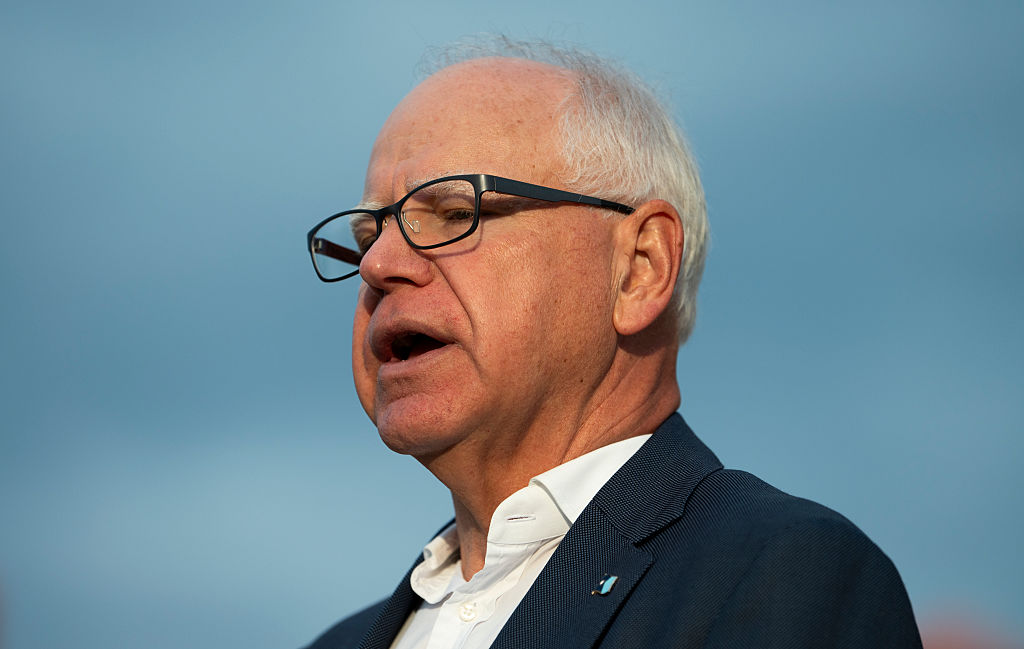
The widening case has intensified pressure on Minnesota Gov. Tim Walz, who has faced criticism over state oversight. Walz defended his administration on Thursday.
“We will not tolerate fraud, and we will continue to work with federal partners to ensure fraud is stopped and fraudsters are caught,” he said.
Political fallout has grown beyond state lines, with national voices seizing on the scandal. President Donald Trump sharply criticized Walz and the Somali community in November.
As federal officials pursue remaining defendants, prosecutors say the final scope remains unknown — but each new development points to a fraud network far bigger than early investigators imagined.