



President Trump’s vision of American energy dominance is rapidly taking shape, promising a future of abundant, affordable power that fuels innovation while shielding everyday consumers from skyrocketing bills. By unleashing domestic production —oil, natural gas, nuclear, and more — Trump is reversing Biden-era policies.
Policies that stifled energy supply drove up costs and closed perfectly good reliable, low-cost coal plants and required spending huge amounts on wind, solar, and transmission wires. They have to be paid for, which causes electricity price increases and shortages of reliable electricity generation.
A prime example is Meta’s recent nuclear power agreements, announced in January 2026, with Constellation Energy, Vistra, Oklo, and TerraPower. These deals secure gigawatts of reliable, carbon-free baseload power for Meta’s AI operations, including restarts of existing reactors and deployments of small modular reactors (SMRs) by the early 2030s. Paid for by Meta, not other electricity users.
Nuclear provides 24/7 energy, aligning perfectly with Trump’s “all-of-the-above” strategy and AI’s need for 100% reliable electricity. Something that intermittent wind and solar cannot deliver.
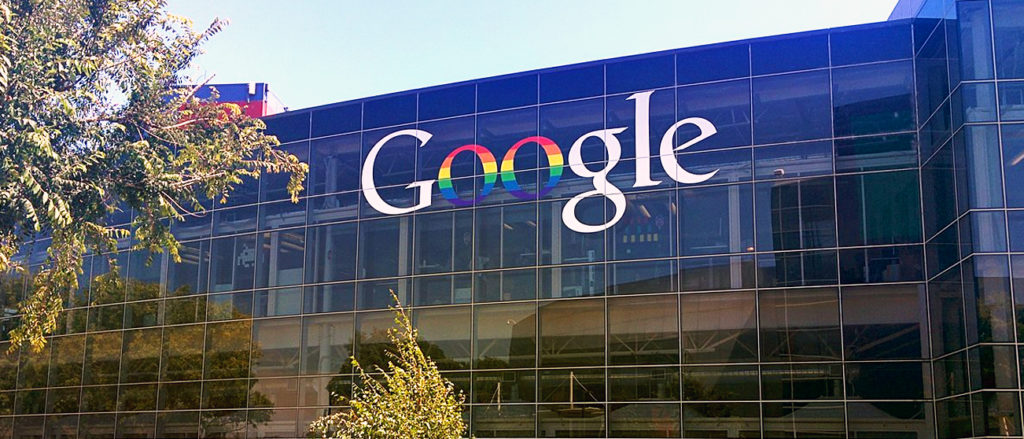
In the last two years alone, data center giants like Microsoft, Amazon, and Google have inked at least eight similar nuclear pacts, like Microsoft’s revival of Three Mile Island. These initiatives not only bolster U.S. technological dominance but also demonstrate how private investment can expand capacity without taxpayer subsidies.
Yet the renewable energy lobby is quick to scapegoat AI data centers for rising rates, deflecting from the real culprit: overreliance on part-time wind and solar. Wherever these sources have scaled massively — California, Germany, the United Kingdom—electricity prices have doubled or tripled compared to regions with balanced mixes.
Biden’s premature closures of coal plants, often before their useful life ended, forced utilities to replace full-time power with unreliable alternatives, leading to grid instability and higher costs. Data centers do contribute to demand surges — projected to consume 6-12% of U.S. electricity by 2030 — but most of the blame lies in policies that failed to build sufficient baseload ahead of time and relied on intermittent sources.
AI and cloud storage are vital to America’s future, essential for national security and economic edge. We cannot cede this ground to China, which has brazenly stolen U.S. intellectual property, deployed aggressive global tactics, and threatened Taiwan with force.
Beijing’s massive military buildup, including advanced drones, underscores the stakes: losing AI leadership could jeopardize our defenses, our economy, and our future as a free country. Trump rightly prioritizes domestic AI growth and insists data centers “pay their own way.”
In a January 2026 Truth Social post, he declared that big tech must cover their power needs fully, preventing ordinary Americans from footing the bill for grid upgrades or new plants. This directive goes seamlessly with energy dominance. By making hyperscalers like Meta fund infrastructure through special tariffs, upfront payments, or dedicated generation ensures costs aren’t socialized. That others don’t have to pay for data centers owned by highly profitable companies.
States are already acting Virginia’s new GS-5 rate class (effective 2027) requires large users to pay 85% of distribution costs; Ohio mandates minimum demand charges; and North Carolina’s Rate Protection Act bars utilities from shifting data center expenses to retail customers. These don’t go far enough. State legislatures should require data centers to cover 100% of the costs caused by them, so others don’t pay.
Data center demand bids up Regional Transmission Organization (RTO) prices, like PJM’s 833% capacity auction spike in 2025-2026, which added billions in costs passed on to households. To meet timelines for technological dominance —adding 10-50 GW in the U.S. by 2030 — data centers need accelerated permitting reforms, as outlined in Trump’s executive orders. States need to act too to make this happen.
Streamlining approvals for nuclear restarts, gas plants, and transmission lines could halve delays from five-10 years. Public-private partnerships, like Meta’s nuclear bundle, must expand, with tech firms building or leasing dedicated generation to avoid RTO and regulator bottlenecks.
Federal incentives for SMRs will further this goal, ensuring energy abundance lowers overall prices rather than increasing them. Ultimately, this approach benefits everyone.
Then data centers become good neighbors, boosting local taxes and jobs without hiking electricity rates. Communities will welcome them, knowing their utility bills won’t climb due to unchecked demand and their property tax bills will benefit. Trump’s fusion of energy and tech policies charts a course for dominance: powering AI innovation while keeping power affordable for all Americans.
Frank Lasee is the president of Truth in Energy and Climate and a former Wisconsin state senator.
The views and opinions expressed in this commentary are those of the author and do not reflect the official position of the Daily Caller News Foundation.
(Featured Image Media Credit: Grendelkhan/Wikimedia Commons)
All content created by the Daily Caller News Foundation, an independent and nonpartisan newswire service, is available without charge to any legitimate news publisher that can provide a large audience. All republished articles must include our logo, our reporter’s byline and their DCNF affiliation. For any questions about our guidelines or partnering with us, please contact [email protected].