



The fight over how much control the federal government should have over Americans’ vehicles erupted on Capitol Hill this week, after dozens of Republicans sided with Democrats to block an effort aimed at dismantling a controversial Biden-era policy.
According to Fox News, on Thursday, 57 House Republicans joined the vast majority of Democrats to defeat an amendment that would have rolled back a federal mandate tied to the development of technology allowing vehicles to be disabled if a driver is deemed impaired.
The amendment, offered by Rep. Thomas Massie, R-Ky., failed by a 164-268 vote.
The proposal sought to undo requirements directing federal regulators to move forward with so-called “kill switch” technology, a term critics use to describe systems that could limit or prevent vehicle operation. Massie’s amendment did not advance, ensuring the underlying mandate remains intact for now.
Had it passed, the amendment would have been incorporated into a sweeping funding package covering the departments of War, Housing and Urban Development, Transportation, and Health and Human Services.
That larger bill went on to clear the House later Thursday with broad bipartisan support, passing by a 341-88 vote.
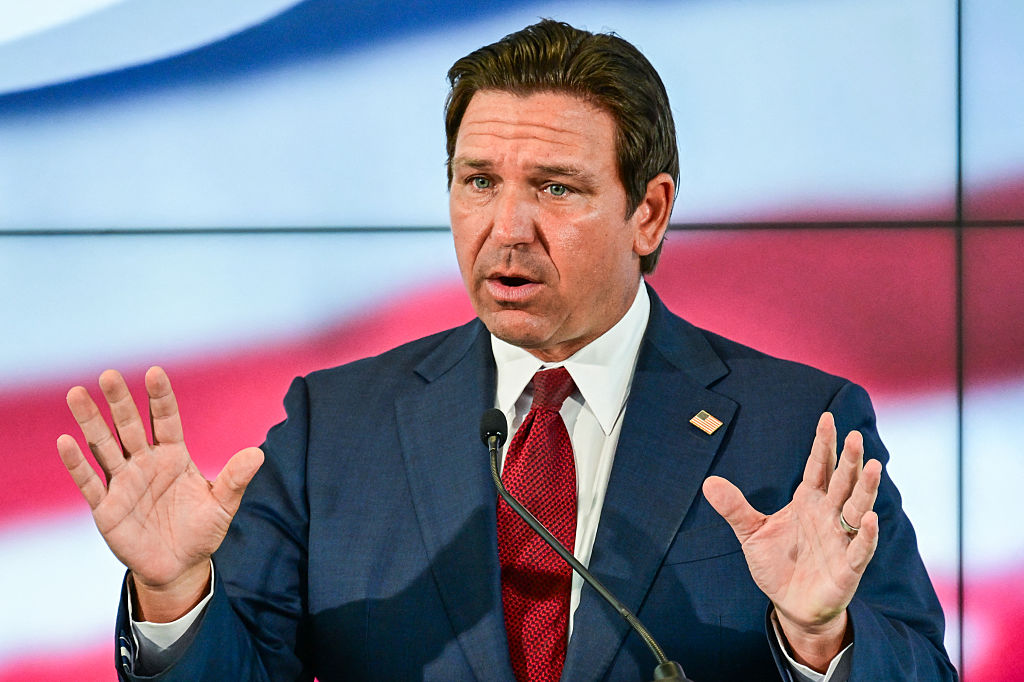
The failed amendment quickly drew sharp criticism from conservative figures, including Florida Gov. Ron DeSantis.
In a post to X, DeSantis denounced the vote and warned of its broader implications.
“The idea that the federal government would require auto manufacturers to equip cars with a ‘kill switch’ that can be controlled by the government is something you’d expect in Orwell’s 1984,” DeSantis wrote, invoking the dystopian novel by George Orwell.
Massie introduced his amendment in response to language already on the books under the Biden-era Infrastructure Investment and Jobs Act.
That law instructed the National Highway Traffic Safety Administration (NHTSA) to develop standards requiring automakers to address impaired driving through new technology.
According to the statute, the system would “passively monitor the performance of a driver of a motor vehicle … and prevent or limit motor vehicle operation if impairment is detected.”
Although the law set a November 2024 deadline for the rule’s development, NHTSA has not yet issued a final requirement.
In a report to Congress, the agency said it was working “diligently” to refine the technology.
“NHTSA is continuing to review technology for the ability and potential to detect driver impairment,” the agency wrote, noting ongoing collaboration with industry partners and challenges distinguishing intoxication from drowsiness or distraction.
Massie, however, warned that the issue is far from resolved.
“The looming Orwellian automobile kill switch deadline threatens civil liberties,” he wrote. “When your car shuts down because it doesn’t approve of your driving, how will you appeal your roadside conviction?”












