



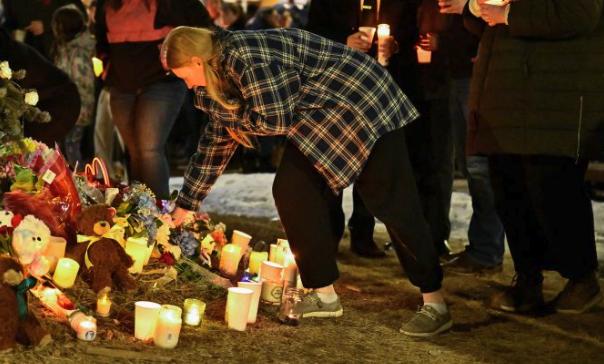
Canada is reeling after one of its deadliest school attacks in recent memory. Authorities identified the 18-year-old suspect as Jesse Van Rootselaar, a biologically male former student who reportedly began transitioning years ago. The horror of the attack has left families shattered and a community in mourning.
But almost immediately, another battle ignited — not over the facts of the crime itself, but over how those facts are discussed.
Several major outlets chose language that avoided referencing the suspect’s biological sex. Critics say that approach reflects a broader pattern in media coverage when violent suspects identify as transgender. Supporters argue it’s a matter of respecting identity and preventing backlash against a marginalized group. The clash underscores a deep cultural divide that shows no sign of cooling.
This tragedy is not unfolding in isolation. In recent years, several high-profile attacks have involved suspects who identified as transgender or struggled with gender identity. The Nashville Christian school shooting remains one of the most widely cited examples. Other incidents have drawn scrutiny for similar reasons.
A big problem with the Drugs and Mental problems these people have. I don’t give a damn what you call me.
The media need to stop gaslighting us about the reality of Trans Mass Shooters. Documented Proof
Cuckoo for Cocoa Pops https://t.co/VsAQ7XdhXc— Daniel Thornton (@Panamadan61) February 12, 2026
For some commentators, the pattern raises uncomfortable questions about mental health, social isolation, and whether warning signs are being missed. They argue that when identity politics becomes untouchable territory, serious discussions about psychological distress are sidelined. They contend that shielding certain topics from scrutiny may hinder a full understanding of risk factors in extreme acts of violence.
On the other side, advocates caution against drawing sweeping conclusions from a limited number of cases. They emphasize that transgender individuals make up a small percentage of the population and are statistically far more likely to be victims of violence than perpetrators. They warn that framing isolated incidents as evidence of a broader trend risks unfair stigma.
What is clear is that conversations around gender identity and mental health have grown increasingly charged. Professionals who question prevailing treatment models sometimes report professional backlash. Activists counter that affirming care is evidence-based and lifesaving. Meanwhile, lawmakers in both the United States and Canada continue to debate policies related to minors, medical interventions, and parental rights.
Transgender ex-student has been identified as a suspect in Canada school shooting that left at least 9 dead.
NY Post opinion writer Bethany Mandel demands the media to, “stop gaslighting us about the reality of trans mass shooters.”
@kayleighmcenany: “We need to start having… pic.twitter.com/sttMwNFOyoShould media reference a suspect's biological sex in coverage of violent crimes?— Outnumbered (@OutnumberedFNC) February 12, 2026
In the wake of this latest tragedy, grief should be the focus. But the broader cultural fight refuses to stay in the background.
Critics accuse the media of minimizing relevant details to avoid controversy. Others insist that focusing on a suspect’s transgender identity distracts from larger issues like access to weapons, online radicalization, and systemic mental health failures.
The result is a public square where nearly every fact becomes a flashpoint.
As families in British Columbia bury their loved ones, the country faces not only heartbreak but hard questions. How should journalists report on sensitive identity issues? Where is the line between responsible coverage and selective omission? And how can societies address mental health crises without turning entire communities into political symbols?
One thing is certain: every time tragedy strikes, trust in institutions is tested. When people believe information is filtered through ideology, suspicion grows. When communities feel targeted or misrepresented, resentment builds.
In moments like this, transparency and precision matter. So does restraint.
The stakes are no longer limited to one news cycle. They reach into the heart of how modern societies grapple with truth, identity, and accountability — especially when the facts collide with deeply held beliefs.
The post Mainstream Media Unite To Gaslight Public After Canada Mass School Shooting appeared first on Red Right Patriot.