



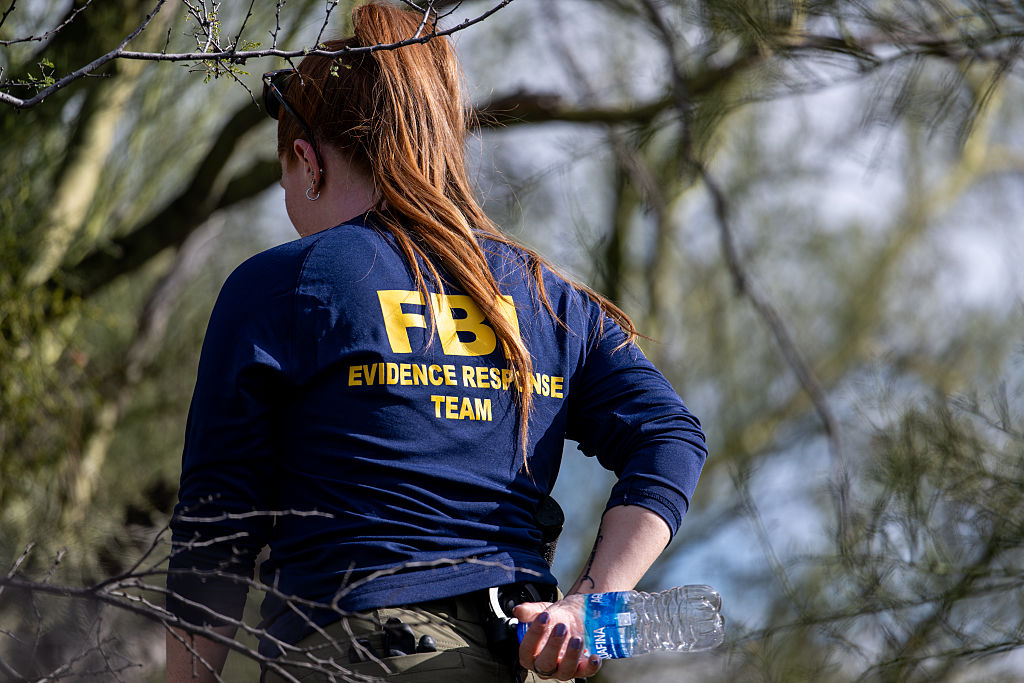
A growing dispute between federal agents and local law enforcement is complicating the investigation into the disappearance of Tucson resident Nancy Guthrie, as key evidence remains out of the FBI’s hands.
According to Fox News, a federal law enforcement source confirmed that Pima County Sheriff Chris Nanos has declined to turn over critical items — including a glove and DNA recovered from Guthrie’s home — for analysis at the FBI’s national crime laboratory in Quantico, Virginia.
Instead, the sheriff has opted to send the materials to a private laboratory in Florida, according to the source and earlier Reuters reporting.
“It risks further slowing a case that grows more urgent by the minute,” the official said, pointing to unspecified “earlier setbacks” in the investigation.
Because the Pima County Sheriff’s Office is the lead agency, federal investigators can only assist when invited.
The source also criticized the department for not requesting FBI help sooner, saying access to federal resources and technology could accelerate progress.
“It’s clear the fastest path to answers is leveraging federal resources and technology. Anything less only prolongs the Guthrie family’s grief and the community’s wait for justice,” the official said.
Roughly $200,000 has been spent by Pima County to send evidence to the private Florida lab, which the department already uses under contract, according to the source.
The disagreement comes as tensions between the FBI and local authorities have begun to surface publicly, with the search approaching the two-week mark.
Earlier this week, both agencies jointly released surveillance footage showing a masked individual approaching Guthrie’s front door shortly before she vanished.
Guthrie disappeared from her Tucson home in the early morning hours of Sunday, Feb. 1, and was reported missing later that day.
Federal officials have since increased the reward to $100,000 for information leading to her recovery or an arrest.
As the investigation continues, the handling of the physical evidence has become a central point of contention — one that officials warn could affect the pace of the case.