





Should the revenues made by big-time college athletics be “shared” by all the schools? Do we want “revenue sharing” socialism to come to college football and basketball? Many in Congress are answering yes to that question.
The NCAAs aren’t massive moneymakers like the NFL and NBA, but in many ways the product is more exciting than the boring professional leagues. That’s especially true in this month of March when the hoops madness begins.
Even with the new “pay to play rules” that have turned college football and basketball into semi-pro leagues—with some star athletes earning more to stay in college than “going pro”—fan interest is higher than ever before. So is the money that the big schools are making.
There are many legitimate complaints about the billions of dollars in TV contracts collected by the supposed “nonprofit” colleges. But keep in mind that the multi-billion-dollar annual TV contracts for college football and basketball help subsidize the cost of all other men’s and women’s sports, from badminton to cross country.
The two mega conferences, the Big Ten and the Southeast Conference tend to dominate viewership and thus money from about $2 billion in TV contracts.
Now Congress has concocted the so-called “Saving College Sports” (SCS) plan, which would create a government “oversight” panel to negotiate media rights on behalf of colleges and conferences across the country. The idea is to share the wealth: bring socialism to the football stadiums and the basketball arena.
But the “SCS” proposal is an idea that only Bernie Sanders could love, and it is likely to generate less revenue for all NCAA men’s and women’s sports.
Advocates warn that under current rules only the big, rich schools get richer and win all the titles.
Wait. Indiana, the losingest team in college football, just won the national championship without one single five-star recruit on the roster. A few years ago tiny Villanova beat all the SEC and Big Ten behemoths to win the NCAA basketball championship.
The legislation also ignores the reality that as the kingpins in the SEC and Big Ten get really rich, the other leagues have seen healthy returns and profits at roughly the same pace. The better the power conferences do, the better the mid-America and Big East conferences do, just at a lower scale. The rules also ensure that smaller conferences are represented in the NCAA tournament and the college football playoffs.
Anything that makes the overall product less attractive hurts all the schools. Given that the games aren’t broken – although some reforms are definitively needed in the NIL and transfer rules – it’s not clear what Congress is trying to fix here.
Socialism and revenue sharing requirements aren’t likely to work in college sports any more than they have in every other industry. At some point Congress should reconsider whether college athletics are “nonprofit activities” that are tax-deductible.
In the meantime, Congress has better things to do than impose price controls and revenue sharing requirements on college sports.
Stephen Moore is a co-founder of Unleash Prosperity and a former Trump economic advisor.
The views and opinions expressed in this commentary are those of the author and do not reflect the official position of the Daily Caller News Foundation.
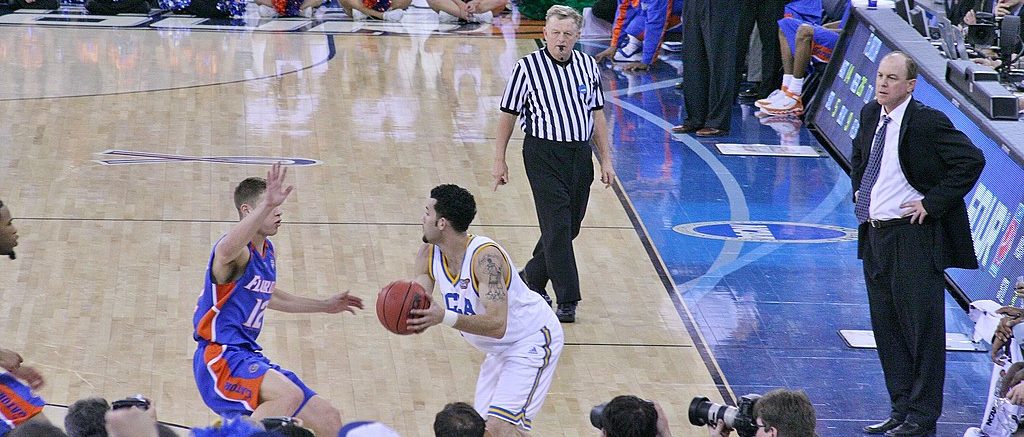
(Featured Image Media Credit: J.M. Rosenfeld, CC BY 2.0 <https://creativecommons.org/licenses/by/2.0>, via Wikimedia Commons)
All content created by the Daily Caller News Foundation, an independent and nonpartisan newswire service, is available without charge to any legitimate news publisher that can provide a large audience. All republished articles must include our logo, our reporter’s byline and their DCNF affiliation. For any questions about our guidelines or partnering with us, please contact [email protected].