



A high-stakes standoff at the United Nations Security Council unraveled Tuesday after two global powers blocked a resolution aimed at easing tensions in one of the world’s most critical shipping lanes.
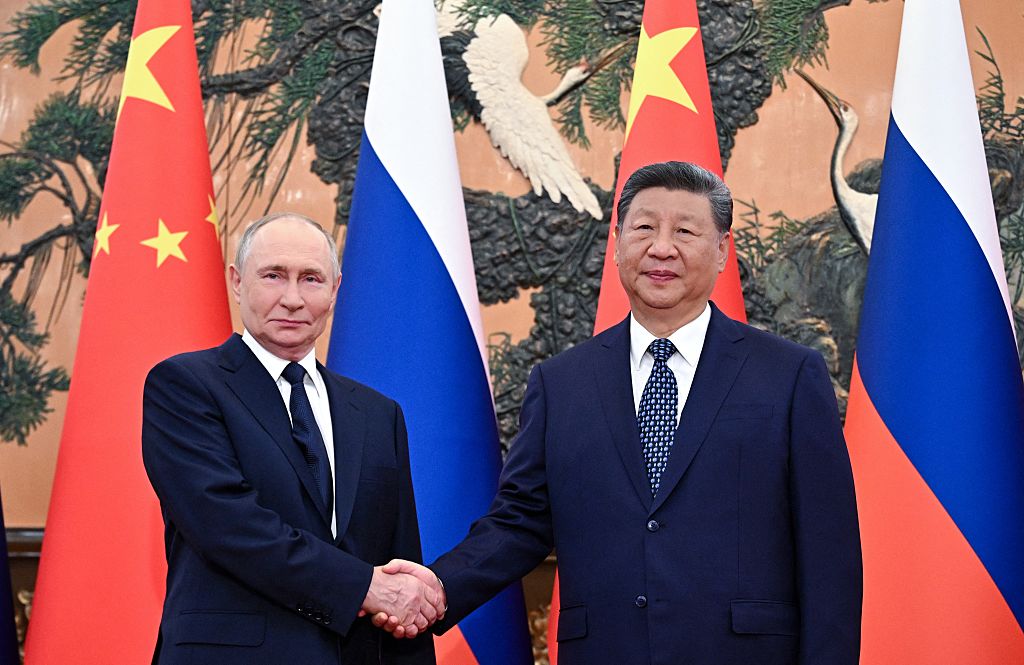
According to Fox News, Russia and China vetoed the measure just hours before President Donald Trump’s deadline for Iran to stop threatening traffic through the Strait of Hormuz.
Trump has warned Iran it must reopen the vital waterway by 8 p.m. ET or face potential strikes targeting infrastructure, including power plants and bridges.
The resolution, introduced by Bahrain, secured 11 votes in favor but was ultimately blocked by the two vetoes. Pakistan and Colombia abstained.
U.S. Ambassador Mike Waltz sharply criticized the outcome.
“No one should tolerate that they are holding the global economy at gunpoint, but today, Russia and China did tolerate,” Waltz said. “They sided with a regime that seeks to intimidate the Gulf into submission, even as it brutalizes its own people during a national internet blackout for daring to imagine dignity or freedom.”
Reuters also reported that Bahrain’s foreign minister, Abdullatif bin Rashid Al Zayani, warned of the broader implications.
“Failing to adopt this resolution sends the wrong signal to the world, to the people of the world — the signal that the threat to international waterways can pass without any decisive action by the international organization responsible for the maintenance of international peace and security,” he said.
The proposal had already been significantly watered down to avoid a veto. Early drafts included language authorizing “all necessary means,” a phrase often interpreted as permitting the use of military force.
That language was later softened to allow only defensive measures and ultimately stripped of any explicit authorization for action by the Security Council.
Despite those concessions, opposition remained.
Iran’s ambassador to the U.N., Amir Saeid Iravani, blasted the measure after the vote.
“Let me be clear — this text would only embolden the United States and the Israeli regime to continue in their unlawful actions and atrocious crimes, while shielding from accountability,” he said.
Back in Washington, White House press secretary Karoline Leavitt underscored the urgency of the moment.
“The Iranian regime has until 8 p.m. Eastern Time to meet the moment and make a deal with the United States,” she told Fox News. “Only the president knows where things stand and what he will do.”
With the clock ticking and diplomatic efforts stalled, the failed vote has intensified uncertainty over what comes next.