



Consumer confidence plunged to a record low on Friday as the economic fallout from the war in Iran continued.
The University of Michigan’s consumer sentiment index recorded its lowest reading on record, dropping to 47.6, down 10.7% from the month prior. The decline in consumer sentiment was attributed to anxieties surrounding the war in Iran, with respondents also expressing concern that inflation will increase further.
“Many consumers blame the Iran conflict for unfavorable changes to the economy,” the survey’s director, Joanne Hsu, wrote in a report about the survey. Consumers responded by saying they now expect inflation to rise 4.8% in the next year, a full percentage point jump from March’s survey.
Consumer sentiment is a closely watched economic indicator given that consumer spending accounts for roughly two-thirds of America’s gross domestic product each year. The University of Michigan consumer sentiment index previously registered a 6% decline in March, with declines seen across all ages and political parties.
The University of Michigan index reading was even lower than it was during 2008’s Great Recession when consumers were forced to confront harsh economic conditions that resulted from massive defaults in the housing and financial sectors and was also lower than it was during former President Joe Biden’s administration, when inflation peaked at 9.1% following the passage of massive spending bills on COVID and the climate.
The consumer price index increased 0.9% in March, pushing the annual inflation rate to 3.3%, largely due to a 10.9% spike in energy costs resulting from the war in Iran.
The annual rate reading was the largest recorded since April 2024 and increased from 2.4% in February, CNBC reported. Gasoline prices skyrocketed by 21.2% in March as the Strait of Hormuz, a major route for shipping oil, remains largely closed due to the war, accounting for three-quarters of the inflation increase.
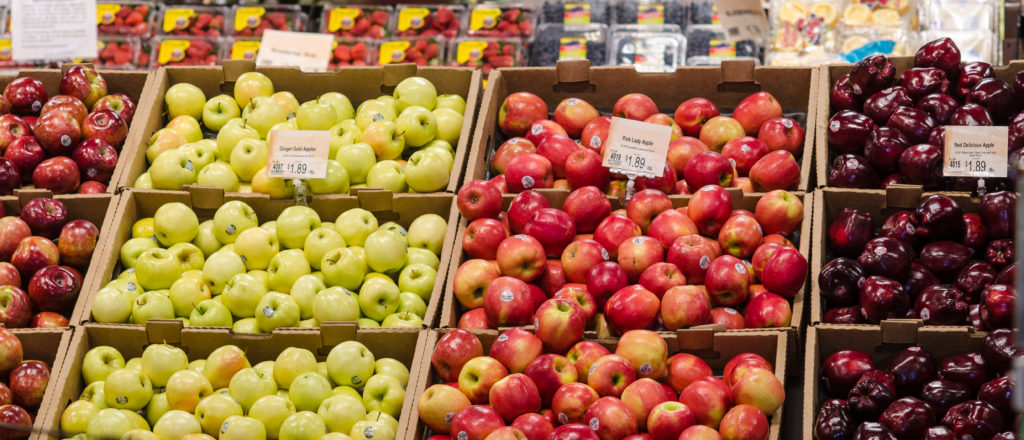
Food prices increased 2.7% while airfare rose by the same amount, thanks to jet fuel prices increasing due to the Strait’s closure.
Rising oil prices caused by the war-induced slowdown in shipping through the Strait of Hormuz weighed heavily on market respondents in the Institute for Supply Management’s (ISM) monthly service sector index. Prices in the ISM index registered their highest reading since October 2022, and the supplier deliveries index was lower compared to February due to rising fuel prices and shipping disruptions caused by the conflict.
The war’s effects have spilled over into the U.S. housing market as well, with real estate agents reporting that consumers were concerned with the economy and rising mortgage rates, according to CNBC. Mortgage rates hit a low of 5.99% the day before the conflict began, but now hover around 6.5%, CNBC reported.
Increasing jet fuel costs have forced airlines to scramble to cover the rising prices, with Delta announcing Tuesday that the airline would increase prices on checked bags for passengers beginning Wednesday. Delta’s competitors, JetBlue and United Airlines, previously announced similar fee increases on checked bags to cover rising fuel costs.
As the price of an average gallon of gas reached $4.14 in the U.S. on Tuesday, Goldman Sachs was warning that some Southeast Asian countries could run out of oil completely, while the U.S. could lose 60% of its fuel oil capacity.
President Donald Trump announced that the U.S. had agreed to a Pakistani-mediated ceasefire with Iran on Tuesday, but the ceasefire remains tenuous as Israel continued to bomb Lebanon following Trump’s announcement.
All content created by the Daily Caller News Foundation, an independent and nonpartisan newswire service, is available without charge to any legitimate news publisher that can provide a large audience. All republished articles must include our logo, our reporter’s byline and their DCNF affiliation. For any questions about our guidelines or partnering with us, please contact [email protected].