



The indictment of David Morens, a longtime adviser to Dr. Anthony Fauci, has reignited a political and legal debate over how the federal government handled early questions about COVID-19 and related research. Morens, 78, faces several federal charges, including conspiracy and the alleged destruction or concealment of records tied to investigations into the pandemic’s origins. If convicted on all counts, he could face decades in prison.
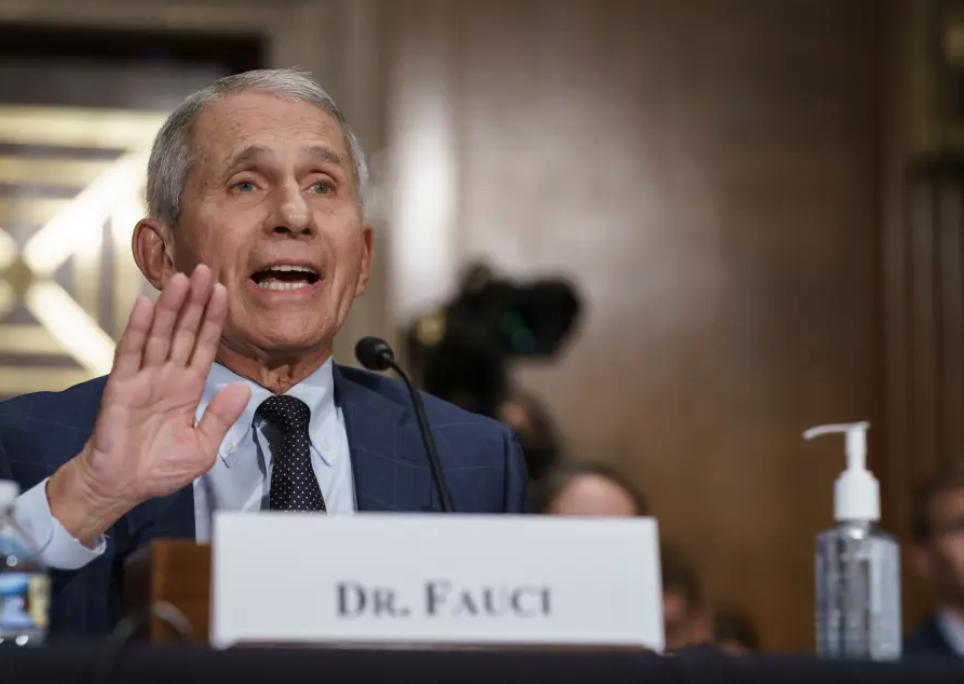
The case has quickly drawn attention beyond Morens himself. Some Republican lawmakers and conservative groups argue the charges raise broader questions about Fauci’s own testimony to Congress, particularly his 2021 statements denying that the U.S. funded so-called gain-of-function research at the Wuhan Institute of Virology. That issue has been disputed for years, in part because scientists and officials have used different definitions of what qualifies as gain-of-function work.
Sen. Rand Paul, who clashed publicly with Fauci during multiple hearings, has said there may be grounds to pursue charges related to false statements to Congress or the handling of federal records. Others have echoed that view, pointing to newly surfaced documents and testimony from federal officials as justification for further investigation.
At the same time, any potential legal action faces practical and legal hurdles. One is timing: a five-year statute of limitations could limit the window for bringing certain charges tied to Fauci’s 2021 testimony. Another complication is the reported preemptive pardon issued by former President Joe Biden during his final day in office, covering potential offenses over a multi-year period. Legal experts have noted that such broad pardons are unusual and could be tested in court, but their validity has not yet been challenged directly in this context.
Supporters of Fauci, including many in the scientific community, have long argued that his statements to Congress were accurate within the technical definitions used by federal agencies at the time.
They also maintain that the research funded through grants to EcoHealth Alliance did not meet the threshold for gain-of-function as defined by U.S. policy, even if it involved modifying viruses in laboratory settings.
Documents released over the past several years show that U.S. funding did support coronavirus research conducted in partnership with the Wuhan lab, including experiments on bat coronaviruses.
Some of those studies involved modifying viruses to better understand how they might infect human cells, which critics say fits a broader understanding of gain-of-function research. Federal officials, however, have at times drawn narrower distinctions based on specific regulatory definitions.
The origins of COVID-19 remain unresolved, with competing theories—including a natural spillover event and a potential lab-related incident—still under review. Limited access to data from China has made definitive conclusions difficult.
For now, Morens’ case is likely to proceed on its own track, but it has clearly revived a larger political fight. Whether that leads to additional investigations or legal action involving Fauci will depend on how prosecutors interpret the available evidence and navigate the legal constraints surrounding the case.












