



Some online commentators are already dismissing the latest reported attempt on President Trump’s life as a hoax, with speculation spreading quickly across social media.
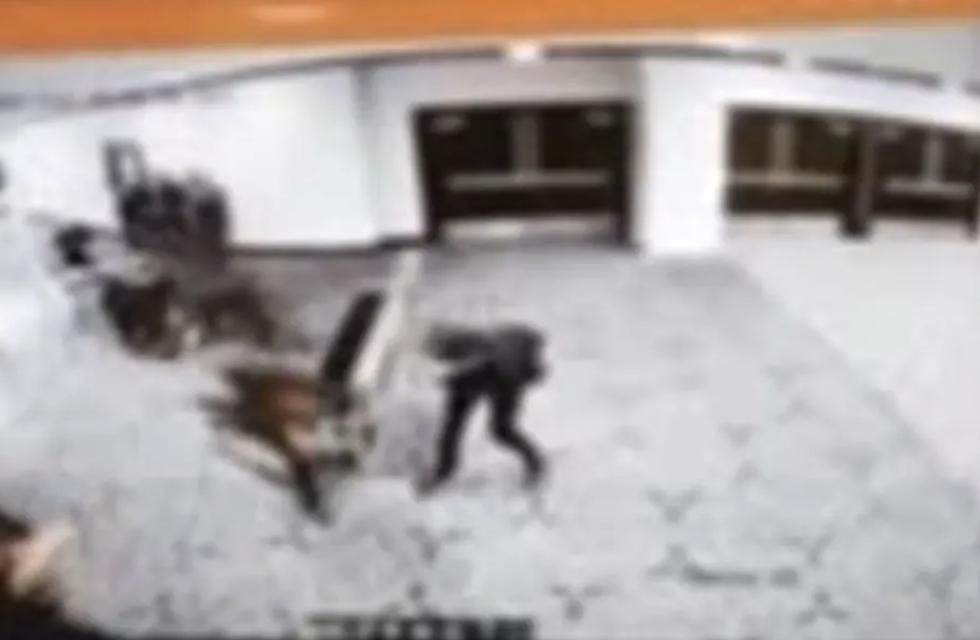
On X, a wave of amateur analysts has emerged, confidently arguing that the incident involving suspect Cole Allen at the White House Correspondents’ Dinner was staged. The claims vary widely. Some suggest it was meant to distract from other political issues, like tensions with Iran or renewed attention on the Epstein case. Others argue it was designed to build support for Trump’s proposed $400 million White House ballroom project.
Posts questioning the legitimacy of the event began circulating almost immediately. One user mocked the situation by echoing a pro-Trump slogan in a sarcastic tone, while another claimed the alleged attempt was “backfiring” and failing to convince the public. Others tied the incident directly to political messaging, suggesting it was engineered to energize Trump’s base.
The reaction wasn’t limited to skepticism. Some posts veered into personal attacks, including harsh comments directed at White House officials. The tone in many cases reflected a broader pattern seen after previous threats against Trump, where online discourse quickly shifts from concern to conspiracy.
Interest in the idea that the event was “staged” surged in the aftermath. The term began trending on both Google and X, with hundreds of thousands of posts referencing it within hours.
The speed and scale of that reaction highlight how quickly speculation can take hold, especially when information is still unfolding.
The topic even came up during a televised interview. When asked about conspiracy theories surrounding the incident, Trump dismissed them outright, responding with sarcasm and comparing them to other widely debunked historical denials. He suggested that while some people may genuinely believe these theories, others are intentionally spreading them.
At the same time, not everyone online accepted the narrative that the event was fabricated. Many users pushed back, criticizing the conspiracy theories and calling out what they saw as a reflexive tendency to dismiss serious events. Some pointed out the contradiction in reactions, arguing that critics would have responded very differently had the outcome been worse.
Even commentators and media figures who are often critical of Trump expressed frustration with the speculation. One journalist who attended the dinner described the experience as chaotic and frightening, noting that people in the room took cover and contacted loved ones during the incident. Seeing those events dismissed online, they said, was both upsetting and indicative of a deeper problem in how people process information.