



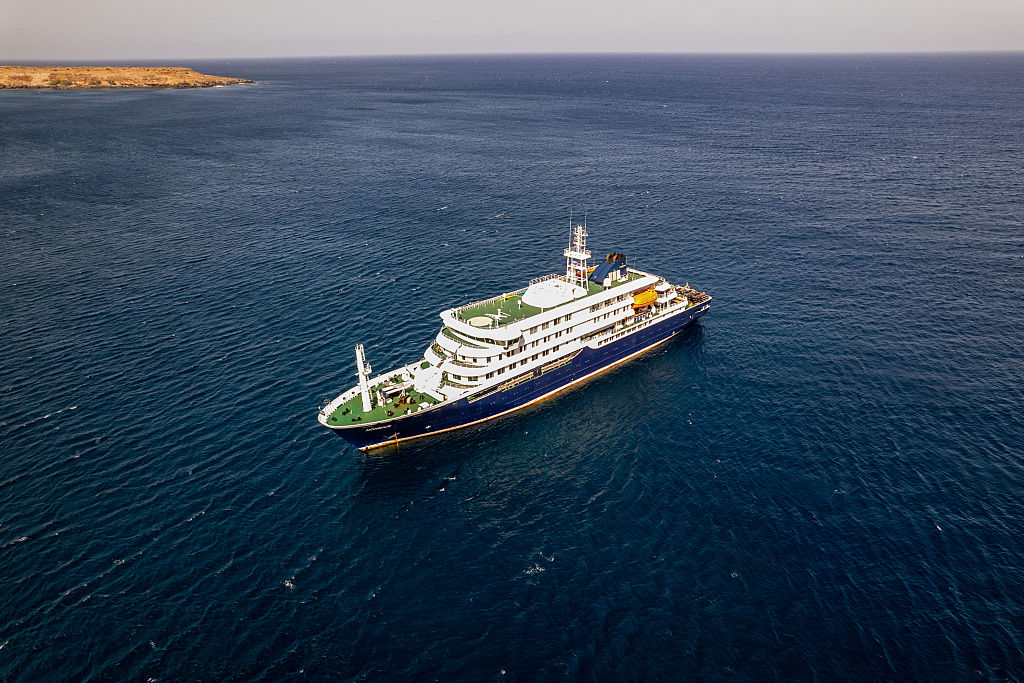
A scenic wildlife excursion may have set off a deadly chain of events aboard an expedition cruise now at the center of a growing health investigation.
According to the New York Post, authorities believe two passengers on the MV Hondius who later died from hantavirus were exposed to the illness during a bird-watching trip in Ushuaia, before ever boarding the vessel.
Investigators say the couple, both from the Netherlands, likely encountered infected rodents while visiting a landfill site during the mid-March excursion. The virus is typically transmitted through inhalation of particles from rodent droppings or urine.
However, officials have acknowledged a major uncertainty in that theory. The surrounding region of Tierra del Fuego had not previously recorded any cases of hantavirus, raising questions about how the infection originated.
The couple boarded the ship on March 20 as it departed Argentina for a 35-day voyage.
Weeks later, the 70-year-old man began experiencing symptoms, including fever, headache, abdominal pain and diarrhea.
His condition worsened into acute respiratory distress, and he died on April 11. At the time, his death was not immediately linked to hantavirus.
His body remained aboard the ship for nearly two weeks. During that period, his wife also became ill.
On April 25, she traveled with her husband’s body to Johannesburg, where she later died in a hospital.
In the days that followed, additional cases began to emerge among those on board. Eight other passengers and crew members fell ill, and by May 2, a third passenger had died during the voyage.
Health officials with the World Health Organization said several individuals, including two in serious condition, were evacuated for treatment in the Netherlands.
Images from the evacuation showed patients in full protective gear being transported from ambulances to aircraft in Praia.
Among those evacuated was the ship’s doctor, who had previously been listed in serious condition but has since improved, according to Spain’s health ministry.
Officials say the remaining passengers and crew on board have not shown symptoms.
The vessel is now expected to dock in Tenerife, though the plan has sparked disagreement among officials.
Canary Islands President Fernando Clavijo expressed concern about how disembarkation would be handled, warning about the potential risk of transmission.
Representatives from Spain’s central government pushed back on those remarks, calling them “irresponsible,” while emphasizing that the likelihood of the virus spreading between people is very low.
As authorities continue to investigate how the outbreak began, the incident has raised fresh concerns about rare but dangerous infections emerging in unexpected places.