



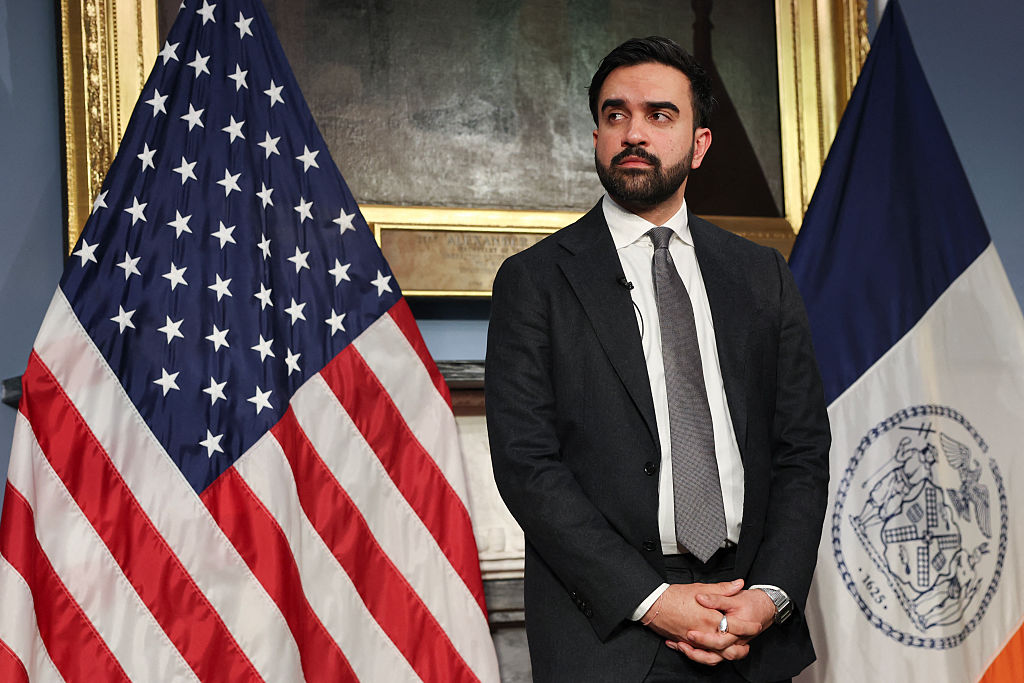
New Yorkers could soon face higher ambulance bills, steeper permit costs, and more traffic tickets under Mayor Zohran Mamdani’s first city budget proposal.
The mayor on Tuesday rolled out a $124.7 billion spending plan that he described as proof of “a new era of government,” arguing his administration found ways to close a multibillion-dollar budget gap without major tax increases, per the New York Post.
But critics quickly questioned the plan, accusing City Hall of relying on temporary fixes and hidden fee hikes instead of deeper spending cuts.
“Banking on yet to be determined revenue-raising gimmicks and identifying fake savings are not wins,” one Democratic operative said. “This budget plan is as real as Kim Kardashian’s lips.”
Mamdani had previously floated a controversial 9.5% property tax increase before abandoning the proposal.
Instead, the administration is leaning heavily on new fees, enforcement efforts, and accounting changes to help balance the books.
Under the proposal, ambulance transportation fees would rise to generate nearly $25 million annually. The city also plans to charge residents for emergency medical treatment even if they are not transported to a hospital, a move expected to bring in another $10 million each year.
Additional revenue would come from expanding bus-lane camera enforcement, increasing audits tied to property tax benefits, and raising various licensing and permit fees.
The budget also includes plans to collect more money through handgun license applications, Taxi and Limousine Commission permit renewals, concession stands in city parks, and tree replacement charges.
At the same time, some city departments are being asked to trim smaller programs.
The Department of Veterans’ Services would eliminate unspecified events to save about $60,000, while the Sanitation Department plans to end a battery disposal program expected to save roughly $353,000.
City Hall says the administration identified nearly $1.7 billion in savings over the next two years.
Mamdani claimed the city would save hundreds of millions through “improving the efficiency of public services” and nearly $947 million by “improving our financial management.”
The mayor also highlighted efforts to reduce overtime, consolidate office space, modernize software systems, and avoid filling some vacant positions.
“It is evidence of a new era of government in our city, one that can balance both ambition and fiscal responsibility,” Mamdani said during a press conference announcing the proposal.
“One that does not accept austerity as the only answer to adversity, one that refuses to kick structural challenges down the road for someone else to have to solve.”
Still, fiscal watchdogs warned the city remains heavily dependent on one-time measures.
Mark Levine said the budget “relies on $2.8 billion in one-time measures and $2.3 billion in short-term pension savings” without addressing the broader imbalance between spending and revenue.
Citizens Budget Commission President Andrew Rein said the administration deserved some credit for attempting to slow spending growth, but argued deeper reforms are still needed.
“Holistic transformation is the best path for the excellence in government the Mayor rightly promotes, and New Yorkers need,” Rein said.
“Unfortunately, we get the types of maneuvers we’ve seen in the past.”
The budget also sets aside $270 million for Mamdani’s new Office of Community Safety, far below the $1.1 billion he previously discussed during the campaign for a broader mental health response initiative.
The proposal now heads to the New York City Council, where negotiations are expected to continue ahead of the July 1 deadline for a final agreement.












