



Dershowitz Fires Back After Criticism of His Impeachment Defense: The Media ‘Willfully Distorted’ It
While answering questions from senators in the impeachment trial of President Donald Trump , former Harvard law professor Alan Dershowitz argued that presidents could not be impeached for having a mixed-motive. “Every…
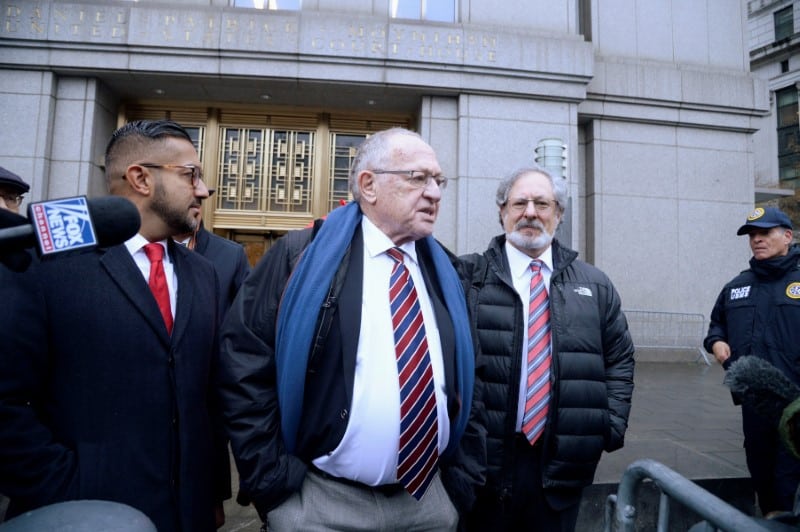
While answering questions from senators in the Impeachment trial of President Donald Trump, former Harvard law professor Alan Dershowitz argued that presidents could not be impeached for having a mixed-motive.
“Every public official that I know believes that his election is in the public interest,” Dershowitz said. “And mostly you’re right. Your election is in the public interest.”
“And if a president did something that he believes will help him get elected, in the public interest, that cannot be the kind of quid pro quo that results in Impeachment,” he added.
That answer did not sit well with politicians and pundits who argued Dershowitz’s view would “unleash a monarch.”
https://twitter.com/JohnWDean/status/1222684565585698816
On Thursday, Dershowitz responded with a flurry of tweets and claimed that the media “willfully distorted my answers.”
“I said nothing like that, as anyone who actually heard what I said can attest,” Dershowitz countered.
In a series of tweets, Dershowitz laid out an example of a president doing something that they genuinely believe would be good for the country, and would help their re-election.