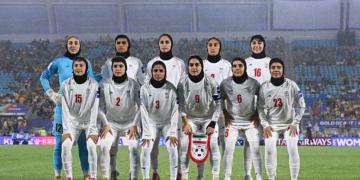




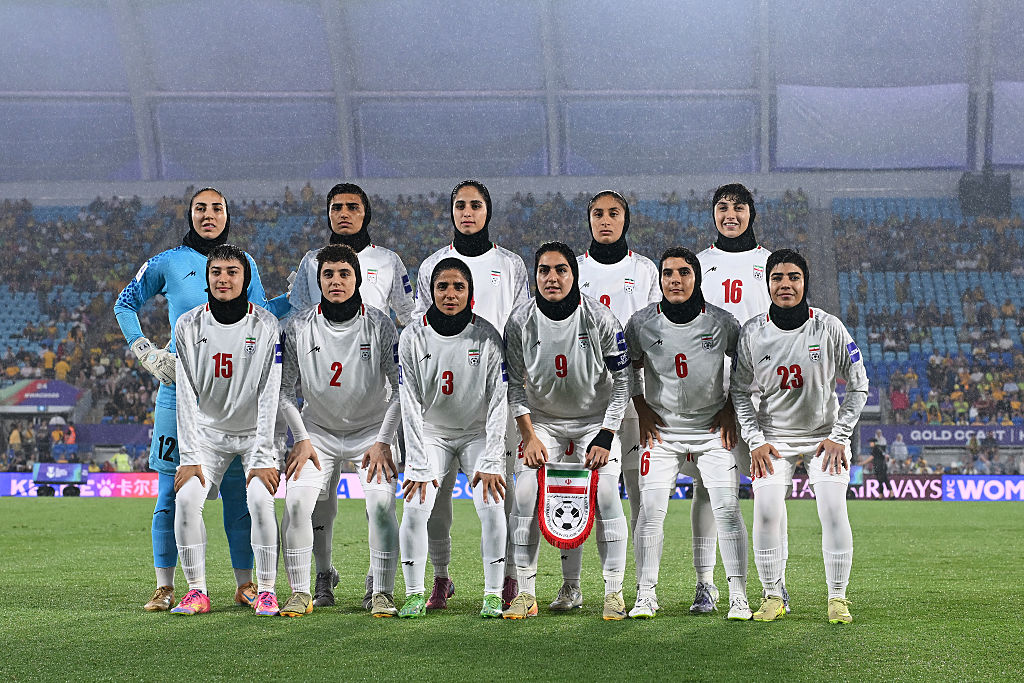
Five members of Iran’s women’s national soccer team will remain in Australia after the country approved their asylum requests following controversy during the Women’s Asian Cup.
According to Fox News, Australia’s Home Affairs Minister Tony Burke confirmed Monday that the players were granted humanitarian visas after meeting with officials.
The athletes were quietly moved from their hotel in Gold Coast to a secure location early Tuesday morning with assistance from federal police.
Once relocated, the players met with Burke and began the process of securing protection in Australia.
“I say to the other members of the team the same opportunity is there,” Burke said. “Australia has taken the Iranian women’s soccer team into our hearts.”
The situation gained international attention after President Donald Trump publicly urged Australian officials to grant asylum to the players, warning they could face danger if they returned to Iran.
“Australia is making a terrible humanitarian mistake by allowing the Iran National Woman’s Soccer team to be forced back to Iran, where they will most likely be killed. Don’t do it, Mr. Prime Minister, give ASYLUM. The U.S. will take them if you won’t,” Trump wrote on Truth Social.
Trump later said he spoke directly with Australian Prime Minister Anthony Albanese about the matter.
“I just spoke to Prime Minister Anthony Albanese, of Australia, concerning the Iranian National Women’s Soccer Team,” Trump wrote. “He’s on it! Five have already been taken care of, and the rest are on their way.”
He added that some players may still return to Iran because they fear retaliation against family members.
“Some, however, feel they must go back because they are worried about the safety of their families, including threats to those family members if they don’t return,” Trump said. “In any event, the Prime Minister is doing a very good job having to do with this rather delicate situation. God bless Australia!”
The Iranian team had arrived in Australia before a joint U.S. and Israeli offensive against Iran on Feb. 28 that resulted in the death of Supreme Leader Ali Khamenei.
The players also drew attention during the tournament when they refused to sing Iran’s national anthem before their opening loss to South Korea, a move some observers interpreted as a political statement. An Iranian commentator described the moment as the “pinnacle of dishonor.”
The team did not publicly explain the decision. However, players later sang the anthem and saluted before matches against Australia and the Philippines.
Burke acknowledged the difficult position the athletes face.
“These women are tremendously popular in Australia, but we realize they are in a terribly difficult situation with the decisions that they’re making,” he said. “The opportunity will continue to be there for them to talk to Australian officials if they wish to.”
Advocacy groups have also pushed the government to act. The Australian Iranian Council circulated a petition urging authorities to prevent players from leaving the country if credible threats exist.
“Where credible evidence exists that visiting athletes may face persecution, imprisonment, coercion, or worse upon return, silence is not a neutral position,” the petition stated.
Despite the controversy, Iran’s head coach Marziyeh Jafari said the team hopes to return home soon.
“We want to come back to Iran as soon as we can,” Jafari said.