
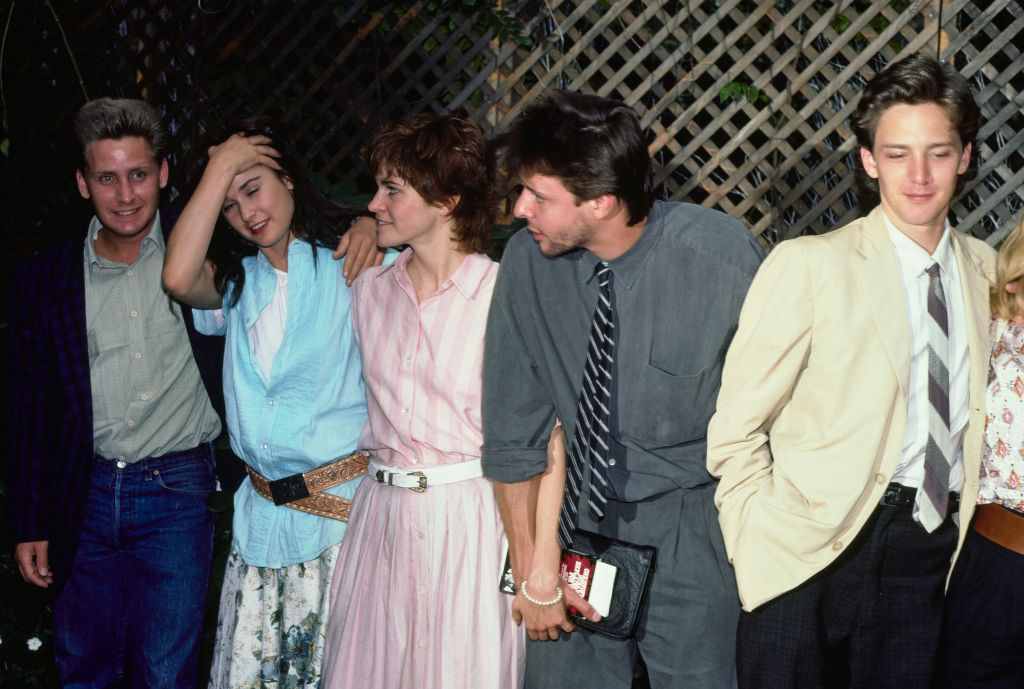
For years, many people assumed one of the most recognizable faces of 1980s Hollywood turned to alcohol because of the pressures of sudden fame. But Andrew McCarthy says that explanation misses the mark entirely.
According to Fox News, the actor, who rose to prominence as a member of the famed “Brat Pack,” recently reflected on his long battle with alcoholism during an appearance on Ted Danson’s podcast, “Where Everybody Knows Your Name.”
McCarthy, now 63, pushed back on the idea that his success in Hollywood was responsible for his drinking problem.
“People always go, ‘Oh, well, you were too young, successful. That was too much for you, so you drank,’” McCarthy told Danson. “I’m like, ‘No, I would have drunk anyway. I was just able to afford better vodka.’”
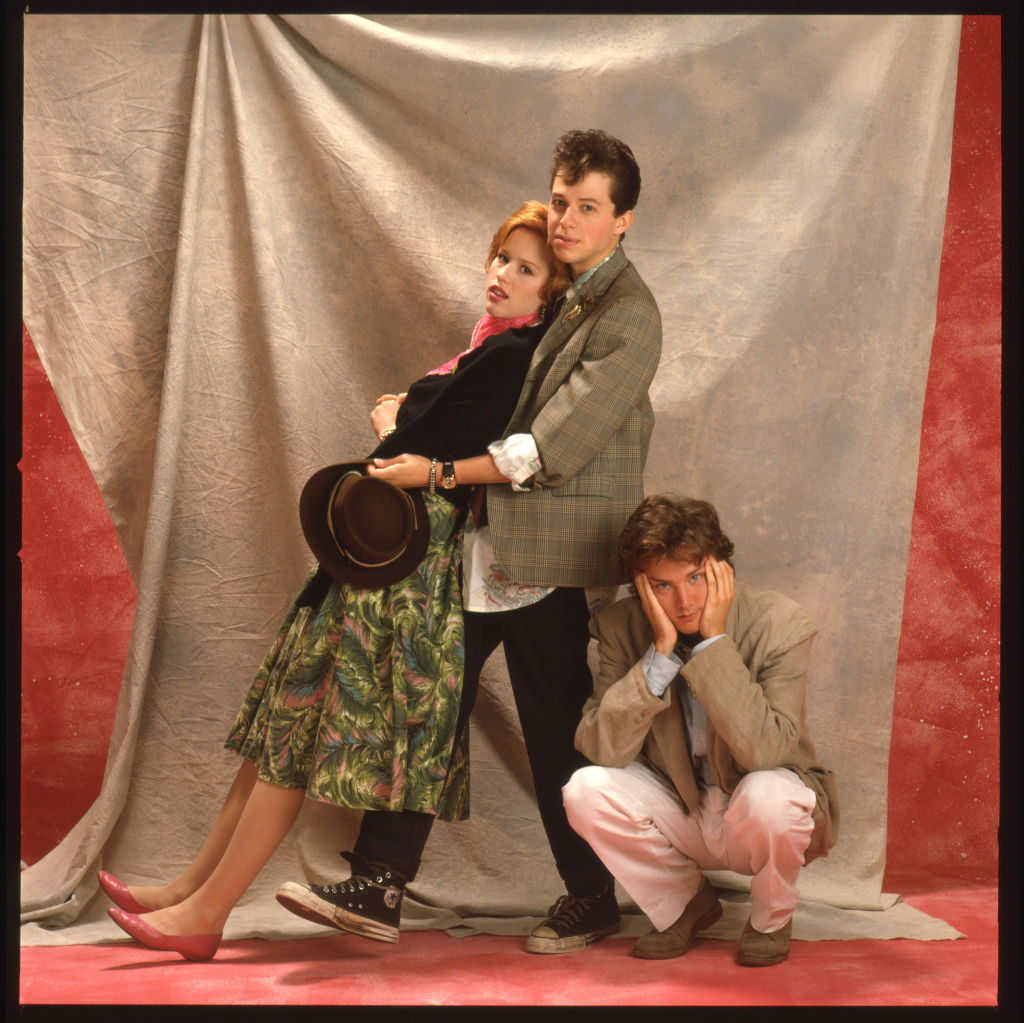
The actor acknowledged that while he was able to keep functioning professionally for a time, alcohol eventually took a major toll on both his life and career.
“To a point,” he said when Danson suggested he had remained functional in the early years.
McCarthy explained that he had only begun drinking during the period when many of his best-known films were being released.
“Those kinds of movies, that was early on. I was just starting to drink in those movies, but I certainly think it derailed my career entirely,” he said.
He added that recovery itself became another lengthy challenge.
“Because not only the drinking, but then the years it took to recover from the drinking.”
McCarthy said he spent years feeling mentally clouded after getting sober and believes he lacked the perspective needed to capitalize on opportunities that came with his success.
One of the most surprising parts of his recovery story involves the hit sitcom “Cheers.”
While attending an alcohol rehabilitation program in Minnesota in 1992, McCarthy said fellow patients struggled to connect until they discovered reruns of the show airing every evening.
“But one of the guys then discovered that at seven o’clock at night, ‘Cheers’ was on every night,” McCarthy recalled.
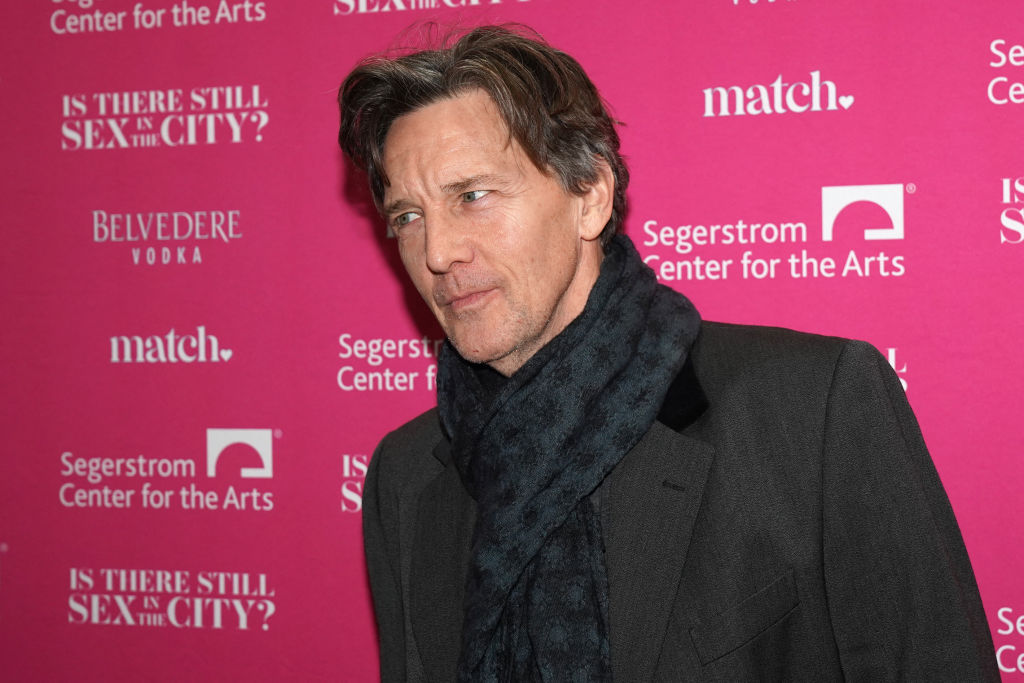
The group soon gathered nightly to watch together.
“… After the counselors all went home, we would gather around and watch ‘Cheers.’ And we would sit there and count people’s drinks and talk about how you made the drinks — he’s got a heavy hand, and he doesn’t. And so, we totally bonded over the alcoholic part of ‘Cheers.’”
The experience left a lasting impact.
“… That changed my life, and I haven’t had a drink since. So, I owe you a great deal.”
Reflecting on his younger years, McCarthy also said he eventually realized that his personality was not particularly suited to the intense attention that accompanied stardom.
“He said, ‘Well, maybe you just didn’t want it,’” McCarthy recalled of a conversation with Alec Baldwin.
“And that hit me like a ton of bricks.”
The actor said he later came to understand that success and alcoholism were unrelated issues in his life, though it took years to separate the two in his mind.
Looking back on his career today, McCarthy said he has developed a newfound appreciation for many of the films that made him famous, including “St. Elmo’s Fire,” “Pretty in Pink,” “Mannequin,” and “Bernie.”
“I have great affection for all those films,” he said. “I don’t think that was always the case for me.”