

Utah Valley University released a heavily redacted set of documents after the Daily Caller News Foundation requested records tied to the killing of Charlie Kirk, offering only fragments of information while withholding other materials altogether.
The request focused on communications involving UVU Police Chief Jeff Long, but much of what came back was obscured. The university cited several legal exemptions to justify removing large portions of text, leaving key details unclear and raising questions about what went wrong with campus security that day.
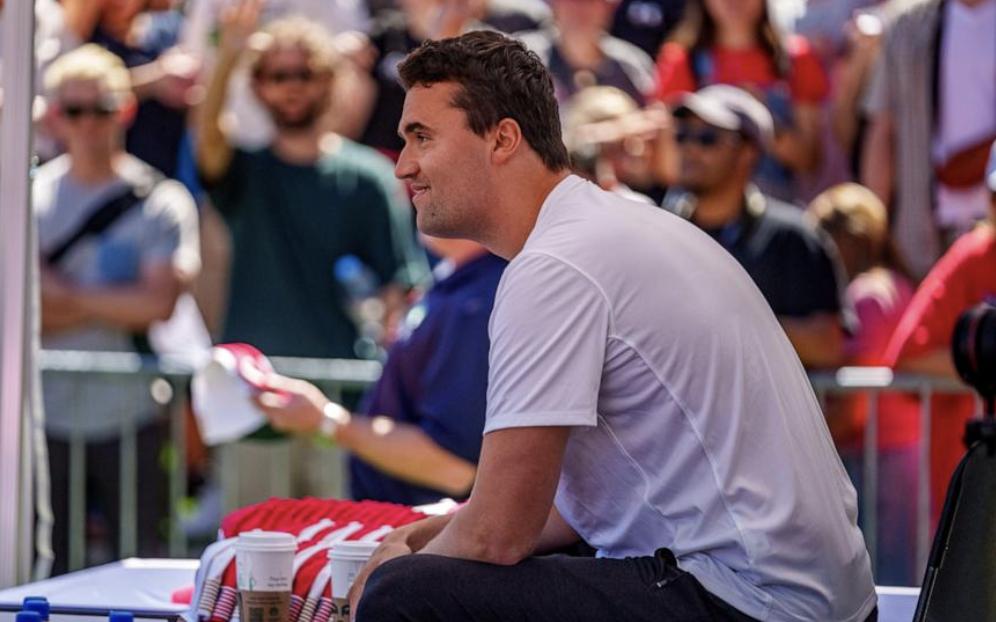
Kirk had been speaking at a Turning Point USA event that drew roughly 3,000 people. Only six campus police officers were assigned to the gathering. There were no metal detectors or ticketing system in place, gaps that drew criticism afterward. Utah State Rep. Ryan Wilcox called the situation “a complete disaster,” and the university soon announced it would review its security planning.
The documents that were released include about 50 items, many of them partially unreadable. They show snippets of conversations between unidentified individuals, some believed to be university staff, both before and after the shooting on Sept. 10. In one exchange, a person approved the use of amplified sound for the event without raising concerns. Another email from the day before the shooting referenced an effort to get a message to Kirk, including a phone number, though the surrounding context was removed.
Authorities say 22-year-old Tyler Robinson carried out the shooting. He allegedly moved across campus with a rifle concealed in his pant leg, accessed the roof of the Losee Center, and fired a single fatal shot before fleeing. After a 33-hour manhunt, Robinson turned himself in, reportedly encouraged by family members who recognized him in images released by the FBI. Prosecutors say he had expressed hostility toward Kirk’s political views.
UVU defended its decision to redact and withhold records, arguing that releasing full details could compromise public safety, interfere with ongoing legal proceedings, or violate privacy laws. Some redactions were tied to protecting the integrity of the investigation and ensuring a fair trial, while others were attributed to attorney-client privilege.
The university also acknowledged that additional records exist but declined to release them. Even images included in the disclosure were partially censored, including photos of campus changes made after the shooting, such as the installation of a large American flag.
This is not the first time the university has resisted releasing information. A prior request from a local news outlet seeking the event’s security plan was denied on similar grounds. When that decision was appealed, Robinson’s legal team argued in court to keep the records sealed.
Questions about security failures have persisted, especially after comments from Brian Harpole, who led Kirk’s private security team. Harpole said he warned Chief Long ahead of the event about potential rooftop access points, including one on the nearby Sorenson Center. According to Harpole, Long assured him the area would be secured.
“He said, ‘I got you covered,’” Harpole recalled in an interview. “At that point, what else are you supposed to do?”
Long later acknowledged shortcomings in the university’s response. Speaking the day of the shooting, he said the department had tried to prepare but ultimately fell short.
“You think you have things covered,” he said, “and unfortunately, we didn’t.”