



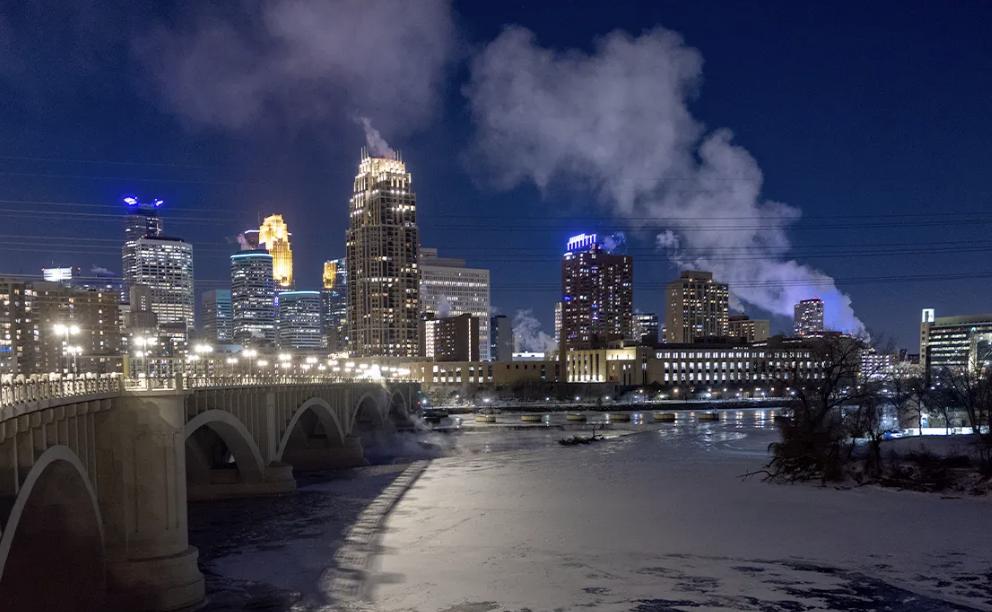
The Minneapolis City Council is weighing a significant policy shift that would allow and regulate adult venues where consenting adults can engage in sexual activity, potentially reversing a ban that has been in place for nearly four decades.
At the center of the discussion is a set of proposed ordinances aimed at updating city code. Supporters say the current law, originally passed in 1988 during the height of the AIDS crisis, is outdated and rooted in language that no longer reflects current public health strategies or social attitudes. That ordinance prohibited businesses from facilitating what it defined as “high-risk sexual conduct,” effectively shutting down bathhouses and similar establishments.
Over time, critics have argued that the law disproportionately affected gay men and people living with HIV, while also pushing these activities into less regulated, and potentially less safe, environments. In 2023, the city revised some of the language after pressure from advocacy groups, but the broader ban remained in place.
Now, city leaders are considering a more comprehensive overhaul. One proposal would create a licensing system specifically for adult sex venues, setting clear rules for how they operate.
Another would update zoning definitions, bringing these types of businesses into alignment with other regulated uses. Additional measures would adjust health and sanitation codes, as well as carve out legal exceptions for licensed venues under the city’s broader offenses code.
Advocates, including the Safer Sex Spaces Coalition, argue that regulated spaces can actually improve public health outcomes. They point to research suggesting that such venues can provide access to condoms, testing, and education, while also fostering a sense of community. In their view, bringing these spaces into a legal framework makes it easier to monitor conditions and reach populations that might otherwise be harder to engage.
Supporters also frame the issue as one of harm reduction. If these activities are going to occur regardless of legality, they argue, it’s better for the city to create environments where safety standards can be enforced rather than leaving people to gather in informal or hidden settings.
Still, the proposal isn’t without controversy. The original 1988 ban had backing from parts of the LGBTQ+ community at the time, including city council member Brian Coyle, who supported it amid growing fears about HIV transmission. That history adds another layer to the current debate, highlighting how perspectives have shifted over time.
City officials say they are looking at models from other places, including San Francisco, where similar venues operate under strict health and safety regulations. Requirements there include condom availability, staff oversight, and other preventative measures.
Mayor Jacob Frey has signaled openness to continuing the conversation, though no final decision has been made. As the council moves forward, the debate is likely to center on how to balance public health, personal freedom, and community standards in a way that reflects both past lessons and present realities.
The post City Set To Reverse 38-Year Ban appeared first on Red Right Patriot.