




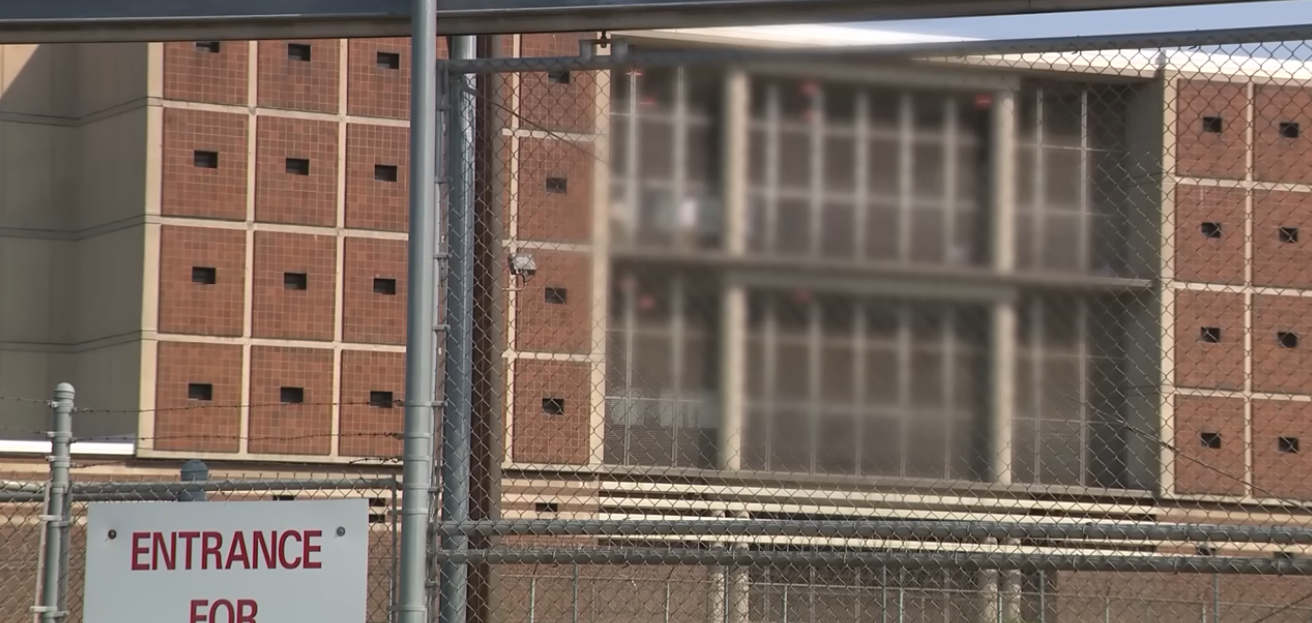
A dangerous and nearly undetectable drug trend is spreading through one of the nation’s largest jail systems, raising alarms among law enforcement officials who say it could have devastating consequences far beyond prison walls.
According to the New York Post, inside Cook County Correctional Facility, a series of mysterious inmate deaths beginning in early 2023 forced investigators to confront a chilling reality: ordinary-looking paper had become a deadly delivery system.
When 57-year-old inmate Thomas Diskin was found dead in his cell, there were no immediate signs of violence or injury. What stood out instead were small, burned scraps of paper scattered nearby—clues that would later reveal a far more sinister cause.
“I said, ‘We need to test this and find out what’s going on with it,’” Brad Curry, chief of staff at the Cook County Sheriff’s Office, recalled.
Testing eventually confirmed the paper had been soaked in a powerful synthetic cannabinoid known as Pinaca. Inmates were smoking the paper, often using makeshift “wicks,” with fatal results.
Before officials could react, similar deaths followed in rapid succession. Within weeks, multiple inmates had died under nearly identical circumstances. By the end of the year, six fatalities were linked to the drug-laced paper.
“We didn’t know what was on [the paper in Diskin’s cell], but we knew it was a drug,” Curry said. “And it was a race against time … we had a new drug that is very, very toxic and very, very deadly, that Narcan apparently didn’t work on.”
In response, jail officials flooded housing units with warnings: “Do not take drugs in the jail if you want to live.” Mail inspections intensified, and staff began searching for discoloration or unusual markings on paper.
But smugglers adapted quickly.
Drugs began appearing on legal documents and even inside books shipped from retailers like Amazon, making detection even harder. Some sheets, barely larger than a foot square, could fetch up to $10,000 inside the facility.
“If you’re a dirty officer, [inmates working as dealers] will give them a certain amount of that every time they bring in a sheet of paper … so they’re doing it for the money. It’s so lucrative,” Curry said.
Authorities have made more than 130 felony arrests tied to the scheme since 2023, targeting both inmates and staff involved in smuggling operations.
Despite new technology and stricter controls, the threat hasn’t disappeared. Deaths dropped in 2024 but are again under investigation in 2025 and 2026, with increasingly potent synthetic drugs suspected.
Curry warned the implications could be far worse if the method spreads beyond prison.
“If you’re a police officer and you pull somebody over … and there’s a stack of paper in an open Office Depot wrapper, you have no idea that that’s $1 million worth of drugs right there,” he said.
“So the ramifications, if this does go to the street, are huge. This would be the biggest war on drugs you’ve ever seen in your life … you’d have a lot of new drug dealers that are millionaires, because nobody would catch on to it probably for a long time.
“And how do you keep it out of schools, because it’s on pieces of paper? It’s terrifying. It would be worse than the fentanyl in the street.”