



A quiet quality-control check inside a New Jersey pharmaceutical plant has now triggered a nationwide recall affecting thousands of patients who rely on a widely prescribed blood-pressure drug.
According to FOX Business, federal regulators revealed that more than 11,000 bottles of the medication — a combination of bisoprolol fumarate and hydrochlorothiazide sold under the brand name Ziac — are being pulled from shelves after testing uncovered unexpected contamination.
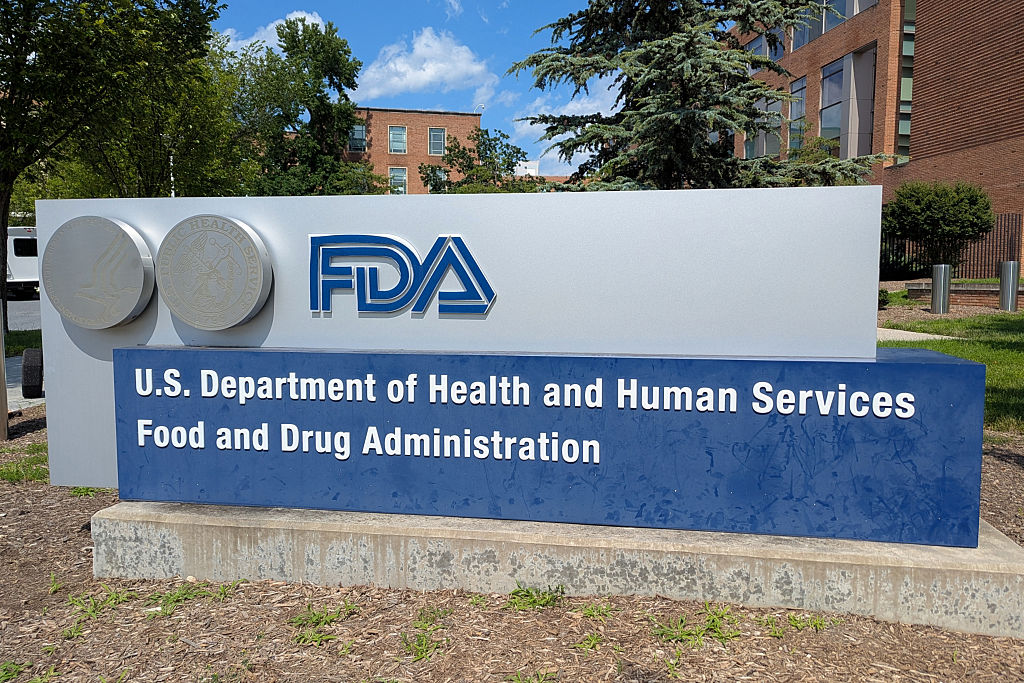
The U.S. Food and Drug Administration issued the recall notice on Dec. 1, calling the finding a “trace” but unacceptable mix-up involving a drug meant for a completely different condition.
According to the agency, reserve samples of the blood-pressure medication tested positive for ezetimibe, a prescription drug used to treat high cholesterol.
Both medications are manufactured by Glenmark Pharmaceuticals in Elmwood Park, New Jersey, a detail regulators flagged as part of the cross-contamination risk.
The FDA designated the recall as Class III — the lowest tier — meaning the contamination is “not likely to cause adverse health consequences.”
Still, the agency ordered the product removed from distribution as a precaution and urged pharmacies and providers to check their inventory.
The recall covers 30-count bottles (NDC 68462-878-30), 100-count bottles (NDC 68462-878-01) and 500-count bottles (NDC 68462-878-05).
Affected lots include 2.5-milligram and 6.25-milligram doses, with expiration dates ranging from November 2025 through May 2026.
The combination drug is a routine prescription for many patients with high blood pressure. Mayo Clinic notes that bisoprolol helps regulate the heart’s rhythm while hydrochlorothiazide flushes excess fluid and sodium from the body.
Together, the pair works to relax blood vessels, ease pressure on the heart, and reduce the risk of heart attacks and strokes.
Patients currently taking the medication have been advised to continue using it unless directed otherwise by their doctor, given the low-risk nature of the contamination.
But the FDA’s recall underscores how even minor quality-control lapses can ripple through the drug supply — and why regulators continue to monitor manufacturing plants closely for signs of trouble.