



New York City’s incoming mayor is already facing a political firestorm, as plans to terminate the city’s long-running homeless encampment sweeps have triggered sharp warnings from outgoing officials, former law-enforcement leaders, and policy experts.
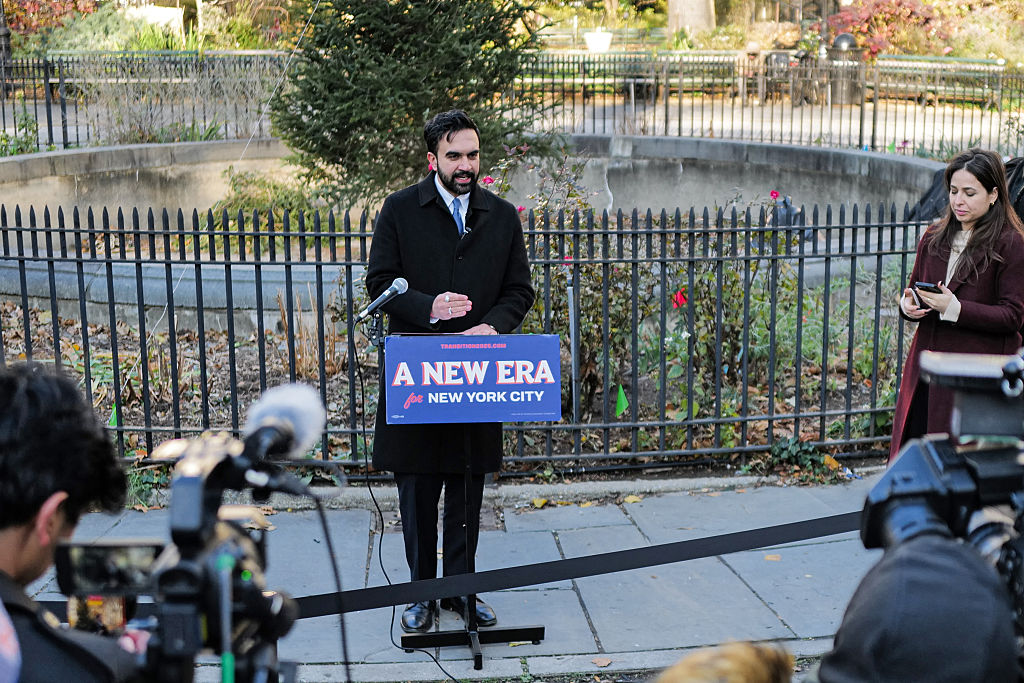
According to the New York Post, Mayor-elect Zohran Mamdani announced this week that his administration will halt the operations that remove makeshift shelters from sidewalks, parks, and overpasses — a defining initiative of outgoing Mayor Eric Adams’ tenure.
The reaction was immediate.
Critics argued the abrupt change would unravel years of effort to address thousands of encampments that emerged across the city after the pandemic.
Adams, who made the sweeps a central plank of his administration, accused Mamdani of abandoning vulnerable people and ignoring the real-world impact on public spaces.
“Leaving people to suffer in the cold isn’t just neglectful – it’s a disgrace,” Adams said in a video posted to social media.
City Hall data shows more than 18,000 encampments have been dismantled since Adams launched the initiative in March 2022, nearly doubling the number cleared during the final five years of the de Blasio era. Roughly 180 locations remain active.
Supporters of the sweeps say Mamdani’s plan risks reversing those gains. Former NYPD Chief John Chell called the shift a dangerous gamble.
“Ending street intervention programs before building sufficient housing, shelter, and treatment capacity is not a plan — it’s a gamble,” he said. “The predictable result will be a sharp rise in encampments, declining street conditions, and serious quality-of-life impacts across our neighborhoods.”
Mamdani argued that the city’s current approach has failed to make meaningful progress toward permanent housing placements.
“If you are not connecting homeless New Yorkers to the housing that they so desperately need, then you cannot deem anything you’re doing to be a success,” he said.
But critics said the mayor-elect offered no specifics on how his administration will accomplish that goal. Nicole Gelinas of the Manhattan Institute described the plan as “dangerous naïveté at best and an even more dangerous rigid ideology at worst.”
She noted that many people living in encampments refuse shelter or hospital placements, meaning the city often needs “the leverage of removal to coerce them” into safer environments.
Moderate Democrats and Republicans alike echoed those concerns.
Queens Councilman Bob Holden said the mayor-elect’s stance amounted to “a green light for chaos,” while Staten Island Councilman David Carr predicted the return of “tent cities in a matter of months.”
City data shows more than 45,000 311 complaints about encampments were reported this year — the most during Adams’ time in office.
A 2023 audit found 95% of individuals removed from encampments returned to the streets shortly after, though the Adams administration disputed those findings and said the sweeps helped place more than 500 people into permanent housing.
Outgoing deputy mayor Anne Williams-Isom said the goal was always to connect individuals with shelter and services, noting that permanent housing typically takes multiple engagements.
Still, frustration remains widespread among residents living near frequently reported hotspots.
One 24-year-old East Village resident said that while she sympathizes with those living on the streets, she believes cleanup operations are necessary.
“They make big camps,” she said. “They do drugs and go to the bathroom on the street. They come and then the police come, they leave, and then they come back.”
As Mamdani prepares to take office, the city is bracing for a major shift in homelessness policy — and the intense scrutiny that will follow.