




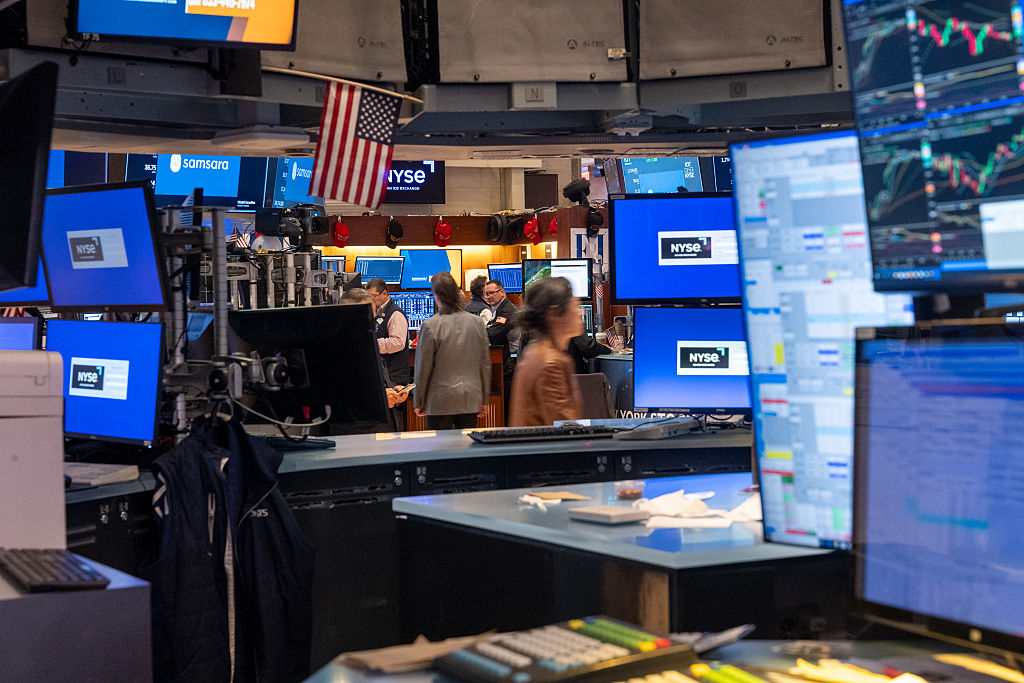
For the first time in more than 70 years, there may be no federal inflation report next month — a direct result of the ongoing government shutdown that has entered its fourth week, the White House said Friday.
According to The Associated Press, the missing report would deprive Wall Street, the Federal Reserve, and policymakers of critical data used to gauge the health of the economy.
“Because surveyors cannot deploy to the field, the White House has learned there will likely NOT be an inflation release next month for the first time in history,” the Trump administration said in an email.
While some inflation data is collected electronically, most of it relies on government employees visiting stores nationwide to record prices on everything from groceries to rent. The Bureau of Labor Statistics (BLS), which compiles the Consumer Price Index (CPI), has already been forced to scale back its data collection due to the administration’s hiring freeze — leaving several cities without field surveyors.
The White House’s statement came just hours after September’s delayed inflation report was released. That report, pushed back nine days from its original date, showed prices rose slightly but less than many economists expected. However, the data was based on information gathered before the shutdown began on October 1.
In previous shutdowns, the CPI — the government’s primary inflation gauge — was often released using incomplete data. This time, the Labor Department said that may no longer be possible. “Because surveyors cannot deploy to the field,” the department noted, “it may be too late to gather even partial data.”
The timing couldn’t be worse for the Federal Reserve, which is already navigating one of the most delicate moments in recent economic history. After aggressively hiking interest rates in 2022 and 2023 to tame the worst inflation surge in four decades, the Fed has slowly begun lowering rates as inflation has cooled and the job market shows signs of strain.
Fed Chair Jerome Powell and his colleagues are now trying to strike a balance — easing borrowing costs enough to prevent a recession while still keeping a close watch on price pressures. Without the government’s inflation data, that task becomes significantly harder.
Powell has downplayed the risk of a new inflation spike from tariffs, suggesting they might cause only a “one-time increase in prices” rather than a sustained rise. Still, he and other Fed officials have emphasized the need for reliable, up-to-date data to confirm that trend. The absence of an official CPI report could leave them flying blind.
The ripple effects of the shutdown extend beyond inflation data. The government is also unable to collect information for its next jobs report, scheduled for release on November 7. Normally, the BLS surveys businesses about their mid-month payrolls, but with operations halted, it’s unclear whether that data will be available in time.
Once the government reopens, officials could request backdated payroll data from businesses, allowing them to fill in some of the employment picture. But inflation data — which depends on in-person price collection — can’t be recreated after the fact. Prices fluctuate daily, and without timely fieldwork, the window for accurate data closes quickly.
While the Fed can turn to alternative indicators for jobs, such as private-sector sources like Indeed’s job postings or ADP’s payroll data, there are few reliable substitutes for the official inflation report. Private economic trackers exist, but none carry the same weight or comprehensive reach as the CPI.
The absence of inflation data could also rattle investors, who depend on monthly CPI readings to gauge interest rate trends, corporate earnings potential, and consumer spending strength. With the economy already on edge and confidence wavering, the loss of a key federal metric adds yet another layer of uncertainty to an already volatile situation.
In short, the government shutdown isn’t just shuttering offices — it’s blinding the nation’s economic navigators. And for the first time in modern history, America may have to move forward without knowing how fast prices are rising.