



After the longest government shutdown in U.S. history, the House on Wednesday voted to end a 43-day funding lapse that left millions of Americans reeling — from unpaid federal workers to stranded travelers and families relying on food banks.
According to The Associated Press, the House passed the compromise funding package 222–209, largely along party lines, with Republicans using their narrow majority to push the measure through.
The Senate had approved it earlier in the week, sending the bill to President Donald Trump for his signature.
The measure comes after weeks of gridlock over whether to include an extension of enhanced health care tax credits under the Affordable Care Act.
Democrats fought to keep the subsidies — which lower the cost of insurance premiums — while Republicans insisted that the debate should happen separately.
“We told you 43 days ago, from bitter experience, that government shutdowns don’t work,” said Rep. Tom Cole, the Republican chair of the House Appropriations Committee. “They never achieve the objective that you announce. And guess what? You haven’t achieved that objective yet, and you’re not going to.”
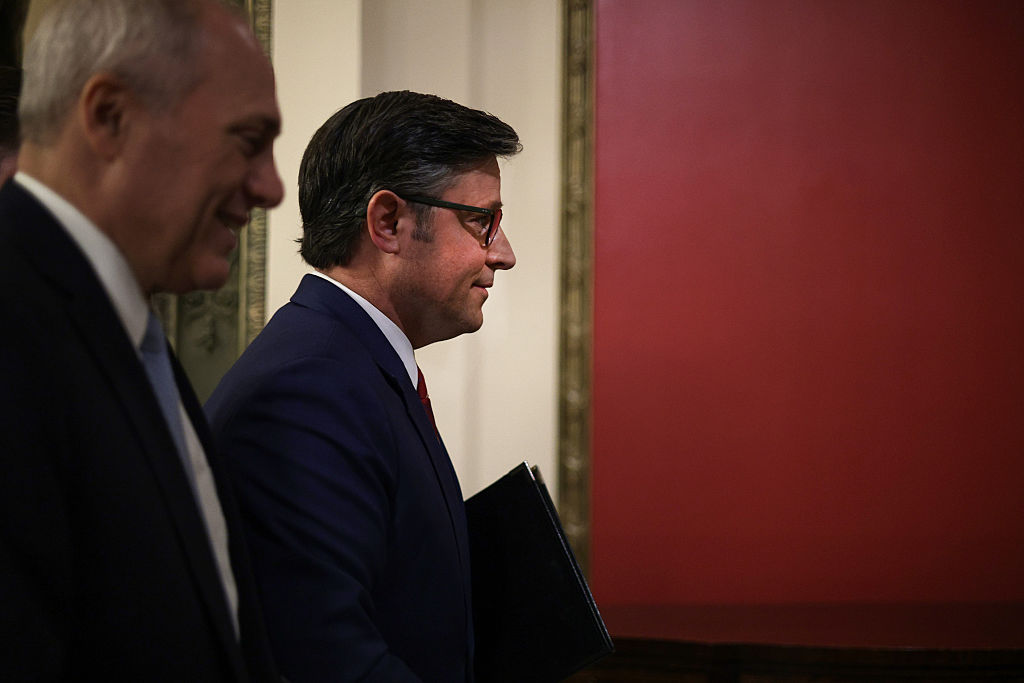
House Speaker Mike Johnson accused Democrats of “using the pain generated by the shutdown” to gain leverage in the policy fight. “They knew it would cause pain and they did it anyway,” he said.
Democrats countered that the spending deal “leaves families twisting in the wind,” as Rep. Jim McGovern (D-Mass.) put it, arguing Republicans had prioritized tax breaks for the wealthy while refusing to protect affordable health coverage.
The compromise package funds three annual spending bills and extends the rest of the government’s funding through January 30. Republicans also pledged to hold a vote by mid-December on the expiring health care subsidies — though there’s no guarantee it will succeed.
Sen. Jeanne Shaheen (D-N.H.) said the extended fight gives Democrats “an opportunity to continue to address that going forward,” while House Democratic Leader Hakeem Jeffries vowed, “This fight is not over. We’re just getting started.”
The bill also reinstates federal workers dismissed during the shutdown, guarantees back pay, and shields them from further layoffs through January. It allocates $203.5 million to boost security for lawmakers and another $28 million to protect Supreme Court justices.
One late addition sparked bipartisan frustration: a provision allowing senators to sue for up to $500,000 if a federal agency searches their electronic records without notice. Speaker Johnson said he was “very angry about it” and promised a separate vote on the issue next week.
While the shutdown is finally over, its political and economic damage lingers — and the looming December fight over health care subsidies may soon reopen Washington’s wounds.