



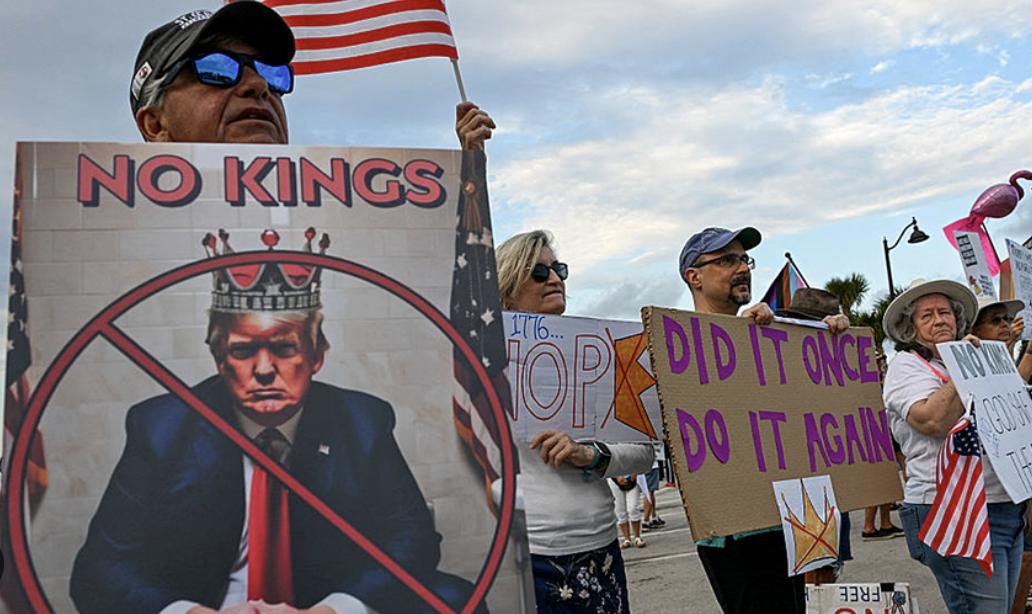
Protests branded under slogans like “No Kings” have been appearing across the country this year, with some activist groups also promoting a broader “general strike” planned for May 1. Organizers say the demonstrations are meant to push back against government policies and economic conditions, while critics argue they reflect something more coordinated.
Sen. Josh Hawley raised those concerns earlier this year in a letter to then-Attorney General Pam Bondi, calling for an investigation into whether organized networks were helping fund and direct anti-ICE protests. He pointed to reporting suggesting that some of the demonstrations may not be as spontaneous or decentralized as they appear.
Part of that scrutiny has centered on Neville Roy Singham, an American tech entrepreneur who now lives in Shanghai. Singham has been linked in various reports to a wide network of activist organizations around the world. Some analysts and commentators claim that groups within this network promote messaging that aligns with the Chinese government’s broader communications strategy, often described by officials in Beijing as an effort to better present China’s perspective globally.
According to those reports, the network includes hundreds of organizations, with activity ranging from media production to grassroots organizing in major U.S. cities. Financial flows tied to these groups have also drawn attention, with large sums reportedly moving through nonprofits and advocacy organizations over several years.
Supporters of this view argue that such efforts fit into a larger strategy by China to expand its global influence through information campaigns and political engagement abroad. They often point to the role of the Chinese Communist Party’s United Front Work Department, which focuses on building relationships and influence outside China, as part of that broader effort.
Others, however, caution against drawing direct lines between protest movements in the United States and foreign governments without clear evidence. Many of the organizations involved in demonstrations describe their work as independent activism focused on domestic issues such as immigration policy, policing, and economic inequality.
The debate reflects a wider disagreement over how to interpret both the protests themselves and the networks behind them. Some see a loosely connected but organic set of movements driven by local concerns and long-standing activism. Others view them as part of a more structured and well-funded ecosystem with ideological ties that extend beyond U.S. borders.
As protests continue and the planned May 1 actions approach, questions about organization, funding, and influence are likely to remain part of the broader political conversation.
The post Investigation Probes Protest Origins appeared first on Red Right Patriot.