


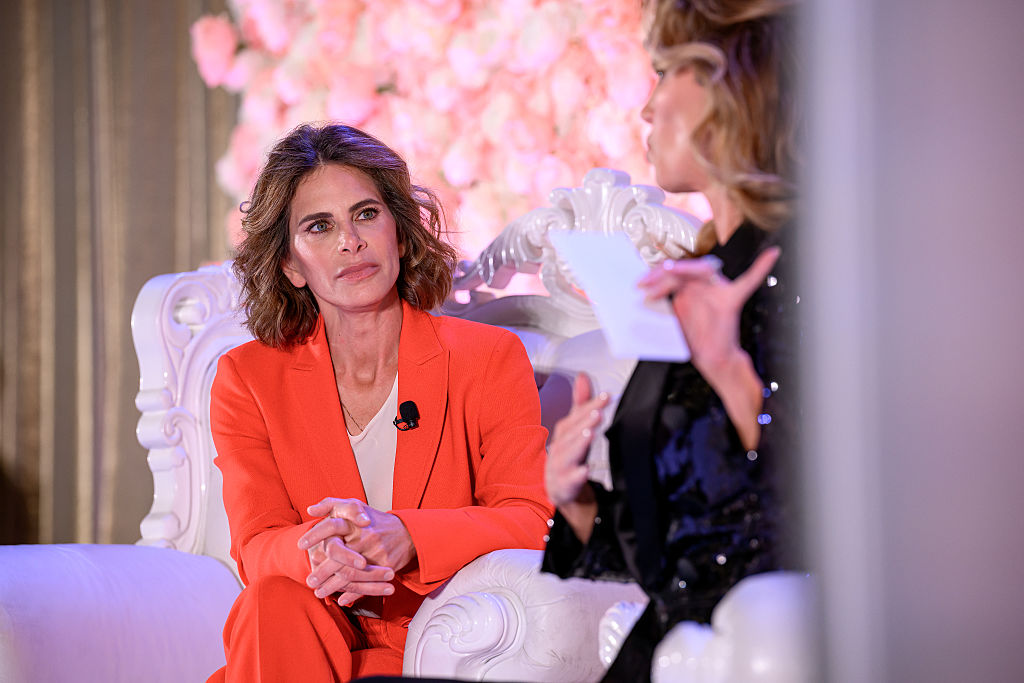
Jillian Michaels, once a household name thanks to her tough-love training style on The Biggest Loser, is now in the middle of a heated controversy after the release of a new Netflix documentary that puts her back in the spotlight—just not in the way she hoped.
The documentary, Fit for TV: The Reality of The Biggest Loser, debuted August 15 and quickly became one of Netflix’s most talked-about titles. The three-part series dives into what really went on behind the scenes of NBC’s hit reality competition show, where overweight contestants competed to lose the most weight and win a cash prize. While the documentary includes interviews with former co-host Bob Harper, medical consultant Dr. Robert Huizenga, and several contestants, Jillian Michaels did not take part in the series.
But now, she’s speaking out—and she’s not holding back.
Michaels is firing back against some of the biggest allegations made about her in the documentary. In a series of Instagram posts, the fitness expert shared screenshots of emails, texts, and personal messages that she says prove her innocence. One of the most shocking claims in the series was about the use of caffeine pills on the show. Michaels posted an email that she says shows Harper and Huizenga were fully aware—and supportive—of using caffeine to help contestants with energy during intense workouts.
“Wild how some folks still lie like it’s 1985 before texts and email were a thing,” Michaels wrote, claiming that caffeine was never banned on The Biggest Loser. According to her, this wasn’t a secret, and the production team knew all about it.
Another allegation in the documentary came from a contestant who said participants were only allowed to eat 800 calories a day. Michaels pushed back by sharing an email from Olivia Ward, who won Season 11. In it, Michaels tells Ward to eat 1600 calories—not 800. This direct contradiction is now raising questions about who is telling the truth.
Things got even more personal when the documentary accused Michaels of telling a contestant at the show’s finale, “You’re going to make me a millionaire.” Michaels says this never happened and insists that the entire finale was recorded with mics and cameras. If she had said something like that, she argues, it would be on record.
She also claims that two of the show’s executive producers—Mark Koops and Dave Broome—have texted her business partner confirming the quote was never said. Michaels posted those texts as well, hoping to clear her name and provide what she says is proof that parts of the documentary are simply false.
Michaels didn’t stop at social media. On Tuesday, she told TMZ the Netflix docuseries is “filled with so many lies,” and she said she has the evidence to prove it. She also revealed she’s working with her lawyer and considering legal action against Netflix, Bob Harper, and Dr. Huizenga.
Michaels shares email chains and text messages!
Full story here… https://t.co/iA1UNwZwm7 pic.twitter.com/3r0pEwPdm9— TMZ (@TMZ) August 19, 2025
With Michaels now pushing back hard—and teasing legal action—the story behind The Biggest Loser is far from over. What began as a behind-the-scenes documentary may be turning into a public legal battle, drawing even more attention to a show that once inspired millions, but now faces growing criticism about how it treated its contestants.
‘The Biggest Loser’ trainer Jillian Michaels spoke out about allegations made against her in the new Netflix documentary. https://t.co/s3DB7AEwy4 pic.twitter.com/4VybDIi60I
— E! News (@enews) August 20, 2025
And as more insiders speak out and old footage resurfaces, the question remains: how much of The Biggest Loser was really about health—and how much was just made for TV?