



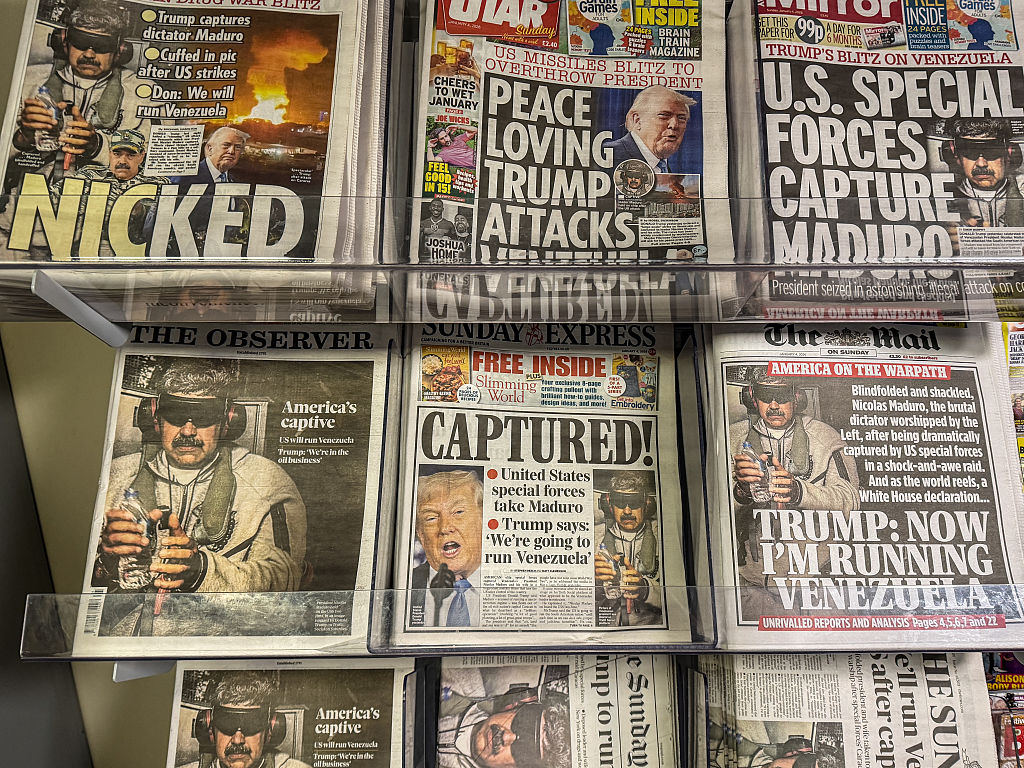
So here we go again with another example of how some politicians are willing to defend a dictator while painting those who act against him as the real villains. Democrat Graham Platner is taking a swim with the ideological fishes, condemning the Trump administration for the well-deserved capture of Nicolás Maduro. Apparently, in Platner’s world, it’s all “gangsterism” when we go after an alleged narco-terrorist who has turned Venezuela into a drug trade hub. Who knew standing up for peace and democracy was this controversial?
What Platner fails to mention is that millions of Venezuelans have fled their homeland due to Maduro’s iron-fisted rule. But why fixate on inconvenient facts when there are political points to score, right? Instead of expressing concern for the victims of the regime’s brutality, he’s rallying the troops in Portland to oppose the U.S. action that, quite frankly, had more moral grounding than his attempts at virtue signaling. His narrative seems to overlook the reality that Maduro is not just a dictator but also a criminal in the eyes of the law.
Platner’s claims of “immoral” actions and “illegal invasions” are as ironic as they are out of touch. Does anyone think it’s “immoral” to take down a guy responsible for sending boatloads of cocaine to our shores? And here we have Platner, an ex-military man himself, scoffing at the very forces who executed a mission that could potentially save lives from a toxic regime. It’s almost like he’s auditioning for a role as a villain in a B-movie about “politics gone wrong.”
In a delightful twist, Platner’s past comes back to haunt him: former self-identification as a “communist” and dodgy tattoos seem to be his badges of honor. If his campaign’s shortsightedness is any indication, Americans should be very wary of switching out seasoned leadership for someone with a flair for drama over substance. All this begs the question: how deep into the nooks and crannies of international law must one go to justify siding with a sanctioned criminal? Perhaps it’ll yield some answers come November when Mainers head to the polls — and let’s hope they pick someone a bit more awake.












