



Maryland lawmakers have set a new course after defying their own governor.
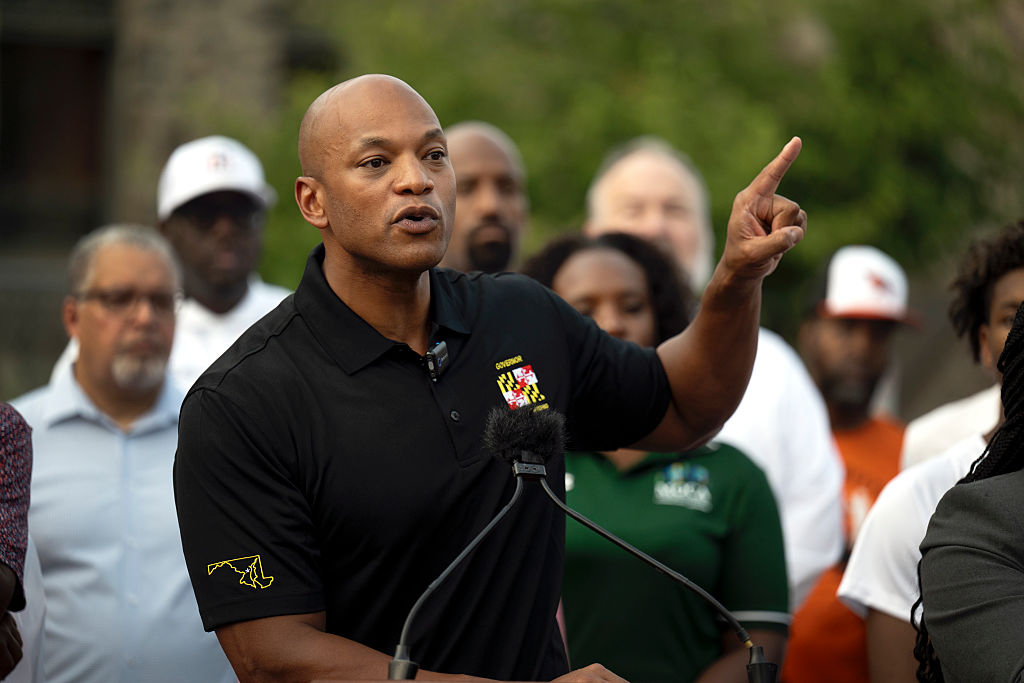
According to Fox News, on Tuesday, the General Assembly overturned Gov. Wes Moore’s veto of Senate Bill 587, allowing the state to move forward with the creation of a commission that will examine potential reparations tied to the history of slavery and racial discrimination in Maryland.
The override passed with solid margins in both chambers — a 31–14 vote in the Senate and a 93–35 vote in the House — clearing the three-fifths threshold required in each.
Moore originally struck down the bill in May, arguing the state had already compiled decades of research on slavery’s legacy and should instead prioritize direct efforts to reduce disparities.
In his veto message to Senate President Bill Ferguson, the governor pointed to previous commissions and state studies addressing racial history, including a review of lynching.
Legislators pushing to revive the measure said the work should continue.
Supporters argued the new commission will play a vital role in determining meaningful state action, while critics warned the process would drain taxpayer dollars, deepen division, and push residents away.
Debate on the House floor reflected the divide.
Del. Matthew Morgan, a Republican from St. Mary’s County, sharply criticized the proposal, accusing Democrats of advancing “race-bait handouts.”
“This bill betrays the original intention, the unifying event of the civil rights movement,” Morgan said. “It’s immoral, and it’s fiscally ruinous to this state, and it sends a message to the generations out there now in Maryland that if you’re concerned about fairness, dignity, opportunity in this state, to flee Maryland.”
Democrat Terri Hill of Howard County countered that the commission is needed to guide Maryland’s next steps.
Hill urged colleagues to support the override, saying lawmakers “still feel it is the right one.”
With the veto reversed, the commission will now begin evaluating a range of possible reparative options, including monetary compensation, debt forgiveness, tuition programs, property tax rebates, child-care support, and formal state apologies.
A preliminary report is due Jan. 1, 2027, followed by a final report on Nov. 1 of that year. The panel will disband in 2028.
The Legislative Black Caucus of Maryland praised the decision, calling the commission a historic milestone.
“This landmark action establishes a rigorous and comprehensive plan for reparations and marks Maryland’s first-ever step toward reparations,” the caucus said in a statement. “At a time of growing attacks on diversity and equity, today’s action reaffirms our shared commitment to truth-telling, accountability, and meaningful progress for Black Marylanders.”












